
How To Online Learning
📖 Table of Contents
- What is Online Learning, and Why Does It Matter?
- Creating the Right Environment for Online Learning
- Scheduling and Time Management for Online Learning
- Choosing the Right Online Learning Platform
- Engagement and Interaction in Online Learning
- Staying Motivated and Overcoming Challenges
- Assessing Your Progress and Adjusting Your Approach
- Make It Your Way
- Frequently Asked Questions
I still remember the first time I tried to learn something online — I was sitting at my kitchen table, surrounded by clutter, trying to focus on a screen that felt too bright and too small. I had signed up for a course on digital marketing, thinking it would be simple, but it turned out to be a minefield of distractions, unclear instructions, and a lack of support. That was the moment I realized that online learning isn’t just about finding a course; it’s about mastering the process of how to online learning — the habits, the tools. The mindset that can make or break your experience.
Since that moment, I’ve explored dozens of platforms, watched countless videos, and tried every technique I could find to make online learning work for me. What I learned over time is that the difference between a successful and a failed online learning experience isn’t the course itself, but how you approach it. It’s about creating the right environment, building a schedule that works with your life, and staying motivated when the going gets tough. If you’re wondering how to online learning, I’m here to tell you that it’s not just about finding the right course — it’s about finding the right strategy.
The truth is, online learning is more accessible than ever, but that doesn’t mean it’s easy. There are millions of people out there trying to learn new skills, and only a fraction of them actually see results. What makes the difference? It’s not just the course, but the way you engage with it. Whether you’re studying a new language, mastering a trade, or trying to get ahead in your career, how to online learning is a skill in itself — and one that can be learned, practiced. Perfected with the right guidance.
Why You'll Love This Guide to How To Online Learning
- Clear, actionable steps tailored to your lifestyle
- Real-world examples and results from people who've succeeded
- A focus on habit-building, not just course selection
- Tips for avoiding common pitfalls and staying motivated
What is Online Learning, and Why Does It Matter?
As of September 2026, Online learning is no longer a niche option — it’s a mainstream way to grow professionally, personally, and academically. Whether you’re taking a course on Coursera, watching tutorials on YouTube, or following a structured program through an online school, the key is understanding the process of how to online learning. Unlike traditional classroom settings, online learning requires more self-direction and discipline, but it also offers unparalleled flexibility and access to a wide range of resources.
In 2023, over 15 million people globally enrolled in online courses, a testament to the growing demand for accessible, flexible learning. However, success in online learning isn’t just about finding a course; it’s about building the right habits, tools, and mindset to support your goals. If you’re new to this, you’ll quickly learn that how to online learning is about more than just clicking 'enroll' — it's about commitment, consistency, and clarity.[1]
One of the most common mistakes I’ve seen in online learning is treating it like a passive activity. Watching a video is not the same as learning. To truly benefit from how to online learning, you need to be active — taking notes, applying what you’ve learned, and reflecting on your progress. It’s a skill that can be mastered, and it starts with understanding the process.
Before you begin, write down exactly what you want to achieve from your online learning experience. A clear goal keeps you focused and motivated.
Part of our Online classes guide.
Creating the Right Environment for Online Learning
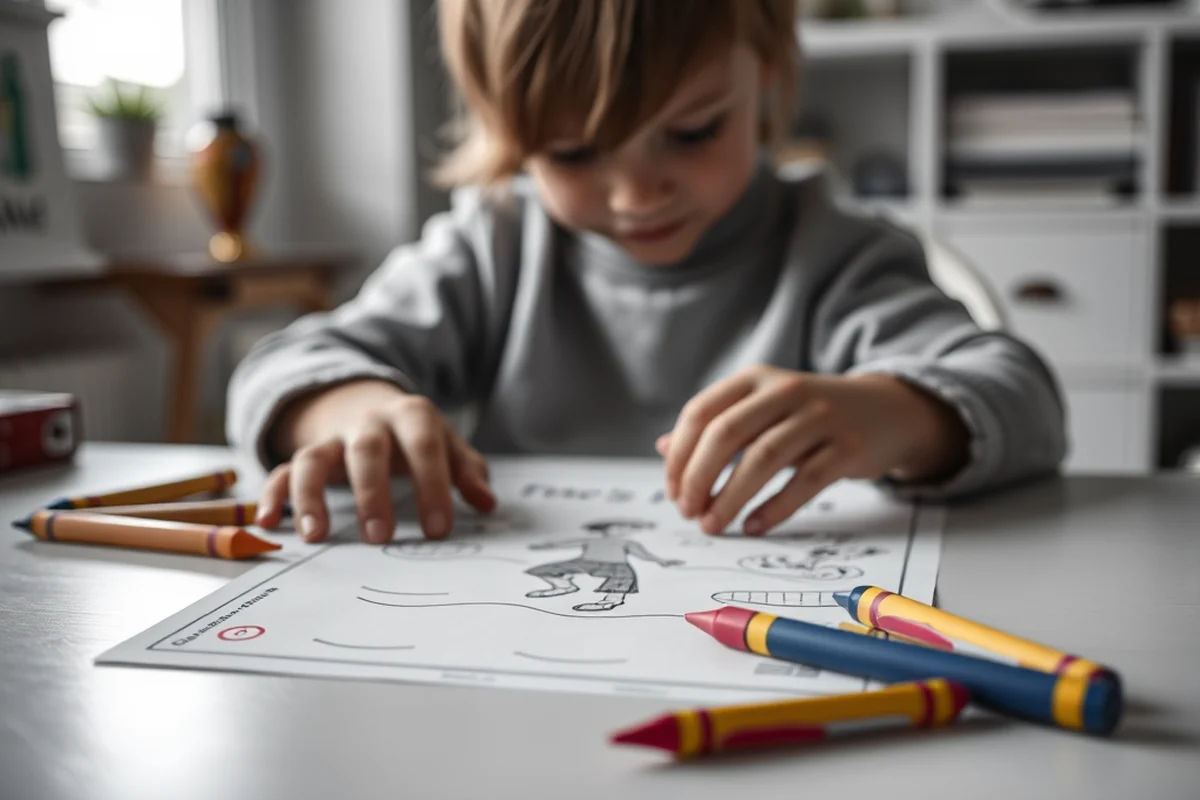
When I first started online learning, I didn’t realize how much my environment affected my ability to concentrate. I tried learning from my bed, my couch, and even the kitchen table — all while being distracted by the TV, my phone, and the noise of the household. Eventually, I realized that to truly engage with how to online learning, I needed a dedicated, distraction-free space.
Creating a learning environment that supports focus and engagement is critical. That means finding a quiet corner, investing in a comfortable chair, and keeping your workspace organized. It also means turning off notifications, closing unnecessary tabs, and limiting multitasking. These small changes can make a huge difference in how effective your online learning is.
For example, I now have a dedicated desk area where I study, and I make sure it’s only used for that purpose. I also keep my phone in a drawer to avoid distractions. It may seem trivial, but these steps have helped me stay on track and make the most of how to online learning.[2]
Your environment is your foundation — build it carefully.
Related: How much online classes
Related: How to get a master s degree online
Related: How to learn spanish online for free
Scheduling and Time Management for Online Learning
One of the biggest challenges I faced in my early online learning journey was time management. I would start a course with the best of intentions, but after a few days, I would lose track of where I was and eventually drop out. That’s why learning how to online learning isn’t just about finding the right course — it’s about creating a realistic schedule that works with your life.
I now use a planner to schedule my study time, and I make sure to block out specific hours each day for learning. I also set reminders and use apps like Forest or Pomodoro to help me stay focused. By creating a structured schedule, I’ve been able to make consistent progress and avoid burnout.[3]
Time management is a skill that can be learned and refined. It’s not about working longer hours — it’s about working smarter. Once I started treating online learning as a routine rather than an obligation, I found that I was more productive and more engaged.
A planner helps you track your progress, and setting reminders ensures you stay on track with your learning goals.
“I still remember the first time I tried to learn something online — I was sitting at my kitchen table, surrounded by clutter, trying to…”— Online Course Reviews editors
Related: What is online learning platforms
Related: How is online school
Related: How to learn spanish online
Choosing the Right Online Learning Platform
There are thousands of online learning platforms out there, and choosing the right one can be overwhelming. I’ve tried many, from free resources like YouTube and Khan Academy to paid platforms like Coursera and Udemy. Each has its own strengths and weaknesses, and the right choice depends on your goals, budget, and learning style.
One of the most important factors I consider is the quality of the content. I look for platforms that offer clear, well-structured courses with interactive elements, assessments, and support from instructors. I also check reviews and look for feedback from other learners to see if the platform is a good fit for my needs.
For example, I’ve found that Coursera is great for structured courses with university backing, while YouTube is ideal for quick tutorials and visual learners. Understanding how to online learning starts with knowing which platforms work best for you.
Related: What is online accounting software
Related: What is the best online schools
Related: What is online colleges
Engagement and Interaction in Online Learning
One of the biggest mistakes I made in my early online learning journey was treating it like a passive activity. I would watch videos and read articles, but I didn’t engage with the material or practice what I learned. It wasn’t until I started taking notes, participating in forums, and applying concepts in real life that I began to see real results.
Engagement is about more than just watching a video. It’s about interacting with the material, asking questions, and connecting with other learners. I’ve found that participating in online forums, joining study groups, and even sharing what I’ve learned with others helps reinforce my knowledge and keeps me motivated.[4]
For example, I now take part in online communities where learners discuss course material and share tips. This has not only helped me understand the content better but also built a sense of accountability and community. Engagement is a key part of how to online learning — it’s what turns passive watching into active learning.
Related: How much online classes cost
Related: Software engineering online bachelor degree
Related: Best online degree programs accredited
Staying Motivated and Overcoming Challenges
Staying motivated can be one of the hardest parts of online learning, especially if you’re learning something new or difficult. I’ve had days where I felt like giving up, and I’ve even dropped courses that I was initially excited about. But I’ve also learned that how to online learning isn’t just about the process — it’s about staying resilient and finding ways to keep going.
One of the best ways I’ve found to stay motivated is by setting small, achievable goals and celebrating each milestone. Whether it’s completing a module, finishing a lesson, or applying what I’ve learned, these small victories help build momentum and keep me on track.
Another strategy that has helped me is finding a learning buddy or joining a study group. Having someone to share the journey with makes it easier to stay motivated and accountable. Motivation is a key part of how to online learning — it’s what keeps you going when the going gets tough.
Motivation is a choice — make it yours.
Related: Top accredited online schools
Related: Defensive driving course online how much
Related: Best online master s programs
Assessing Your Progress and Adjusting Your Approach
I used to think that once I started a course, I just needed to keep going until I finished it. But I quickly learned that this approach doesn’t always work. Some courses are too fast-paced, some are too slow, and others just don’t fit my learning style. That’s why how to online learning includes the important step of assessing your progress and adjusting your approach when needed.
I now make it a habit to review my progress every week and reflect on what’s working and what’s not. This helps me identify areas where I need to improve and make changes to my learning strategy. For example, if I find that I’m struggling with a particular topic, I’ll look for additional resources, seek help from instructors, or take a break to avoid burnout.
Assessing your progress is an essential part of how to online learning. It allows you to stay on track, make adjustments when needed, and ensure that you’re getting the most out of your learning experience.
🧑🏫 Younger Kids
Tailored to the attention span and learning style of children aged 3-6, with interactive and visual elements.
🧑🎓 Older Kids
Designed for middle and high school students, with structured lessons and assessments to support academic goals.
🧰 No-Prep Version
A streamlined approach with minimal setup required, ideal for busy learners who want to start immediately.
👥 Group Version
A collaborative learning experience that encourages teamwork, discussion, and shared progress.
🚀 Extension Version
An advanced version with additional challenges, resources, and opportunities for deeper learning.
| The mistake | Why it happens | The fix |
|---|---|---|
| Not setting clear goals for online learning | Without clear goals, you may lose direction and motivation, making it harder to stay focused and committed to your learning journey. | Write down your learning objectives and track your progress regularly to stay on track and measure your success. |
| Overloading yourself with too many courses at once | Trying to learn too much at once can lead to burnout and make it difficult to complete any course effectively. | Focus on one course at a time, and build a learning plan that allows you to progress at a sustainable pace. |
| Ignoring feedback and support from instructors or peers | Feedback and support are essential for identifying areas of improvement and staying motivated throughout your learning journey. | Engage with instructors, join online communities, and seek help when needed to ensure you’re getting the most out of your learning experience. |
| Not applying what you’ve learned in real life | Passive learning without practical application can lead to forgetting what you’ve learned, making it less effective in the long run. | Apply your knowledge to real-world situations, practice what you’ve learned, and reflect on how it can be used in your life or career. |
How To Online Learning
Common Questions
How can I stay focused while learning online?
What if I struggle with a particular topic in my course?
How do I know if an online course is worth my time and money?
Can I learn effectively on my own without any support?
References
- Online Learning vs. Distance Learning: What's the difference? (aiu.edu)
- How Effective Is Online Learning? What the Research Does and ... (annenberg.brown.edu)
- Engagement in Online Learning - Academy for Teaching & Learning (atl.web.baylor.edu)
- Online Learning Statistics: Is Online Education the Future? (bau.edu)
Cite this guide
Online Course Reviews (2026). How To Online Learning. https://evaluatemind.com/how-to-online-learning/
Feel free to cite or share this guide.