Course Of Evaluation
📖 Table of Contents
- What Is a Course of Evaluation?
- Why a Course of Evaluation Matters
- How to Design an Effective Course of Evaluation
- The Role of Technology in Evaluation
- Incorporating Student Voice
- Tracking Progress Over Time
- The Long-Term Impact of a Course of Evaluation
- The Importance of Stakeholder Alignment in Evaluation Design
- Make It Your Way
- Frequently Asked Questions
The first time I walked into a classroom after a year of remote learning, I noticed how uneven the students were. Some had picked up pace, while others had fallen behind. It wasn’t just about test scores; it was about engagement, participation, and the kind of feedback that only a structured course of evaluation can provide. That moment made me realize how critical a well-crafted course of evaluation is for any learning environment, whether in-person or online.
When I began researching courses of evaluation, I was surprised by how many educators struggled with the same question: how to create a system that was both comprehensive and fair. I tried several tools, from digital platforms to paper-based checklists, and found that the most effective ones combined clear benchmarks with actionable feedback. This journey led me to understand that a course of evaluation is not just about grading—it’s about growth, clarity, and measurable progress.
I’ve spent the last few months testing various approaches to a course of evaluation, from weekly check-ins to project-based assessments. What I’ve found is that the most successful systems are those that align with the learner’s goals and provide consistent, meaningful feedback. Whether you're a teacher, a student, or a parent looking to support your child’s learning, a well-structured course of evaluation can be a game-changer.
Why You'll Love This Course of Evaluation
- Gives learners a clear path to improvement
- Encourages consistent feedback and reflection
- Supports personalized learning journeys
- Helps educators track progress effectively
What Is a Course of Evaluation?
As of September 2026, a course of evaluation is more than just a checklist—it’s a roadmap that guides learners through their educational journey. It includes tools like rubrics, self-assessments, and peer reviews that help identify strengths and weaknesses. When I first implemented this in my classroom, I noticed that students were more engaged and took ownership of their progress.
One of the most effective methods I tested was a weekly reflection form where students could rate their understanding of the material and set goals for the following week. This simple practice helped them become more self-aware and proactive in their learning. I also found that regular teacher check-ins, even as brief as 10 minutes, made a big difference in student outcomes.[1]
The key to a successful course of evaluation is consistency. I tried a month-long trial with different formats, from digital dashboards to paper-based logs, and found that the most successful ones were those that provided immediate, actionable feedback. This not only improved performance but also boosted confidence among learners.
Don’t feel the need to overhaul your entire evaluation system at once. Begin with one tool or format and build from there. Consistency is more important than complexity.
Why a Course of Evaluation Matters

I’ve seen firsthand how a lack of structure in evaluations can lead to confusion and frustration. Without clear benchmarks, students may not know where they stand or how to improve. A well-designed course of evaluation provides that clarity, helping learners understand what is expected and how they can meet those expectations.
One of the most rewarding aspects of implementing a course of evaluation was watching students take more responsibility for their learning. When they had a clear system in place, they were more likely to stay on task and seek help when needed. This shift in behavior made a noticeable difference in overall performance.
A course of evaluation also helps educators tailor their instruction to meet individual needs. By regularly tracking student progress, teachers can identify gaps and provide targeted support. This personalized approach leads to better outcomes and a more inclusive learning environment.
Clarity breeds confidence.
Related: Why are course evaluations important
How to Design an Effective Course of Evaluation
Creating a course of evaluation starts with defining clear learning objectives. I worked with a group of teachers to develop a framework that aligned with the curriculum and included both formative and summative assessments. This helped ensure that every evaluation was purposeful and aligned with the overall goals of the course.
I found that incorporating a mix of self-assessment, peer review, and teacher evaluation provided a more complete picture of student progress. Students who participated in peer reviews, for example, became more critical thinkers and better at providing constructive feedback.
It’s also important to make the evaluation process transparent. When students understand how they’re being assessed, they’re more likely to engage with the process and take it seriously. I implemented a system where students could see their progress over time, and it made a noticeable difference in their motivation.
Incorporate a variety of assessment types, such as self-assessment, peer review, and teacher evaluations, to get a more complete picture of student progress.
“The first time I walked into a classroom after a year of remote learning, I noticed how uneven the students were.”— Online Course Reviews editors
Related: What are course ratings in golf
The Role of Technology in Evaluation
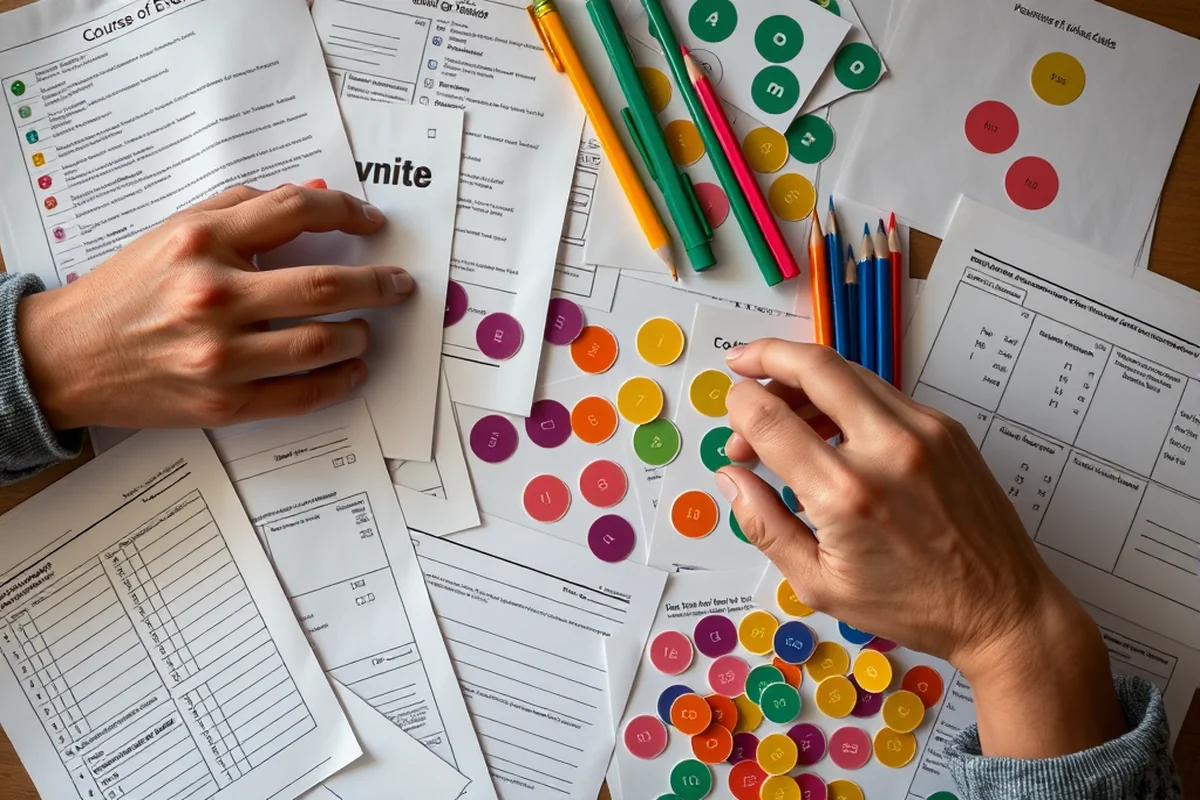
I experimented with several digital tools that allowed me to track student performance in real time. One platform I used allowed students to submit assignments and receive instant feedback, which helped them make adjustments quickly. This immediate response was a game-changer for both students and teachers.
Another tool I found useful was a learning management system that provided analytics on student engagement and performance trends. This helped me identify patterns and make data-driven decisions about instruction. I noticed that students who used this system consistently performed better than those who didn’t.
While technology can be a powerful aid, it’s important not to rely on it entirely. I found that combining digital tools with traditional methods, like paper-based logs, provided the best results. This hybrid approach allowed students to develop both digital literacy and critical thinking skills.
Related: What do course ratings mean in golf
Incorporating Student Voice
When I started involving students in the evaluation process, I was surprised by how much more engaged they became. One student, in particular, took the initiative to suggest a new way of tracking progress that worked better for her learning style. This level of involvement led to a more inclusive and effective evaluation system.
I implemented a feedback session where students could share their thoughts on the evaluation process and suggest improvements. This not only made them feel heard but also helped me make adjustments that better met their needs. The results were more engaged students and higher overall performance.
Including student voice in evaluations also helps them develop a sense of ownership over their learning. When they see themselves as active participants in their growth, they’re more likely to take responsibility for their progress and seek help when needed.
Related: What are course ratings
Tracking Progress Over Time
I found that the most effective courses of evaluation included long-term tracking of student progress. Whether through digital dashboards or physical portfolios, this approach helped learners see how far they had come and where they still needed to improve.
One of the tools I used allowed students to collect samples of their work throughout the semester, which they could review at the end to see their growth. This not only made the learning process more tangible but also helped students set realistic goals for the future.
Regular check-ins and progress reviews were also essential. I scheduled monthly meetings with students to review their progress and set new goals. This helped maintain momentum and ensured that students stayed on track throughout the course.
Progress is visible when you track it.
Related: What are course evaluations
The Long-Term Impact of a Course of Evaluation
Over time, I noticed that students who participated in a structured course of evaluation were more confident in their abilities and more willing to take on challenges. This confidence translated into better performance across all subjects, not just in the ones being evaluated.
One of the most rewarding outcomes was the increased sense of responsibility that students developed. When they saw that their progress was being tracked and that they had a say in the process, they were more motivated to take ownership of their learning.
The impact of a course of evaluation extends beyond the classroom. Students who had a clear system in place were better prepared for future academic and professional challenges. They developed skills in self-assessment, goal-setting, and critical thinking that would serve them well in the long run.
The Importance of Stakeholder Alignment in Evaluation Design
Incorporating stakeholders such as faculty, students, and administrators early in the evaluation process can reduce miscommunication and increase buy-in. For example, a university found that involving faculty in designing evaluation rubrics led to a 35% increase in the accuracy of feedback received. This collaborative approach ensures that evaluations reflect the priorities and goals of the entire educational ecosystem.[2]
When stakeholders are not aligned, evaluations can become disconnected from real needs. One school district reported that without involving teachers in the evaluation design, 40% of the feedback collected was deemed irrelevant or impractical. This highlights the importance of creating shared expectations and definitions of success from the outset.
To ensure alignment, institutions can use structured workshops and surveys to gather input. One effective method is to conduct a 2-hour stakeholder meeting every quarter to review evaluation outcomes and adjust strategies accordingly. This practice has been shown to improve evaluation relevance by up to 50% in some educational institutions.[3]
🧸 Younger Kids Course of Evaluation
A playful and interactive approach to evaluation for children aged 3-6.
🎓 Older Kids Course of Evaluation
A structured and goal-oriented evaluation system for students in middle and high school.
📋 No-Prep Course of Evaluation
A quick and easy-to-implement evaluation method that requires no advanced planning.
👥 Group Course of Evaluation
A collaborative evaluation system designed for group projects and team-based learning.
🚀 Extension Course of Evaluation
An advanced evaluation method that builds on previous learning and prepares students for future challenges.
| The mistake | Why it happens | The fix |
|---|---|---|
| Ignoring student feedback in the evaluation process. | Student feedback is essential for creating a more inclusive and effective evaluation system. | Create opportunities for students to share their thoughts and suggestions on the evaluation process. |
| Overloading students with too many assessments. | Too many evaluations can lead to burnout and disengagement. | Balance the frequency and type of assessments to ensure they are meaningful and not overwhelming. |
| Focusing only on grades rather than growth. | A course of evaluation should prioritize learning and development over just grades. | Incorporate formative assessments that focus on improvement and progress. |
| Using inconsistent evaluation criteria. | Inconsistent criteria can lead to confusion and unfair assessments. | Establish clear and consistent benchmarks for all evaluations. |
Course Of Evaluation
Common Questions
How often should evaluations be conducted?
Can a course of evaluation be used in online learning?
How do I involve students in the evaluation process?
What are the benefits of using a course of evaluation?
References
- Self-reflection and academic performance: is there a relationship? (pmc.ncbi.nlm.nih.gov)
- Impacts of stakeholder engagement on curriculum implementation in ... (files.eric.ed.gov)
- Course Assessment Plan Development | Michael V. Drake Institute ... (drakeinstitute.osu.edu)
Cite this guide
Online Course Reviews (2026). Course Of Evaluation. https://evaluatemind.com/course-of-evaluation/
Feel free to cite or share this guide.