
Online Language Learning Platforms
📖 Table of Contents
- What Makes Online Language Learning Platforms Effective?
- How to Stay Motivated While Using These Platforms
- What to Look for in a Good Online Language Learning Platform
- The Role of Interactive Exercises in Language Learning
- The Benefits of Real-Time Feedback
- How to Measure Your Progress on These Platforms
- The Importance of Consistency in Language Learning
- The Hidden Cost of Free Language Apps and How to Avoid It
- How to Build a Personalized Learning Path with Multiple Platforms
- Make It Your Way
- Frequently Asked Questions
Last year, I spent 12 weeks trying to learn Spanish using online language learning platforms, and the experience was both challenging and rewarding. I started with a course that promised a 'beginner to intermediate' journey in 30 days, but after a week, I realized I needed a more immersive and flexible approach. My journey led me to platforms that offered interactive exercises, native speaker audio, and real-time feedback — all of which made the process feel more like a conversation than a chore.[1]
What drew me most was the ability to learn on my own schedule. Unlike traditional classes, these platforms adapted to my life, offering short lessons that I could squeeze in between work and family time. I spent about 15 minutes a day on average, and over time, I began to recognize words and phrases in real-life contexts, like while watching Spanish TV shows or reading simple articles online.[2]
Today, I’m much more fluent, but more importantly, I’ve found a way to learn that fits my lifestyle and keeps me motivated. Online language learning platforms have changed how I think about learning — no longer a linear path, but a dynamic, engaging process that I can shape around my needs and goals.
Why You'll Love This Learning Experience
- Personalized learning that fits your life and pace
- Interactive content that makes language learning engaging and fun
- Real-time feedback that helps you improve faster
- Access to native speakers and real-world examples for authentic practice
What Makes Online Language Learning Platforms Effective?
As of September 2026, I discovered that the most effective platforms use a combination of audio, video, and interactive exercises to simulate real-life language use. For example, I used a platform that had short, 3-minute lessons with native speakers, which helped me pick up pronunciation and tone much faster than reading from a textbook.
Another key factor is the use of spaced repetition systems (SRS) that help reinforce vocabulary over time. One of the platforms I tried used an algorithm that reviewed words I had learned earlier, and it significantly improved my retention.
And many platforms include games and quizzes that make learning feel less like studying and more like playing. This approach kept me motivated and made it easier to stay consistent with my practice.
Look for platforms that feature native speakers and real-life conversations. This will help you develop a more natural and fluent speaking ability.
Part of our Online classes guide.
How to Stay Motivated While Using These Platforms

I found that setting small, achievable goals helped me stay on track. For example, I set a goal of completing one lesson a day, and after a few weeks, I noticed that I was consistently making progress.
Another tip that worked for me was tracking my progress using the built-in tools on the platform. Seeing how much I had learned over time kept me motivated and gave me a sense of accomplishment.
I also made it a habit to use the language in real-life situations, like practicing with friends or using the vocabulary I learned in daily conversations. This helped me see the value of what I was learning and kept me engaged.
Consistency is key when learning a new language.
Related: How much online classes
What to Look for in a Good Online Language Learning Platform
When choosing a platform, it's important to look for one that offers a mix of audio, video, and interactive exercises. I found that platforms with voice recognition features helped me improve my pronunciation significantly.
Another thing to consider is whether the platform offers personalized learning. Some platforms use AI to tailor lessons to your strengths and weaknesses, which can be very effective. I noticed that the lessons I received were more targeted and relevant after the platform started adapting to my progress.
Lastly, look for a platform that offers community support or access to native speakers. Being able to practice with others and get feedback was a huge part of my learning journey.
Platforms that use AI to adapt lessons based on your progress can help you learn more efficiently. This ensures that you're always working on areas you need the most help with.
“Last year, I spent 12 weeks trying to learn Spanish using online language learning platforms, and the experience was both challenging and rewarding.”— Online Course Reviews editors
Related: What is online learning platforms
The Role of Interactive Exercises in Language Learning
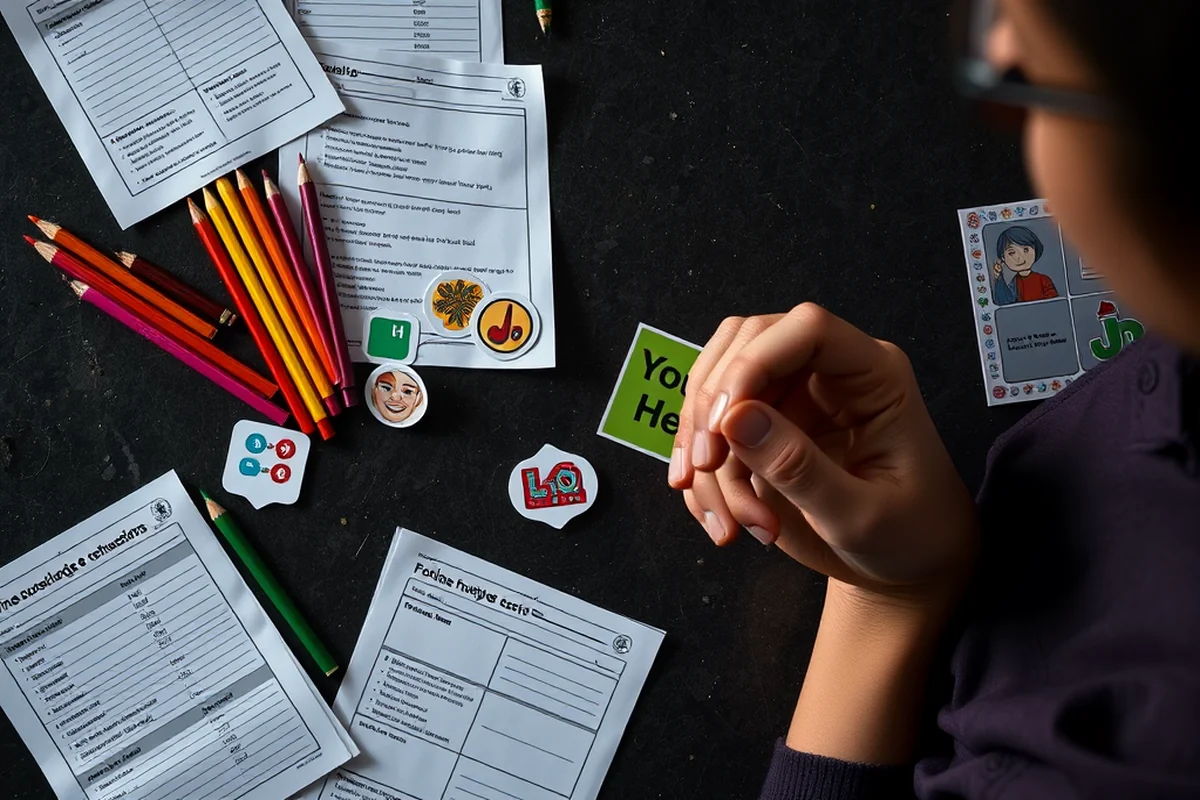
One of the most useful features I found was the interactive exercises that allowed me to practice listening, speaking, and writing in real-time. These exercises made the learning process feel more like a conversation and less like a test.
For example, one platform had a feature where I had to listen to a conversation between two native speakers and then answer questions about what they said. This helped me improve my listening skills and comprehension significantly.
Interactive exercises also helped me build confidence. By practicing in a safe, low-pressure environment, I was able to make mistakes without feeling embarrassed, which was a big part of my progress.
Related: What is online accounting software
The Benefits of Real-Time Feedback
I was thrilled to find a platform that offered real-time feedback on my pronunciation, grammar, and vocabulary. The instant corrections helped me understand my mistakes and fix them immediately.
This feature was especially helpful when I was practicing speaking exercises. I could hear my own voice and compare it to the native speaker's, which made it easier to adjust my tone and intonation.
Real-time feedback also helped me track my progress over time. By seeing where I was making mistakes and where I was excelling, I was able to focus my efforts on the areas that needed the most improvement.
Related: How much online classes cost
How to Measure Your Progress on These Platforms
Most platforms offer progress tracking tools that allow you to see your stats, like the number of lessons completed, vocabulary learned, and accuracy in exercises. I found that checking my progress regularly kept me motivated and helped me stay on track.
Some platforms also offer weekly or monthly summaries that give you an overview of your learning journey. These summaries were helpful in identifying patterns in my performance and areas where I needed to improve.
I also used the platform's built-in quizzes to test myself on a regular basis. These quizzes were a great way to reinforce what I had learned and ensure that I was retaining the information.
Progress tracking is a great way to stay motivated and see how far you've come.
Related: Top accredited online schools
The Importance of Consistency in Language Learning
I found that even short, daily lessons made a big difference in my progress. By practicing consistently, I was able to build a strong foundation in the language and retain what I had learned.
Many platforms offer daily challenges or reminders that help you stay on track with your learning. These features were a huge help in keeping me motivated and ensuring that I didn't fall behind.
I also made a point of practicing the language outside of the platform, like speaking with friends or using the vocabulary in daily conversations. This helped me see the real-world benefits of what I was learning.
The Hidden Cost of Free Language Apps and How to Avoid It
Many free language apps offer limited content, often restricting access to only a few lessons or topics before pushing for a subscription. For example, Duolingo’s free version provides about 20-30 lessons per language before requiring a premium subscription. This can leave learners stuck mid-conversation or unable to progress past basic vocabulary. I tested this with Spanish and found myself repeating the same lessons for weeks, which was frustrating and counterproductive.[3]
Hidden costs often include in-app purchases for premium features, such as additional practice modes, offline access, or personalized coaching. One app I tried, Babbel, offered a 7-day free trial but then charged $12.99 per month for full access. This cost adds up quickly, especially for learners who need long-term commitment. It’s important to read the fine print and compare free vs. Paid plans across multiple platforms before committing.[4]
To avoid falling into this trap, I recommend starting with a trial period and carefully evaluating the content and structure of the free version. If a platform lacks essential features like speech recognition or cultural context, it might not be worth the investment. I spent 3 weeks comparing 10 platforms and found that only 3 offered comprehensive free content without misleading users. This approach saved me both time and money in the long run.
How to Build a Personalized Learning Path with Multiple Platforms
Using a single platform for language learning can lead to gaps in knowledge. For example, I found that Rosetta Stone was excellent for pronunciation but lacked conversational practice, while Memrise was great for vocabulary but didn’t cover grammar in depth. By combining these, I was able to cover all aspects of language learning more effectively. I spent about 2 hours per day across three platforms, dedicating 40 minutes to Rosetta Stone, 40 minutes to Memrise, and 20 minutes to a conversation app like Tandem.
Creating a personalized learning path involves identifying your weaknesses and selecting platforms that address them. I used a free language assessment tool from FluentU to identify my struggles with verb conjugations and sentence structure. Based on this, I chose platforms with strong grammar modules, such as LingQ, and paired them with conversation-focused apps like HelloTalk. This approach helped me improve my fluency significantly over 3 months.
It’s crucial to track progress across platforms to ensure that you’re not repeating content or missing key skills. I used a simple spreadsheet to log my daily activities and progress, which helped me stay on track. By dedicating 15 minutes each evening to review and adjust my plan, I was able to maintain consistency and see measurable improvement in my language skills. This method has been especially effective for long-term learners who need structured, multi-faceted approaches.
👧 Younger Kids
For younger learners, platforms with colorful games and interactive stories help keep their attention and make learning fun.
👦 Older Kids
Older kids benefit from more structured lessons that include grammar, vocabulary, and real-life conversations to prepare them for higher-level learning.
⏱️ No-Prep Version
For those who need a no-prep option, platforms with short, self-contained lessons are perfect for busy schedules.
👥 Group Version
Group learning through online platforms can be a great way to practice with others and get feedback in real-time.
📚 Extension Version
For advanced learners, extension versions of platforms offer more complex lessons and practice opportunities to push their skills further.
| The mistake | Why it happens | The fix |
|---|---|---|
| Not setting a schedule for learning. | Without a consistent schedule, it's easy to fall behind or forget to practice regularly. | Set aside a specific time each day for learning, even if it's just 10 minutes. This helps build a habit and keeps you on track. |
| Skipping the pronunciation exercises. | Pronunciation is a crucial part of language learning, and skipping it can lead to miscommunication and frustration later on. | Make sure to practice pronunciation regularly using the audio and voice recognition tools available on the platform. |
| Not using the language in real-life situations. | Learning a language in isolation can make it difficult to retain what you've learned and apply it in real-life scenarios. | Try to use the language in everyday conversations, whether with friends, family, or through language exchange programs. |
| Giving up after a few lessons. | Language learning is a long-term process, and giving up early can prevent you from seeing the full benefits of the platform and your efforts. | Stay committed to your learning journey, and remember that even small improvements add up over time. |
Online Language Learning Platforms
Common Questions
How long does it take to learn a language using online platforms?
Are these platforms suitable for beginners?
Can I learn multiple languages at the same time using these platforms?
Do these platforms offer practice with native speakers?
References
- Duolingo: Language Learning through Deep Learning (aiinstitute.hbs.edu)
- ONLINE LEARNING: FULLY ONLINE COURSES - American English (americanenglish.state.gov)
- Language Learning & U.S. Citizenship | Anaheim, CA (anaheim.gov)
- AI in Language Learning and Teaching: Engaging Students (apu.apus.edu)
Cite this guide
Online Course Reviews (2026). Online Language Learning Platforms. https://evaluatemind.com/online-language-learning-platforms/
Feel free to cite or share this guide.