How To Review Course
📖 Table of Contents
I used to scroll through course listings for hours, only to feel more confused than before. It wasn’t until I actually reviewed a few courses — not just skimming descriptions, but really digging in — that things started to make sense. Reviewing a course is like reading a map before a trip: it tells you if the path is worth walking. I learned the hard way that most course reviews online are vague, generic, and not helpful. So I started writing my own, and now I help others do the same.
The first time I sat down to review a course, I didn’t know where to start. It wasn’t just about the content, but the structure, the pacing, the support, and the value it actually delivered. That’s where the real work begins — not just learning, but critically evaluating what you learned and how it was taught. I remember one course that promised a six-week transformation, but in reality, the lessons were sparse and the support was nonexistent. I felt like I was being sold a dream and handed a broom.
Now, I have a system that I use every time I want to review a course. It’s not about being harsh or overly critical, but about being fair, honest, and focused on the student’s experience. I think the most important part of reviewing a course is knowing what the student wants to get out of it. That’s why I always start by asking myself: What does this course help me with? And more importantly, does it actually do it?
Why You'll Love This Approach to Reviewing Courses
- Gain clarity on what a course actually offers
- Identify red flags before you commit
- Make informed decisions about your learning path
- Save time and money by avoiding poor choices
Start with Your Goals
As of August 2026, one of the biggest mistakes I made early on was trying to review a course without knowing exactly what I wanted to achieve. It’s like going to a library without a purpose — you’ll end up with a pile of books you’ll never read. The key is to ask yourself: What skills do I want to gain? What problems do I want to solve? The more specific you are, the easier it is to judge if a course is right for you.[1]
For example, if you’re looking to improve your public speaking, a course that only covers writing and grammar might not be the best fit. I once enrolled in a course that promised to improve my public speaking, but the majority of it was about slide design. It was a complete mismatch, and I felt like I was being led in the wrong direction.
So, before you even look at a course, write down your goals. Be specific. This will help you stay focused and make sure you’re not wasting your time on something that doesn’t align with what you really want.
Take 10 minutes to write out your learning goals. This will help you stay focused and make better decisions as you review courses.[2]
Look Beyond the Description
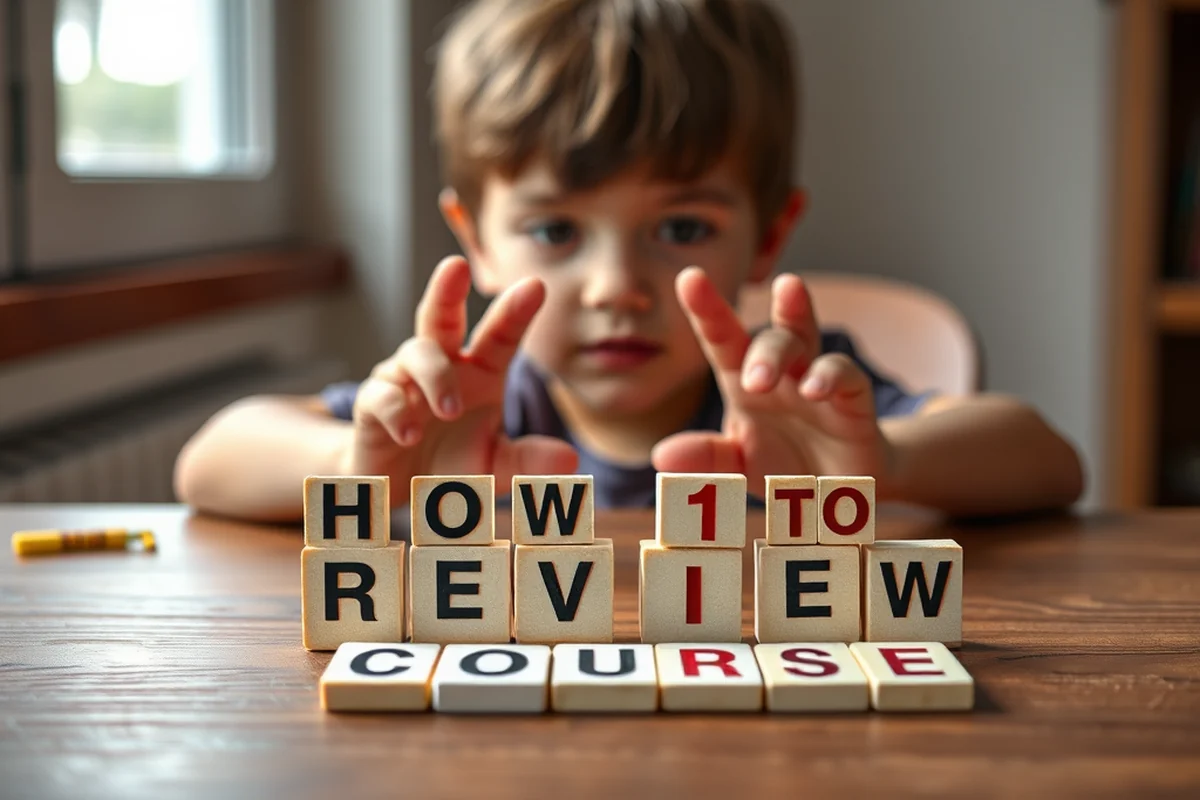
Course descriptions can be very persuasive, but they don’t always tell the whole story. I once took a course that promised to help me master Python in just one month. The description was full of buzzwords and testimonials. When I actually started the course, the lessons were short, the support was minimal, and the instructor didn’t seem to have any real experience in the field.
To avoid being misled, I now look for details like the number of lessons, the length of each lesson, and the format of the content. If a course has 10 hours of content spread over 30 lessons, that’s 20 minutes per lesson. That’s not a lot of time, and it might not be enough to truly master the material.[3]
I’ve also started checking the course outline. A good course will have a clear structure, with a logical flow of topics. If the outline is vague or jumps around, that’s a red flag. A well-structured course will help you stay on track and make progress.
Descriptions are persuasive, but they don’t always tell the whole story.
Related: Online course booking
Related: Online excel course reviews
Related: Online course hub
Related: Online course host reviews
Related: Mcphs online course reviews
Related: What Is Drivers Ed Course
Evaluate the Instructor’s Credentials
I used to assume that a course with a high rating and a lot of students must be good. But I quickly learned that’s not always the case. There are many instructors who have never taught before, but they have a strong social media presence and can attract a large audience.
Now, I always check the instructor’s credentials. Do they have experience in the field? Are they a subject matter expert? Have they published any work or taught in a formal setting? I’ve found that instructors with real-world experience tend to provide more practical and valuable content.[4]
I once enrolled in a course taught by someone who had no formal training in the subject. The lessons were basic, and the support was almost nonexistent. It was a frustrating experience, and I felt like I was wasting both my time and money.
Look for instructors with real-world experience, certifications, and a track record of teaching. This can help you make a better decision about the course.
“I used to scroll through course listings for hours, only to feel more confused than before.”— Online Course Reviews editors
Assess the Quality of the Content

The quality of the content can make or break a course. I’ve taken courses where the lessons were poorly structured, the videos were blurry, and the audio was hard to hear. It was a frustrating experience, and I felt like I wasn’t getting the best possible education.
Now, I always check the content quality before enrolling. I look for clear, well-produced videos, accurate information, and a logical flow of lessons. If the content is disorganized or the production quality is low, that can be a major turnoff.
I’ve found that courses with high-quality content are more engaging and effective. They help you stay focused and make progress. If a course has poor production quality, it can be a real distraction and make it harder to learn.
Consider the Support and Community
One of the biggest surprises I had was how much support can impact your learning experience. I once took a course that had a strong community and active instructor, and I felt like I was part of something bigger. That made a huge difference in my motivation and progress.
Now, I always check if a course offers support. Do they have a forum or a Q&A section? Is the instructor available for questions? A good course should have a supportive community and an instructor who is willing to help.
I’ve also found that being part of a community can be incredibly motivating. You can learn from others, get feedback on your work, and stay on track with your goals. It’s a powerful way to stay engaged and make progress.
Check for Reviews and Testimonials
I used to rely on the course description and instructor credentials, but I quickly learned that real reviews from other students are just as important. They give you a more accurate picture of what the course is actually like.
Now, I always look for reviews and testimonials. Are the reviews positive and detailed? Do they mention things like the quality of the content, the support, and the overall experience? I’ve found that detailed reviews can help you make a more informed decision.
I’ve also learned to be cautious of fake reviews. Some courses have a lot of positive reviews, but they might be generated by the instructor or a third party. It’s important to read a variety of reviews and look for patterns.
Real reviews can be the difference between a great course and a bad one.
Think About the Price and Value
I used to assume that a more expensive course must be better, but I’ve learned that’s not always the case. Some courses are overpriced for what they offer, while others provide excellent value for the price.
Now, I always consider the price and value of a course. What do you get for the money? Is the content worth the cost? Does the course offer support and community? These are all important factors to consider.
I’ve found that a course with a lower price can be just as valuable as one with a higher price. It’s all about what you get for your money. If a course is expensive but doesn’t provide much in the way of content or support, it might not be worth the investment.
🎯 Goal-Based Review
Tailor your review to the specific skills or knowledge you want to gain.
👨🏫 Instructor-Centric Review
Focus on the instructor's credentials, experience, and teaching style.
⚡ No-Prep Review
Quickly assess a course without needing to invest a lot of time upfront.
👥 Community-Focused Review
Evaluate the support and community aspects of a course.
💰 Price-Value Analysis
Assess whether the course is worth the investment based on its content and support.
| The mistake | Why it happens | The fix |
|---|---|---|
| Ignoring the course outline | The outline tells you what you'll be learning and how the course is structured. | Always check the course outline before enrolling to make sure it aligns with your goals. |
| Relying only on the course description | Descriptions can be misleading and don't always tell the whole story. | Look for details like the number of lessons, the format of the content, and the structure of the course. |
| Not checking the instructor's credentials | An instructor with real-world experience can provide more valuable content. | Always verify the instructor's experience, qualifications, and teaching background. |
| Not considering the support and community | Support and community can make a big difference in your learning experience. | Look for courses that offer support, forums, and a strong community. |
How To Review Course
Common Questions
How do I know if a course is right for me?
What should I look for in a course description?
How important is the instructor's experience?
What if I'm not sure about a course but want to try it out?
Cite this guide
Online Course Reviews (2026). How To Review Course. https://evaluatemind.com/how-to-review-course/
Feel free to cite or share this guide.
References
- CPA Exam Review Course Details - Accounting (accounting.utdallas.edu)
- Training & Education Overview (achp.gov)
- NCREC Bulletins – Broker-in-Charge Annual Review Course (bulletins.ncrec.gov)
- Internal Medicine Board Review Online Course (ce.mayo.edu)