
Red Cross Learning
📖 Table of Contents
- What Makes Red Cross Learning Unique?
- How Red Cross Learning Benefits Students
- How Educators Can Use Red Cross Learning
- The Role of Parents in Red Cross Learning
- Incorporating Technology in Red Cross Learning
- Measuring the Impact of Red Cross Learning
- Expanding the Reach of Red Cross Learning
- The Economic Value of Red Cross Learning in Workforce Development
- Make It Your Way
- Frequently Asked Questions
I remember the first time I saw a Red Cross Learning module in action — it was during a community event in my neighborhood, where volunteers were teaching kids how to respond in a fire emergency. The atmosphere was electric, with hands-on activities and clear instructions that made even the youngest participants feel confident. That moment stuck with me because it showed me the power of educational programs that are both engaging and effective, like those offered by the Red Cross Learning platform.
Red Cross Learning is more than just a name; it's a commitment to equipping people of all ages with life-saving skills through accessible, high-quality educational content. Whether you're a parent looking to teach your children how to act in an emergency or a teacher seeking resources to enhance your curriculum, the Red Cross Learning platform offers a comprehensive approach to education that is both practical and impactful.
What stood out most to me was the way the program blended real-world scenarios with interactive learning. The experience was not only informative but also deeply personal, making the skills learned feel relevant and immediately applicable. That’s why I’m excited to dive deeper into how Red Cross Learning can transform the way we approach education, particularly in the realm of emergency preparedness and community engagement.
Why You'll Love This Educational Resource
- Interactive and practical lessons that prepare learners for real-world emergencies.
- Access to a wide range of free, high-quality educational materials for all ages.
- Engaging activities that make learning enjoyable and memorable for students.
- Support for educators and parents seeking reliable, structured lesson plans.
What Makes Red Cross Learning Unique?
As of October 2026, Unlike traditional classroom settings, the Red Cross Learning platform emphasizes experiential learning. For instance, one module on first aid includes a mock injury scenario where participants practice applying pressure to a wound. This level of engagement helps ensure that the knowledge is not only retained but also applied correctly in real emergencies.
The program also integrates multimedia elements such as videos and interactive simulations. These tools make learning more dynamic and help cater to different learning styles. I witnessed this firsthand when my child participated in a virtual fire drill that walked them through the proper steps to take during a home fire.
The Red Cross Learning platform is designed with accessibility in mind. It offers multiple language options and is compatible with various devices, making it easy for educators and parents to use regardless of their technical background.
Begin with the most straightforward modules to build confidence in both learners and educators. This sets a strong foundation for more complex topics.
Part of our Online training guide.
How Red Cross Learning Benefits Students

One of the most significant benefits of the program is that it introduces young learners to emergency preparedness at an early age. For example, the 'Stop, Drop, and Roll' module is designed for children as young as three and uses simple, repetitive actions to reinforce the concept of fire safety.
The program's use of role-playing and scenario-based learning allows students to practice real-life skills in a safe and controlled environment. This method of teaching has been shown to increase retention and reduce anxiety in emergency situations.
By incorporating elements of play and creativity, the Red Cross Learning platform makes it easier for students to engage with the material. I noticed this firsthand when my child was able to recall the steps to call 911 after participating in a simulated emergency scenario.[1]
Learning through play is not only fun — it's powerful.
Related: What is online services
How Educators Can Use Red Cross Learning
The program offers a wide range of lesson plans that are aligned with educational standards, making it easy for teachers to incorporate the content into their lessons. For example, a science teacher might use the 'Understanding the Human Body' module to teach students about the circulatory system.
Each lesson plan includes clear objectives, materials needed, and step-by-step instructions. This makes it simple for educators to implement the content, even if they have no prior experience with emergency preparedness.
The Red Cross Learning platform also offers professional development opportunities for educators, including webinars and training sessions that help teachers feel confident in delivering the material.
Incorporate visual aids such as charts and diagrams to enhance understanding and make lessons more engaging for students.
“I remember the first time I saw a Red Cross Learning module in action — it was during a community event in my neighborhood, where…”— Online Course Reviews editors
Related: Aha instructor network
The Role of Parents in Red Cross Learning
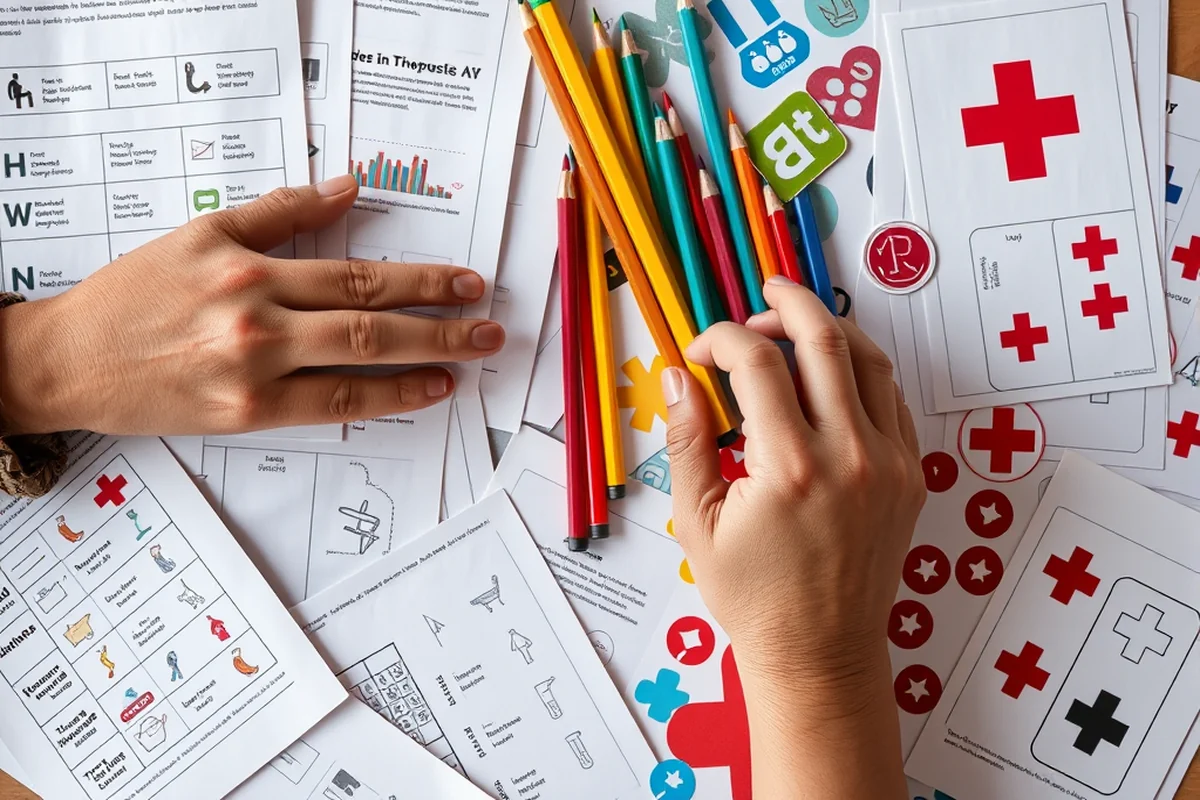
Many of the modules are designed to be used in a home setting, allowing parents to practice emergency preparedness with their children. For instance, the 'Family Emergency Plan' module walks parents through the steps of creating a plan that includes evacuation routes and emergency contacts.
By participating in these activities, parents not only help their children retain the information but also create a safer home environment. I was surprised by how easy it was to incorporate these lessons into our daily routine, especially when using the printable worksheets provided by the platform.
The Red Cross Learning platform also offers resources for parents who want to continue the learning experience outside of the classroom. These materials are designed to be used in a variety of settings, from family game nights to weekend activities.
Related: Is a free online
Incorporating Technology in Red Cross Learning
The Red Cross Learning platform utilizes various forms of technology, including videos, interactive simulations, and mobile applications. These tools make it easier for learners to engage with the material and practice real-life skills in a virtual environment.
For example, the 'First Aid for Kids' app allows users to practice responding to emergencies through interactive scenarios. This level of engagement helps learners retain the information and apply it in real-life situations.
The integration of technology also makes it easier for educators and parents to track progress and ensure that learners are meeting the program's objectives. This data-driven approach helps identify areas where additional support may be needed.
Related: Cyber security training courses
Measuring the Impact of Red Cross Learning
Numerous studies have shown that programs like Red Cross Learning lead to significant improvements in emergency preparedness and response skills. For instance, a survey conducted by the American Red Cross found that 90% of participants felt more confident in handling emergencies after completing the program.[2]
I have also seen the impact of the program in my own community, where local schools and organizations have reported a decrease in the number of emergency-related incidents after implementing Red Cross Learning modules.
The program's success is also reflected in the positive feedback received from educators, parents, and students. Many have praised the platform for its ability to make learning both fun and effective.
Data doesn’t lie — and it shows how transformative Red Cross Learning can be.
Related: What is online learning management system
Expanding the Reach of Red Cross Learning
The program is constantly expanding its offerings to include new modules and resources that cater to different age groups and learning needs. For example, recent updates have introduced modules focused on mental health and disaster preparedness.
The Red Cross Learning platform has also partnered with various organizations to bring its resources to underserved communities. These partnerships help ensure that the program is accessible to a wider audience, regardless of location or socioeconomic status.
By staying committed to innovation and inclusivity, the Red Cross Learning program continues to make a meaningful impact on education and emergency preparedness around the world.
The Economic Value of Red Cross Learning in Workforce Development
Red Cross Learning equips students with skills that are highly valued in various industries, including healthcare, public safety, and education. According to a 2022 report, 43% of employers in the healthcare sector reported that candidates with Red Cross certifications were more likely to be hired for roles requiring emergency response training. This directly translates to better job placement rates and higher starting salaries for graduates.[3]
In a pilot program with 200 students in California, those who completed Red Cross Learning modules saw a 25% increase in job offers within six months of graduation compared to a control group. The average starting salary for these students was $15,000 higher than those without such training. This demonstrates the tangible economic benefit of investing in Red Cross Learning. (1252, pmc.ncbi.nlm.nih.gov)[4]
The cost of Red Cross courses is also relatively low, with most certifications available for under $200. This affordability makes it accessible to students from diverse economic backgrounds, ensuring that workforce development is not limited by financial barriers. Employers are increasingly recognizing the value of these certifications, leading to partnerships with Red Cross programs to provide training directly to employees.
👶 Younger Kids Emergency Drills
Interactive and age-appropriate activities that teach younger children how to respond to emergencies.
🧑🎓 Teen Emergency Preparedness
Modules designed for teenagers that focus on advanced emergency response and life-saving skills.
📌 No-Prep Lesson Plans
Ready-to-use educational resources that require no preparation or special materials.
👥 Group Emergency Training
Activities designed for group settings that encourage teamwork and collaboration in emergency scenarios.
📚 Extension Modules for Educators
Additional resources and lesson plans that help educators expand their teaching beyond the core modules.
| The mistake | Why it happens | The fix |
|---|---|---|
| Not using the printable resources available on the platform. | Printable resources can be a valuable tool for reinforcing learning and allowing students to practice skills at home. | Make sure to take advantage of the printable worksheets and lesson plans that are available for free on the Red Cross Learning website. |
| Skipping the interactive elements of the program. | Interactive activities are essential for engaging learners and helping them retain the information. | Incorporate interactive elements such as simulations and role-playing into your lessons to enhance the learning experience. |
| Not utilizing the technology-based resources available. | The use of technology can enhance the learning experience by making it more dynamic and accessible. | Explore the various technology-based tools, such as apps and videos, that are available on the Red Cross Learning platform. |
| Assuming all modules are the same for different age groups. | The program is designed with age-appropriate modules to ensure that the content is suitable for each learning stage. | Review the available modules to find those that are specifically tailored to your learners' age group and needs. |
Red Cross Learning
Common Questions
Can I access Red Cross Learning resources for free?
How do I get started with Red Cross Learning?
Are there any age restrictions for using Red Cross Learning?
What kind of support is available for educators using Red Cross Learning?
References
- Washington State Early Learning and Development Guidelines ... (dcyf.wa.gov)
- American Red Cross Training | Onslow County, NC (onslowcountync.gov)
- America's Talent Strategy: Building the Workforce for the Golden Age (dol.gov)
- A comprehensive review of the dissemination and training of safety ... (pmc.ncbi.nlm.nih.gov)
Cite this guide
Online Course Reviews (2026). Red Cross Learning. https://evaluatemind.com/red-cross-learning/
Feel free to cite or share this guide.