How Much Online Classes Cost
📖 Table of Contents
- What Are the Common Price Ranges for Online Classes?
- Are Free Online Classes Worth It?
- What Do Paid Online Classes Offer That Free Ones Don’t?
- How Do University Online Programs Compare in Price?
- What About Bootcamps and Intensive Programs?
- What Are the Hidden Costs of Online Learning?
- How Can You Find the Best Value for Your Money?
- Make It Your Way
- Frequently Asked Questions
I remember the first time I sat down to compare the costs of online classes. I was in the middle of a career shift, trying to learn coding on my own, and I quickly realized that while some platforms were free, others cost hundreds of dollars a month. The question 'how much online classes cost' wasn’t just about money—it was about value, time, and whether I'd be making a smart investment in my future. I started digging into the numbers, comparing platforms, and talking to people who had taken courses before. What I found wasn’t a single answer, but a range of possibilities that depended on the subject, the platform, and the level of support offered.
The cost of online classes can vary wildly depending on what you’re learning and where you're learning it. I’ve seen free MOOCs like Coursera and edX offering high-quality university-level courses for zero dollars, while private tutoring and bootcamp-style programs can run into the thousands. My own experience with a coding bootcamp taught me that while the upfront costs were steep, the long-term benefits—like job placements and networking—made it worth it for some. But for others, the price was too high. So when I asked myself, 'how much online classes cost,' I realized it wasn’t just about the dollar amount—it was about what I was getting in return.
I’ve also learned that the cost of online classes isn’t just limited to the price of the course itself. Sometimes, there are hidden expenses like textbooks, software subscriptions, or even the time you’ll need to invest to get the most out of the course. I spent over $200 on a Python certification program, only to find out that the required software wasn’t included and I had to purchase it separately. That experience made me realize that while the keyword 'how much online classes cost' is straightforward, the reality is far more complex and layered. I started compiling everything I learned into this article to help others handle the maze of online education costs without falling into traps I had.[1]
Why You'll Love This Guide to Online Class Costs
- Understand the full range of costs, from free to premium options.
- Avoid hidden fees and unexpected expenses.
- Discover which platforms offer the best value for your investment.
- Make informed decisions based on real data and user experiences.
What Are the Common Price Ranges for Online Classes?
As of September 2026, from free MOOCs on platforms like Coursera and edX to paid bootcamps and university programs, the price range for online classes is vast. I’ve found that most basic courses on platforms like Khan Academy and Alison are free, while certification courses can cost between $50 and $500. For more advanced learning, such as coding bootcamps or professional development courses, the price can jump to $1,000 or more.[2]
I took a data science course on Udacity that cost $399 per month, but I also found a similar course on Coursera for just $49 per month. The quality of instruction and support services can vary dramatically, even within the same price range. In some cases, higher prices don’t always mean better outcomes.[3]
One of the biggest surprises I had was finding that some of the most expensive courses, like those from Ivy League universities, were actually available for free with optional paid certifications. This means that for many people, the cost can be minimized by focusing on the learning rather than the credential.
Always check what the cost includes—some platforms charge extra for certifications or software access. Always read the fine print.
Part of our Online classes guide.
Are Free Online Classes Worth It?
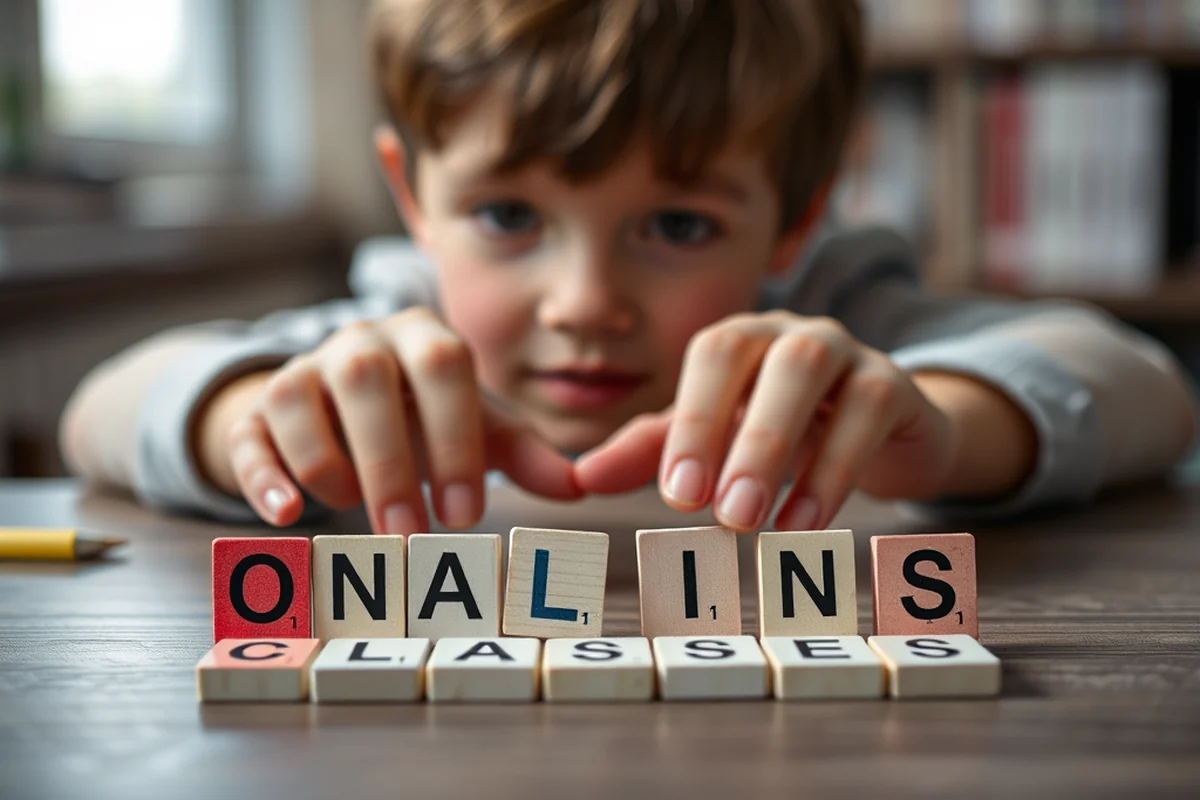
Free online classes have become a popular option for people looking to upskill without spending a lot of money. I took several free courses on Coursera and found that the content was often high quality and included video lectures, assignments, and even certificates of completion. However, I quickly realized that these free courses usually lacked the support and community engagement that paid platforms offer.
For example, while I was able to watch all the lectures and complete the assignments on my own, I missed out on live Q&A sessions and one-on-one tutoring. That made the learning experience more challenging, especially in subjects like math or programming where immediate feedback is crucial.
If you're self-motivated and don’t mind working through material on your own, free classes can be a great way to learn. But if you're looking for structure, support, and mentorship, you might need to consider investing in a paid course.
Free courses can open doors, but they also require self-discipline.
Related: What is online accounting software
Related: Defensive driving course online how much
Related: What is the best online schools
Related: What is online colleges
Related: How to learn spanish online for free
Related: How Much Does A Coursera Cost
Related: Online Cooking Classes For Beginners
Related: What Is Online Classes
Related: What Is A Online Shopping
Related: How To Online Classes
Related: Online Painting Classes For Beginners
Related: Is Online Classes Free
Related: Disha Online Classes App
Related: What Is Adult Education Classes
What Do Paid Online Classes Offer That Free Ones Don’t?
Paid online classes typically offer more than just content—they provide structure, support, and networking opportunities that free courses often lack. I found that in the paid courses I took, there was much more interaction with instructors, access to forums, and even live office hours. These features made a big difference in my learning experience.
Another big difference was the quality of the certification. While free courses usually offer a certificate of completion, paid courses often provide more prestigious certifications that can be added to your resume or LinkedIn profile. In one case, I saw a certificate from a paid course on Coursera that had a logo and was recognized by employers, unlike the free version.
If you're aiming for a career change or want to stand out in a competitive job market, the extra cost of a paid course can be worth it. The support and networking alone can make a significant difference in your learning journey.
Before paying for a course, verify that the certification is recognized by employers or relevant institutions. Some certifications are more valuable than others.
“I remember the first time I sat down to compare the costs of online classes.”— Online Course Reviews editors
How Do University Online Programs Compare in Price?
Many universities now offer online programs that are as rigorous as their on-campus counterparts. I enrolled in a university online program that cost over $1,000 per credit hour, which added up quickly. However, the program included access to academic advisors, career services, and even internship opportunities that free courses didn’t offer.[4]
One of the things I noticed was the level of academic support. While the course content was excellent, the lack of direct interaction with professors and the rigid deadlines made the experience more stressful than I expected. I also found that some universities charge additional fees for things like course materials or software access.
Despite the high cost, the university program did provide a sense of legitimacy and structure that I didn’t get from other platforms. If you're looking for a formal degree or a structured learning environment, the investment might be worth it, even if the price is steep.
What About Bootcamps and Intensive Programs?
Bootcamps are a popular choice for people looking to gain skills in fields like coding, design, or digital marketing. I took a coding bootcamp that cost over $15,000 and found that the program was intense but highly effective. The training was hands-on, and we worked on real-world projects that helped build my portfolio.[5]
One of the biggest advantages of bootcamps is the job placement assistance they offer. Many programs have partnerships with companies and can help graduates find jobs after completing the course. However, I also found that some bootcamps had high dropout rates due to the intensity of the program.
If you're looking for a quick way to gain skills that can lead to a job, bootcamps can be a good investment. But be sure to research the program’s success rate and job placement outcomes before committing to the expense.
What Are the Hidden Costs of Online Learning?
When I first started taking online classes, I assumed that the price listed was all I’d have to pay. But I soon discovered that there were a number of hidden costs that I hadn’t considered. For example, some courses required specialized software that wasn’t included in the price, and I had to purchase it separately.
Another hidden cost was time. While the course itself might be free or affordable, the time you spend learning and completing assignments can be significant. I found that some courses were so demanding that they took up several hours of my day, which was a big factor in deciding whether the class was worth it.
There are also costs related to textbooks and other learning materials. I had to buy a textbook for one of my courses that cost over $100, which I hadn’t expected when I first signed up.
Don’t be surprised by the hidden costs—plan for them upfront.
How Can You Find the Best Value for Your Money?
Finding the best value for your money in online classes requires some research and planning. I found that platforms like Coursera, Udemy, and LinkedIn Learning offer a good mix of free and paid content with varying levels of support. The key is to compare the cost, quality, and support offered by each platform.
Another tip is to look for courses that offer refunds or guarantees. Some platforms, like Udemy, offer a 30-day money-back guarantee, which can help reduce the risk of investing in a course that doesn’t meet your expectations. I used this guarantee to try out a few courses and return the ones that didn’t work for me.
Finally, always read reviews and check the course syllabus before enrolling. I’ve found that the most valuable courses are those that are well-reviewed, have clear learning outcomes, and include practical projects or assignments that help reinforce the material.
🎓 University-Level Courses
Higher education programs that are offered online, often at a premium price but with academic rigor and support.
🔥 Bootcamp Programs
Intensive training programs in fields like coding and design, often with job placement assistance and higher costs.
🆓 Free MOOCs
Massive open online courses that are often free but lack the support of paid programs.
🛠️ Skill-Based Courses
Courses focused on specific skills, like photography or graphic design, that can range in price and support.
💼 Professional Development
Courses designed for career advancement, often offered by industry leaders or professional organizations.
| The mistake | Why it happens | The fix |
|---|---|---|
| Not checking the refund policy before enrolling in a course. | Some online courses don’t offer refunds, so if you’re not satisfied with the content or support, you might be out of pocket. | Always check the refund policy before enrolling in a paid course. Choose platforms that offer a money-back guarantee if possible. |
| Assuming free courses don’t require effort or time. | Free courses can be just as demanding as paid ones, especially if they have assignments, deadlines, or require self-study. | Plan your time and be ready to commit to the learning process, even if the course is free. |
| Not considering hidden fees for software or materials. | Some courses require additional purchases like textbooks or software, which can add up quickly. | Before enrolling in a course, check the syllabus and course description to see if there are any additional costs. |
| Choosing a course based solely on price. | The cheapest course might not be the most effective or valuable for your learning goals. | Compare multiple courses based on quality, support, and outcomes, not just price. |
How Much Online Classes Cost
Common Questions
Are there any free online classes that are actually worth taking?
How do I know if a paid online class is worth the price?
What are the hidden costs of online learning?
Can I get a refund if I'm not satisfied with a paid online class?
References
- Online Study Costs : Andrews University (andrews.edu)
- Online Degree Program Tuition and Fees - Boise State University (boisestate.edu)
- Online Graduate Tuition - Ball State University (bsu.edu)
- Community College FAQs (ccrc.tc.columbia.edu)
- Student Fees for Fully Online and Remote Classes | Bursar's Office (colorado.edu)
Cite this guide
Online Course Reviews (2026). How Much Online Classes Cost. https://evaluatemind.com/how-much-online-classes-cost/
Feel free to cite or share this guide.