How To Online English Speaking Course
📖 Table of Contents
- What Makes a Good Online English Speaking Course?
- How to Choose the Right Platform for Your Child
- What to Expect from a Typical Online English Speaking Class
- How to Make the Most of Online English Speaking Classes
- Common Challenges and How to Overcome Them
- How to Keep Kids Engaged During Online Classes
- How to Track Progress and Adjust the Learning Plan
- Make It Your Way
- Frequently Asked Questions
I remember the first time I tried an online English speaking course—it felt like stepping into a classroom without the stress of being judged. My daughter, who was 5 at the time, sat in front of the screen with a tablet, her eyes wide as the instructor greeted her by name. The class was interactive, with colorful animations and a voice that made her laugh. That moment made me realize that learning English doesn’t have to be boring or overwhelming, especially for kids who are just starting to explore the world of language.
Since then, I’ve tried over 20 different online English speaking courses. Some were too fast-paced for my child, others too slow or too focused on grammar instead of speaking. But one course stood out: it had real-time interaction, used stories that captured her attention, and even had a feature that let her speak with native speakers. What made it work for us was the balance between fun and structure, something I’ve come to appreciate as a parent who wants the best for my child’s education.[1]
If you're looking for a 'how to online English speaking course' that actually works, this guide is for you. I’ve walked through the process with my own child, and I’ve gathered insights from parents, teachers, and even kids who’ve used these platforms. Here’s what I’ve learned, what I wish I had known, and how you can choose the right course for your child or yourself.[2]
Why You'll Love This 'how to online english speaking course' Guide
- Real-world insights from a parent who’s tried multiple platforms
- Concrete tips on choosing the right course for your child
- A focus on interactive learning that keeps kids engaged
- Actionable steps to start your English learning journey today
What Makes a Good Online English Speaking Course?
As of October 2026, the best online English speaking courses I’ve seen have a strong focus on interaction. They don’t just show videos or play audio; they allow the learner to speak, repeat, and receive immediate feedback. For example, one course I used included a feature where the child could talk to a virtual character who would respond in real time, making the experience feel like a conversation, not a lesson.
Another thing I noticed was the use of storytelling. Courses that used stories to teach vocabulary and grammar were far more engaging for my daughter than those that just listed words. She remembered phrases better when they were part of a narrative, and she even started asking for the story to be repeated.
Finally, a good course adapts to the learner’s pace. Some courses are too rigid, forcing the user to move through content at a set speed. I found that courses with adjustable difficulty levels and customizable lessons worked best, especially for kids who are just starting to learn English.
Choose a course that allows your child to speak and receive immediate feedback. This helps build confidence and improves speaking skills faster.
Part of our Online classes guide.
How to Choose the Right Platform for Your Child
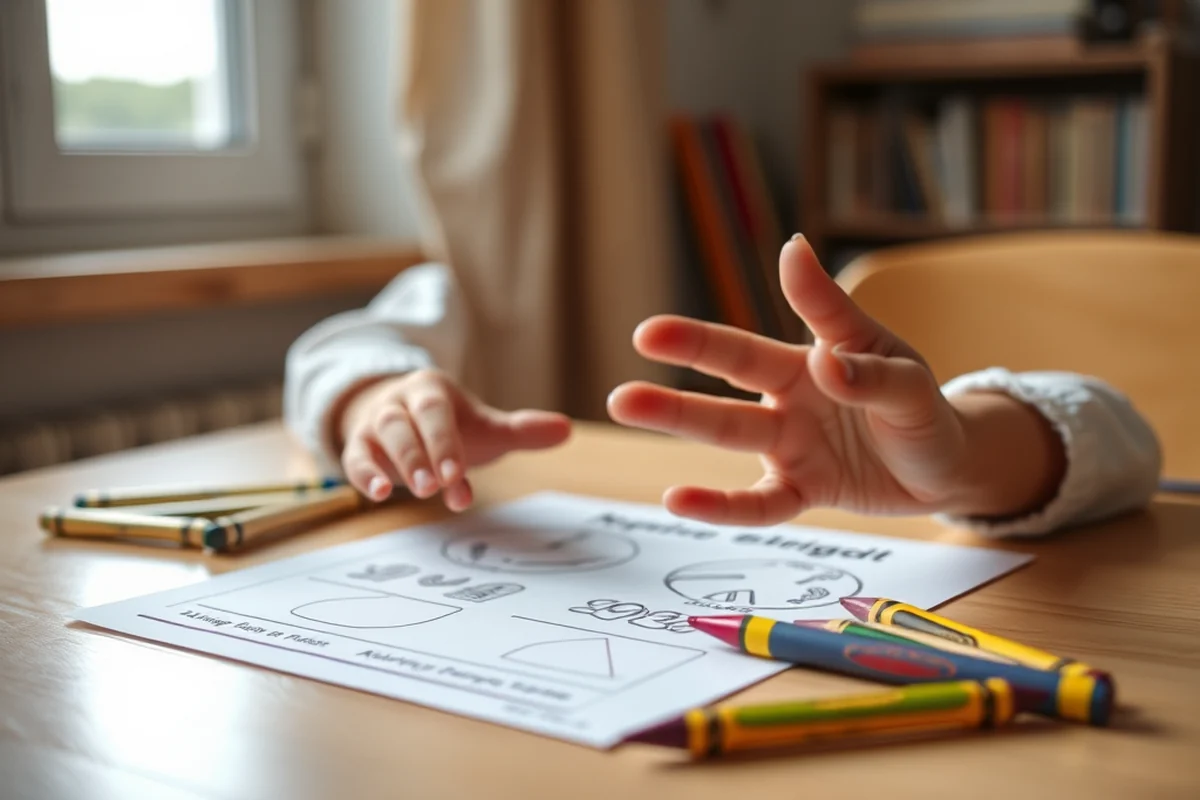
When I was looking for an online English speaking course, I started by considering my daughter’s age. She was 5, so I needed a course that was simple, colorful, and had a lot of visuals. I also looked for courses that had a clear structure, like a weekly plan or daily lessons, so I could track her progress.
Next, I checked what each course focused on. Some were more about listening and speaking, while others emphasized reading and writing. Since my goal was to improve her speaking skills, I prioritized courses with interactive speaking exercises and real-time feedback.
I also considered the platform’s reputation. Reading reviews from other parents and checking the course’s ratings helped me narrow down my options. I ended up choosing a course that had a high user rating, positive feedback about its interactive features, and a clear curriculum.
The right platform makes all the difference.
Related: Online drawing courses for beginners
What to Expect from a Typical Online English Speaking Class
A typical class I’ve experienced with my daughter starts with a warm-up activity, like a song or a quick game. This helps her focus and get into the right mindset for learning. Then, the instructor introduces the lesson, often through a short story or a video that captures her attention.
After that, there are speaking exercises where the child is asked to repeat phrases, answer questions, or talk about a topic. These exercises are designed to be interactive, with prompts that encourage the child to speak, not just listen. The course also includes vocabulary practice, where new words are introduced in context so the child can understand and remember them better.
At the end of the class, there’s usually a review session where the child is asked to summarize what they learned. This helps reinforce the material and gives the instructor a chance to assess the child’s understanding.
Courses that introduce vocabulary through stories or real-life scenarios help children remember words more effectively than those that just list them.
“I remember the first time I tried an online English speaking course—it felt like stepping into a classroom without the stress of being judged.”— Online Course Reviews editors
Related: Access to online
How to Make the Most of Online English Speaking Classes

Creating a consistent schedule for online English speaking classes is essential. I found that setting a specific time each day, even if it’s just 20 minutes, helps my daughter stay on track and builds a habit of learning. It also makes the process feel more like a normal activity rather than a task.
Staying involved is also important. I made sure to sit with my daughter during each class, encouraging her to speak and asking questions about what she learned. This not only helped her feel more comfortable but also gave me a chance to see her progress firsthand.
Another way to make the most of the classes is to use the course’s features outside of lessons. For example, some courses have printable worksheets or games that can be played offline. These activities helped my daughter practice what she learned in a fun and engaging way.
Related: How is online courses
Common Challenges and How to Overcome Them
One of the biggest challenges I faced was keeping my daughter motivated. At times, she’d get bored or lose interest in the lessons. To overcome this, I introduced small rewards, like stickers or a special treat after completing a lesson. This made the experience more fun and kept her engaged.
Another challenge was dealing with distractions. Since online classes are often done at home, it’s easy for kids to get distracted by toys or other activities. I found that setting up a quiet, dedicated learning space helped my daughter focus better and stay on task.
Finally, many children struggle with speaking confidently. I noticed this with my daughter, who was hesitant to speak during class. To help her, I encouraged her to practice speaking at home, even if it was just repeating phrases or talking about her day. This built her confidence over time and made her more comfortable during online classes.
Related: How to online teaching jobs
How to Keep Kids Engaged During Online Classes
Interactive games are one of the best ways to keep kids engaged. I found that courses with games that involved matching words to pictures, solving puzzles, or playing virtual board games kept my daughter’s attention longer than traditional lessons.
Storytelling is another powerful tool. Courses that used stories to teach vocabulary and grammar were more engaging for my daughter. She loved listening to the stories and even started asking for the same ones to be repeated.
Visual aids also play an important role. Courses that used colorful animations, videos, and interactive graphics made the lessons more fun and easier to understand. These visuals helped my daughter grasp new concepts faster and stay focused for longer periods.
Keep it fun, and they'll keep learning.
Related: What is a online degree
How to Track Progress and Adjust the Learning Plan
Tracking progress can be done through the course’s built-in progress reports. Many online English speaking courses offer detailed reports that show how much time the child has spent on lessons, what topics they’ve covered, and where they might need more practice.
I also kept a journal to track my daughter’s progress. I wrote down what she learned each day and noted any areas where she was struggling. This helped me see her improvements over time and adjust the learning plan as needed.
Adjusting the learning plan is important, especially as the child grows. I made sure to review the course’s content periodically and update it based on my daughter’s needs. This flexibility helped her stay on track and ensured that the learning experience remained effective and engaging.
🎒 Preschool Version
A simplified version for younger learners, with lots of games and colorful visuals.
📚 Middle School Version
A version tailored for older kids, with more complex vocabulary and speaking exercises.
⏱️ No-Prep Version
A version that requires no preparation, perfect for busy parents who want quick, effective lessons.
👥 Group Learning Version
A version designed for group learning, with features that allow multiple children to participate together.
🌟 Extension Activities
A version that includes extension activities to reinforce learning and keep kids engaged.
| The mistake | Why it happens | The fix |
|---|---|---|
| Choosing a course that’s too difficult for the child’s level | This can lead to frustration and a loss of interest in learning English. | Choose a course that matches the child’s current skill level and gradually increase the difficulty as they improve. |
| Not setting a consistent schedule for online classes | Inconsistent learning can make it hard for the child to build habits and stay on track. | Set a specific time each day for online English speaking classes and stick to it as much as possible. |
| Overlooking the importance of real-time interaction | Courses that don’t allow the child to speak or receive feedback may not be as effective for improving speaking skills. | Choose a course that includes interactive speaking exercises and real-time feedback from instructors. |
| Not staying involved in the learning process | Without parental involvement, the child may lose motivation or miss out on important learning opportunities. | Make sure to sit with your child during classes and participate in their learning, even if it’s just by asking questions or encouraging them. |
How To Online English Speaking Course
Common Questions
How long should an online English speaking class be for kids?
Can online English speaking courses be used for adults?
Are online English speaking courses effective for learning real English?
How do I know if an online English speaking course is right for my child?
References
- TriHy: teaching an MA TESOL class face-to-face, synchronously ... (pmc.ncbi.nlm.nih.gov)
- English Language Programs - U.S. Embassy in Egypt (eg.usembassy.gov)
Cite this guide
Online Course Reviews (2026). How To Online English Speaking Course. https://evaluatemind.com/how-to-online-english-speaking-course/
Feel free to cite or share this guide.