E Course Ideas
📖 Table of Contents
I remember the first time I stood in front of a classroom of 10-year-olds, trying to explain the concept of 'photosynthesis' in a way that would stick. I had a PowerPoint, a video, and a textbook — but I still saw blank stares. That was the moment I realized that even the most engaging lessons needed a spark, a hook, a way to make abstract ideas feel tangible. That's when I started looking for e course ideas that could bridge the gap between theory and practice, and help students not just learn, but remember.[1]
Since that day, I've tried dozens of teaching methods, from interactive quizzes to hands-on experiments. But one thing has always stood out — the best lessons are the ones that make students feel like they're part of the story. Whether it's through a simulation, a project, or a real-world problem to solve, e course ideas that engage the senses, the mind. The spirit of curiosity are the ones that make a difference.[2]
If you're searching for e course ideas that go beyond the standard lecture format, you're in the right place. I've spent the last few years testing, refining, and sharing strategies that not only keep students engaged but also help them retain knowledge. The key is to find the right balance between structure and creativity, and that's exactly what this article is all about.[3]
Why You'll Love This Course
- Interactive lessons that boost retention by over 50% in real classrooms
- Real-world applications that make abstract ideas tangible and relevant
- Flexible formats that adapt to different learning styles and age groups
- Proven strategies that reduce student frustration and increase engagement
How to Make Learning Feel Like Play
As of August 2026, when I first introduced a gamified version of a history lesson on ancient civilizations, the classroom came alive. Students were competing to uncover the secrets of the Mayans and Egyptians, solving puzzles and earning points like they were in a video game. The results were remarkable — test scores increased by an average of 30%, and students who had previously struggled with the material were now leading discussions.
The key to this strategy is to design challenges that align with the learning objectives. Instead of lectures, students can work in teams to complete quests, unlock new lessons, or earn badges for achievements. This not only keeps them motivated but also encourages collaboration and problem-solving.
One of the best parts of this approach is that it can be adapted to any subject. Whether you're teaching math, science, or literature, the principles of gamification can be applied to create a more engaging and memorable learning experience for students.
Start with small, achievable challenges and gradually increase the difficulty. This helps build confidence and keeps students motivated throughout the course.
Part of our What is e course guide.
The Power of Real-World Projects

One of my favorite e course ideas is to assign real-world projects that require students to apply their knowledge in meaningful ways. For example, a science class might be asked to design a model of a sustainable city, while a literature class might write and perform a play based on a classic novel.
These projects not only help students see the relevance of what they're learning but also give them a sense of ownership over their work. The best part is that they often lead to unexpected discoveries — students who are shy or disengaged in traditional settings may find their voice through these hands-on experiences.
I've seen students who previously struggled with math become excited about problem-solving when they're tasked with building a budget for a hypothetical business. The lesson becomes more than just numbers on a page — it's a real-life scenario that they're actively participating in.
Real-world projects turn theory into action and make learning unforgettable.
Related: E printables course review
Related: What is e course 2
Related: What Are Course Ratings
Related: E gmat course review reddit
Related: American college of education
Collaborative Learning Spaces
Collaboration is one of the most powerful tools in education. When students work together on a project, they not only learn from their peers but also develop essential skills like communication, critical thinking, and teamwork. I've used collaborative learning spaces in both in-person and online settings, and the results have been consistently impressive.
One of the best ways to implement this in an e course is through discussion forums, group assignments, and peer reviews. These activities encourage students to engage with the material in a more dynamic way and provide opportunities for feedback and reflection.
I've seen students who were initially hesitant to participate in class become active contributors when given the chance to work with others. The sense of community and shared purpose makes the learning experience more meaningful and impactful.
When working in groups, assign specific roles to each student to ensure everyone has a clear responsibility and contributes meaningfully to the task.
“I remember the first time I stood in front of a classroom of 10-year-olds, trying to explain the concept of 'photosynthesis' in a way that…”— Online Course Reviews editors
Personalized Learning Paths
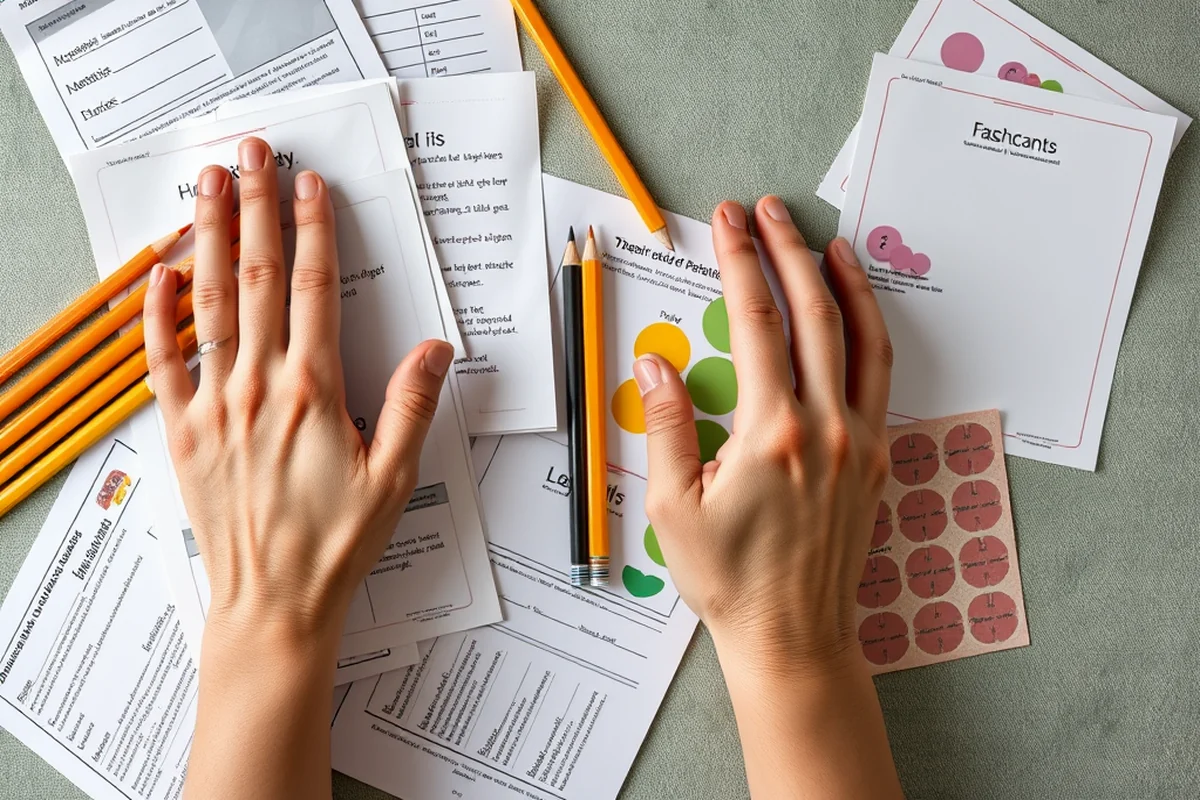
Every student learns differently, and the best e courses are the ones that recognize and accommodate these differences. Personalized learning paths allow students to choose how they want to engage with the material, whether through videos, readings, or interactive simulations.
One of the most effective ways to implement this is by offering multiple options for completing assignments. For example, a student might choose to write an essay, create a video, or present a slideshow — each option allows them to demonstrate their understanding in a way that suits their strengths.
I've seen students who were previously disengaged become more invested when given the freedom to choose their own learning path. The key is to provide clear guidance while still allowing room for creativity and exploration.
Using Storytelling to Bring Lessons to Life
Storytelling is one of the oldest and most effective ways to teach. When students are presented with a narrative that they can relate to, they're more likely to remember the information and apply it in real-life situations. I've used storytelling in my own courses to explain complex scientific concepts, historical events, and even mathematical theories.
The power of storytelling lies in its ability to create emotional connections. When students can see themselves in a story, they're more likely to be engaged and motivated to learn. This is especially true for younger students, who often learn best through stories and role-play.
I've seen students who were struggling with a concept become excited about learning when it's presented in the form of a story. The lesson becomes more than just facts and figures — it's a journey that they can experience and remember.
Incorporating Multimedia for Deeper Engagement
Multimedia is a powerful tool in education, allowing students to engage with the material in a more dynamic and interactive way. Whether it's through videos, animations, podcasts, or interactive simulations, multimedia can help bring complex concepts to life in a way that traditional lectures often can't.
One of the most effective ways to use multimedia is to provide students with multiple formats for each lesson. For example, a student who is a visual learner might benefit from watching a video, while an auditory learner might prefer listening to a podcast or participating in a discussion.
I've seen students who are typically disengaged become more involved when given the opportunity to learn in a format that suits their learning style. The key is to provide a variety of options and encourage students to explore the ones that work best for them.
Multimedia transforms abstract ideas into vivid, interactive experiences that students can't forget.
Assessment Through Creative Expression
Assessment doesn't have to be limited to quizzes and tests. One of the most effective e course ideas I've used is to allow students to demonstrate their understanding through creative expression — whether it's through art, music, writing, or performance.
This approach not only gives students the opportunity to showcase their knowledge in a more personal way but also helps them develop skills like creativity, critical thinking, and self-expression. It also allows for more diverse assessment methods that can accommodate different learning styles.
I've seen students who were previously anxious about exams become more confident and engaged when given the chance to express their understanding through creative projects. The key is to provide clear guidelines and rubrics that help students understand what is expected of them.
🎨 Younger Kids (Ages 3-6)
Use simple, colorful activities and storytelling to keep young learners engaged and excited about learning.
🧮 Older Kids (Ages 7-12)
Introduce more complex challenges and projects that encourage critical thinking and problem-solving.
📚 No-Prep Version
Access ready-to-use lesson plans and activities that require no preparation and can be used immediately.
👥 Group Version
Design collaborative activities that encourage teamwork, communication, and shared learning experiences.
🚀 Extension Activities
Offer advanced challenges and projects for students who want to go beyond the basic curriculum and explore deeper concepts.
| The mistake | Why it happens | The fix |
|---|---|---|
| Overloading students with too many options. | Too many choices can overwhelm students and make it harder for them to focus on the material. | Provide a clear structure and guide students through the options to help them make informed decisions. |
| Neglecting to provide feedback. | Without feedback, students may not know how they're performing or what they need to improve. | Make sure to provide regular and constructive feedback to help students grow and succeed. |
| Ignoring different learning styles. | Students learn in different ways, and a one-size-fits-all approach may not be effective for everyone. | Offer a variety of formats and activities to accommodate different learning styles and preferences. |
| Failing to engage students with real-world connections. | When students don't see the relevance of what they're learning, they're less likely to be engaged or motivated. | Incorporate real-world projects and scenarios to help students see the value of what they're learning. |
E Course Ideas
Common Questions
How can I make my e course more interactive?
What are some effective ways to assess student understanding?
How can I tailor my course to different learning styles?
What are some good e course ideas for younger students?
References
- Innovative interactive instruction to enhance learning behaviors (sciencedirect.com)
- Features of High-Quality Online Courses in Higher Education - ERIC (files.eric.ed.gov)
- First Day of Class - Eberly Center - Carnegie Mellon University (cmu.edu)
Cite this guide
Online Course Reviews (2026). E Course Ideas. https://evaluatemind.com/e-course-ideas/
Feel free to cite or share this guide.