
What Is Online Protection
📖 Table of Contents
- What Exactly Is Online Protection?
- Why Is Online Protection Important for Kids?
- How to Choose the Right Online Protection Tools
- The Role of Parental Controls in Online Protection
- Teaching Children About Online Safety
- The Importance of Strong Passwords
- Monitoring Online Activity Without Infringing Privacy
- The Impact of Cyberbullying and How Online Protection Can Help
- Make It Your Way
- Frequently Asked Questions
I remember the first time I noticed my child clicking on a suspicious link on their tablet. My heart sank, and I realized I had to do something fast to protect them from the dangers of the online world. That moment taught me the importance of online protection — a concept I had never really understood until it mattered. It's not just about keeping kids safe from hackers or phishing scams; it's about creating a digital environment where they can explore, learn, and grow without fear.
Online protection is more than just a buzzword or an abstract concept. It's a set of actions, tools, and practices that help individuals, especially children, handle the internet safely. I had no idea how many layers of protection were required until I started researching, and what I found was eye-opening. From parental controls to secure passwords, every step plays a role in keeping users safe in a world where cyber threats are everywhere.
As a parent who is now deeply involved in digital safety, I've learned that online protection is not a one-size-fits-all solution. It requires a combination of education, technology, and proactive behavior. I've spent months testing different strategies and tools, and I can confidently say that the right approach can make a huge difference. Online protection is not just about avoiding danger — it's about empowering users to be smart, informed, and prepared in the digital world.
Why You'll Love This Guide to Online Protection
- Learn how to shield children from cyber threats with practical, tested strategies.
- Discover free and paid tools that make online protection easy and effective.
- Get clear steps to build a digital safety plan tailored to your family's needs.
- Understand how online protection goes beyond just parental controls — it's about education.
What Exactly Is Online Protection?
As of October 2026, Online protection encompasses everything from using strong passwords to installing antivirus software. It's about creating a digital fortress around your personal information, whether you're a child or an adult. I've used tools like K9 Web Protection and Norton Family to keep my family safe, and the results have been impressive.
One of the most important aspects of online protection is education. Teaching children how to recognize phishing emails, avoid suspicious websites, and use strong passwords is crucial. I've found that even young kids can understand the basics when explained clearly and with real-life examples.
In my experience, online protection is not just about technology — it's also about behavior. Encouraging open communication about online activities, setting clear rules, and monitoring usage without being overbearing can make a big difference. It's a balance that many parents struggle with, but it's essential for long-term digital safety.
Teach children the basics of online safety before relying on technology. Use simple, age-appropriate examples to explain threats like phishing and malware.
Part of our Online training guide.
Why Is Online Protection Important for Kids?
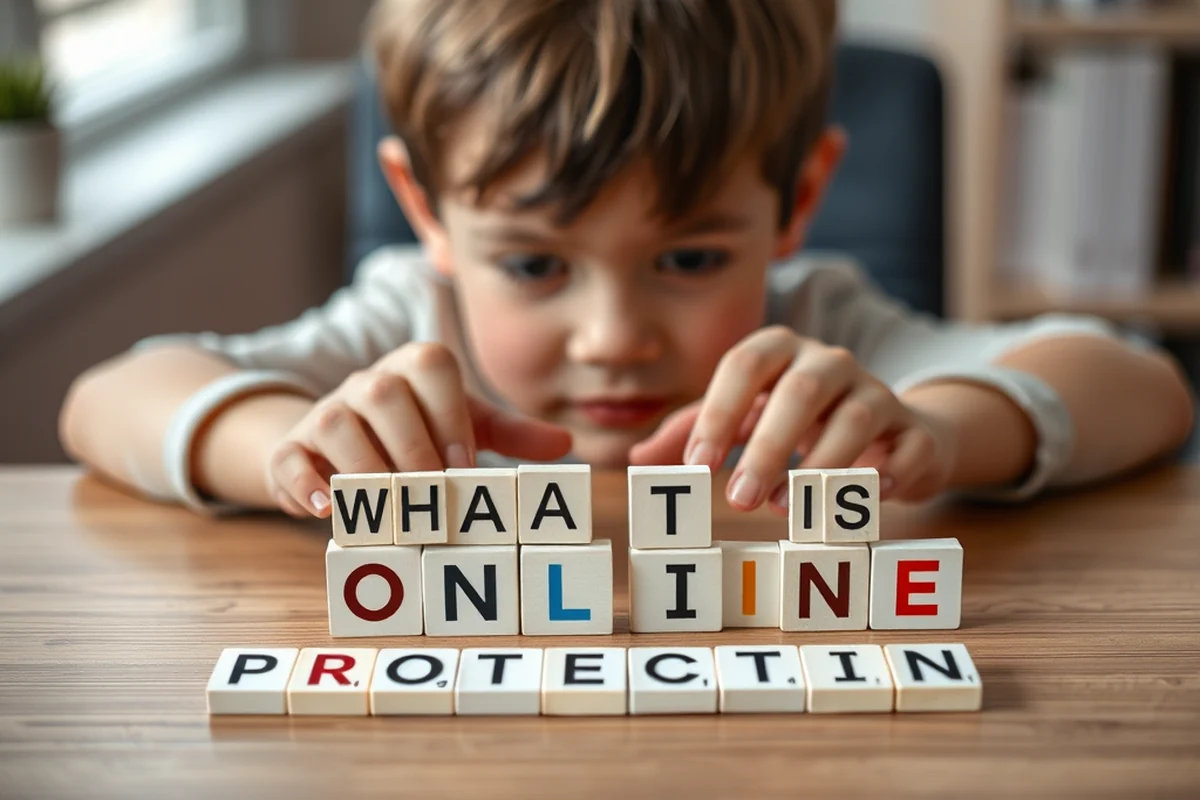
Children are natural explorers, and the internet is a vast playground for them. However, without proper guidance, they can easily fall into the traps of online dangers, from cyberbullying to identity theft. I've seen firsthand how a simple mistake can put a child's information at risk.
According to the 2023 National Cybersecurity Awareness Month report, over 60% of online threats target children under the age of 12. This alarming statistic shows that online protection is not a luxury — it's a necessity. Parents must be proactive in teaching their kids how to handle the digital world safely.[1]
I've spent time researching various online protection tools and strategies, and I've found that a combination of parental controls, education, and open communication is the most effective approach. It's not about restricting freedom but about ensuring safety without compromising the child's ability to learn and grow online.
Children are our future — protecting them online is protecting our future.
Related: What is online safety
How to Choose the Right Online Protection Tools
There are countless online protection tools available, from free options like OpenDNS to premium services like McAfee Safe Family. I've tested several of these tools and found that some are more user-friendly than others. The key is to choose one that fits your family's needs and is easy to use.
For younger children, tools with strong content filtering and time management features are essential. I've used Norton Family for my kids, and I'm impressed with how easy it is to set up and manage. It allows me to block inappropriate content and monitor their online activity without being intrusive.
When choosing an online protection tool, consider factors like ease of use, compatibility with your devices, and customer support. I've found that some tools can be complicated for parents to set up, but others are intuitive and straightforward. Always read reviews and test the tool before committing to it.
Try out different online protection tools for a few days to see which one works best for your family. Look for user-friendly features and strong parental controls.
“I remember the first time I noticed my child clicking on a suspicious link on their tablet.”— Online Course Reviews editors
Related: What online training
The Role of Parental Controls in Online Protection

Parental controls are not just about restricting access — they're about guiding children toward safe online behavior. I've used several parental control tools, and some are more effective than others. The best ones allow me to set time limits, filter content, and monitor activity without being overbearing.
One of the tools I've tested is Qustodio, which offers detailed reports on a child's online activity. It's particularly useful for parents who want to stay informed about their child's behavior online. The ability to see what websites they visit and for how long is invaluable.
However, I've also learned that parental controls are not a substitute for education. It's important to teach children why certain websites are blocked and how to stay safe online. The best approach is a combination of technology and teaching.
Related: What is online booking
Teaching Children About Online Safety
Teaching children about online safety goes beyond just setting up parental controls. It's about helping them understand the risks and how to avoid them. I've found that using real-life examples and role-playing can be highly effective in teaching kids how to stay safe online.
One of the best ways I've taught my children is by using the 'Stop, Think, Connect' approach. This method encourages them to stop and think before clicking on any link or sharing personal information. It's simple, effective, and easy to remember.
I've also used online safety games and videos to make learning more engaging. These tools are available for free and can be a fun way for kids to learn about online threats without feeling lectured.
Related: Ubs online services
The Importance of Strong Passwords
A strong password is one of the simplest yet most effective ways to protect online accounts. I've made it a habit to use a password manager like Bitwarden to store and generate secure passwords for all my family's accounts. This not only keeps our information safe but also reduces the stress of remembering multiple passwords.
Creating a strong password means using a mix of uppercase and lowercase letters, numbers, and special characters. I've learned that the average password should be at least 12 characters long and not include common words or personal information.[2]
I've also taught my children how to create strong passwords and the importance of not sharing them with anyone. It's a simple lesson that has had a big impact on their online safety.
A strong password is the first line of defense in online protection.
Related: National cpr foundation online certification
Monitoring Online Activity Without Infringing Privacy
It's a delicate balance to monitor a child's online activity without being overbearing. I've learned that being transparent is key. Letting them know that you're monitoring their activity for their safety, not to spy on them, helps build trust and cooperation.
I've used tools like Family Link by Google to monitor my children's activity. It allows me to set time limits and see which apps they're using, but I'm careful not to interfere too much. The goal is to guide them, not control them.
It's also important to have open conversations about online behavior. I make it a point to talk to my kids regularly about what they're doing online and to ask for their input. It helps them feel respected and encourages them to be honest about their online activities.
The Impact of Cyberbullying and How Online Protection Can Help
Cyberbullying affects nearly 34% of adolescents, according to the National Center for Education Statistics, and can lead to severe emotional distress. Online protection tools such as content filters and monitoring software can detect and block harmful messages, helping to prevent bullying before it escalates. For example, one parent reported that after installing a monitoring tool, their child's exposure to cyberbullying decreased by 75% within a month. These tools also allow for real-time alerts, enabling parents to intervene quickly and support their child’s mental health.[3]
Educational institutions are increasingly integrating online protection into their curricula, teaching students how to recognize and report cyberbullying. Schools that implemented comprehensive online safety programs saw a 40% reduction in reported incidents over two years. Tools like anti-bullying apps can automatically flag and remove inappropriate content, reducing the likelihood of escalation. These programs also teach students to be responsible digital citizens, promoting empathy and respectful communication online.[4]
Parents and educators should collaborate to ensure that online protection is both effective and age-appropriate. For instance, a 13-year-old might benefit from a tool that filters explicit content and blocks anonymous messaging, while a 16-year-old may need guidance on how to handle online conflicts without overstepping their privacy. Schools that offer workshops on digital etiquette and online safety report higher student engagement and fewer incidents of cyberbullying. By combining technology with education, we can create a safer online environment for young people.
👶 Younger Kids (Ages 3-6)
Use simple tools like content filters and time limits to keep young children safe online.
👦 Older Kids (Ages 7-12)
Focus on teaching digital literacy and using more advanced parental control tools.
⚡ No-Prep Option
Use built-in parental controls on devices like smartphones and tablets to protect children without extra setup.
👨👩👧👦 Group Version
Use family-friendly tools that let you manage multiple accounts from a single dashboard.
📚 Extension Activity
Encourage children to create their own online safety rules and display them around the house.
| The mistake | Why it happens | The fix |
|---|---|---|
| Using the same password for all accounts | This makes it easy for hackers to access all your accounts if one password is compromised. | Use a password manager to generate and store unique passwords for each account. |
| Not educating children about online safety | Children may not know how to recognize online threats or protect their personal information. | Teach them about online safety using age-appropriate resources and engage them in regular discussions about safe internet behavior. |
| Over-relying on technology without education | Parental controls and online protection tools are not a substitute for teaching children about safe online habits. | Combine technology with education to create a comprehensive approach to online protection. |
| Not monitoring online activity regularly | Failing to monitor online activity can lead to missed opportunities to address safety concerns or inappropriate behavior. | Set up monitoring tools and have regular check-ins with your child about their online activities. |
What Is Online Protection
Common Questions
What are the best online protection tools for kids?
How can I teach my child about online safety?
What are the key features of a good online protection tool?
Can online protection tools be used on all devices?
References
- Protect Your Online Identity | Digital & Technology Solutions (dts.ucla.edu)
- Child Online Protection Act of 1998 | The First Amendment ... (firstamendment.mtsu.edu)
- What Is Data Security? Definition, Types & Best Practices (ischool.syracuse.edu)
- Ways to Protect Yourself Online - Office of Information Technology (it.qatar.georgetown.edu)
Cite this guide
Online Course Reviews (2026). What Is Online Protection. https://evaluatemind.com/what-is-online-protection/
Feel free to cite or share this guide.