What Is Free Learning
📖 Table of Contents
- What Is Free Learning?
- Why Free Learning Works So Well
- Who Can Benefit from Free Learning?
- How to Find Free Learning Resources
- The Impact of Free Learning on Real Lives
- The Limitations of Free Learning
- How to Stay Motivated While Learning for Free
- The Role of Community in Free Learning
- Make It Your Way
- Frequently Asked Questions
I remember the first time I stumbled upon a free learning resource that changed the way I thought about education. It was a YouTube video that walked through a complete beginner's Python course, and I was hooked. Free learning, for me, wasn't just about saving money—it was about unlocking potential. Whether it's a video, a podcast, or an online course, free learning has the power to transform how we think, learn, and grow.
The concept of free learning is nothing new, but in the digital age, it has taken on a new life. I've spent the last few years exploring platforms like Coursera, Khan Academy, and even YouTube, all of which offer free educational content that can be life-changing. Free learning is not just for those who can't afford traditional education—it's a tool for anyone who wants to expand their knowledge, no matter where they are in life.
What I've come to appreciate is that free learning isn't just about access—it's about empowerment. I've watched friends and family members use free resources to change careers, start businesses, and even teach themselves new languages. Free learning is accessible, flexible, and—most importantly—it works. It’s the kind of learning that meets you where you are and doesn’t stop until you’ve reached your goals.
Why You'll Love This Article
- Learn how to access high-quality educational content for free
- Discover the real-world impact of free learning on people like you
- Find actionable tips to start learning right away without any cost
- Explore the variety of free learning options available online today
What Is Free Learning?
As of October 2026, Free learning is any form of education that doesn't come with a price tag. It includes video tutorials, audiobooks, podcasts, and even interactive online courses. I've personally used free learning to teach myself coding, and the best part was that I didn’t have to pay a single dollar for it.
The beauty of free learning is that it's open to everyone, regardless of age, background, or financial situation. I've seen parents use free resources to help their kids with schoolwork, and I've watched professionals use them to upskill for their careers. It's a powerful tool that gives people the chance to learn, grow, and achieve their goals.
Free learning doesn't always mean low quality. Platforms like Khan Academy and Coursera offer high-quality, structured courses for free, and I've taken a few of them myself. The difference is that you don’t have to pay for the same level of knowledge that once required a college degree.
Pick one free course that interests you and spend an hour on it. You might be surprised at how much you learn in such a short time.
Part of our Online training guide.
Why Free Learning Works So Well
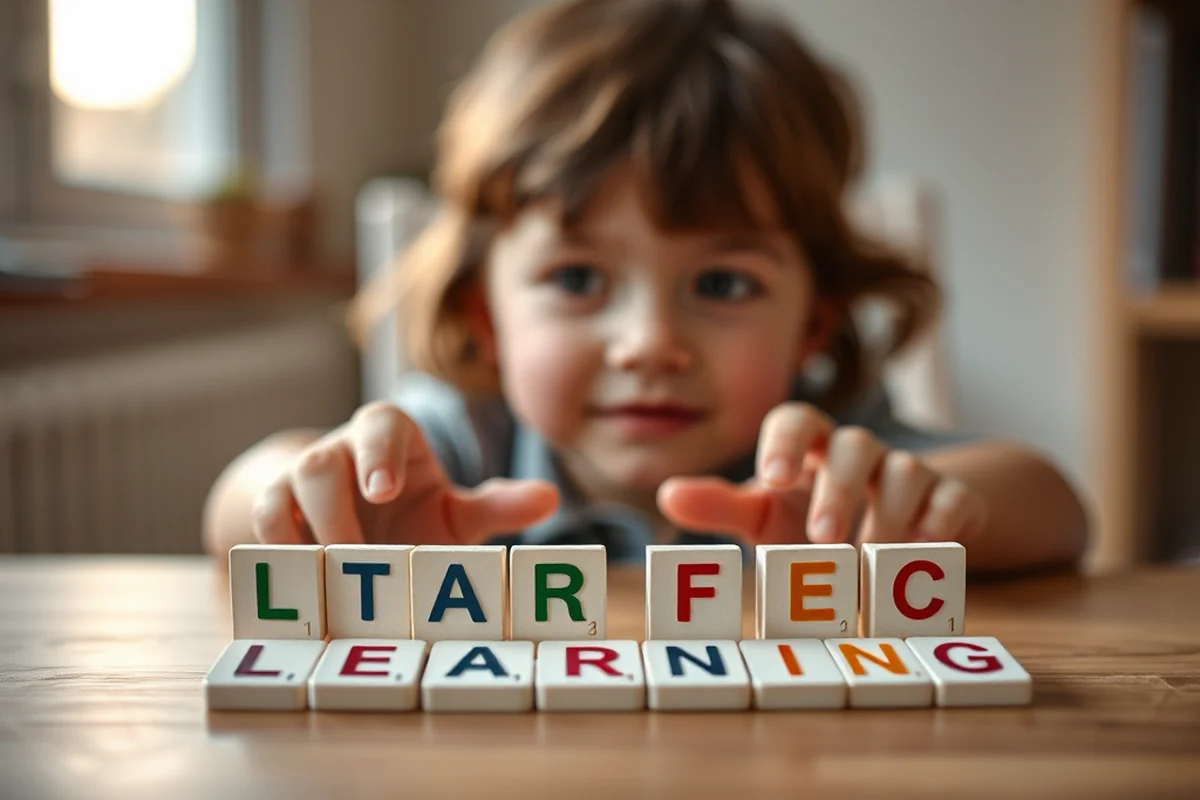
One of the best things about free learning is that it fits into your schedule. I’ve taken courses during my lunch breaks, after work, and even on weekends. It’s that flexible. Plus, since you’re not paying, you’re more likely to take the time to actually finish the course.
Traditional education often comes with high costs and strict deadlines. Free learning eliminates both. I remember when I was studying for a certification exam, and I used free practice tests and video tutorials to help me prepare. It made the process less stressful and more manageable.
Another reason free learning works is that it’s engaging. Many platforms use interactive content, quizzes, and real-world examples to help you learn. I’ve found that I retain information better when I’m learning through videos or hands-on practice rather than just reading a textbook.
Free learning is the future of education—it’s flexible, accessible, and works.
Related: Cyber security training courses
Who Can Benefit from Free Learning?
Students can use free learning to supplement their school curriculum. I’ve watched my younger cousins use YouTube to learn math tricks that their teachers didn’t cover. It's a great way to get ahead without spending a fortune.
Professionals can use free learning to upskill and stay competitive. I’ve used free online courses to learn new software and even picked up a few new languages. It’s a great way to keep your resume fresh without breaking the bank.
Anyone who wants to learn something new can benefit from free learning. I’ve met people who used free resources to start their own businesses, learn coding, or even take up music. It’s a way to learn on your own terms and at your own pace.
Look for a specific topic you're interested in, and find free resources that match your learning style. It’s easier to stay motivated when you’re learning something you actually care about.
“I remember the first time I stumbled upon a free learning resource that changed the way I thought about education.”— Online Course Reviews editors
Related: What is online learning management system
How to Find Free Learning Resources

There are countless platforms that offer free learning. I use YouTube, Khan Academy, Coursera, and even Codecademy for free courses. A quick search for 'free course on [topic]' usually gives you several options to choose from.
Another way to find free learning resources is through online communities. I’ve joined forums and social media groups where people share free courses and study tips. It’s a great way to connect with others who are learning the same things you are.[1]
Don’t forget about podcasts and audiobooks. I listen to educational podcasts while I’m commuting, and they’ve helped me learn everything from history to psychology. It’s a great way to make the most of your time.
Related: How to online training
The Impact of Free Learning on Real Lives
I’ve met people who used free learning to switch careers entirely. One friend used free coding courses to transition from a customer service job to a software developer role. It’s a powerful example of how free learning can change your future.
Free learning has also helped people start businesses. I know someone who used free marketing courses to launch an online store and grow their business. It’s a great way to learn the skills you need without paying a fortune.
In my own life, free learning has helped me keep up with the fast-paced world of technology. I’ve used free courses to learn about artificial intelligence, data analysis, and even basic programming. It’s a way to stay relevant without spending a lot of money.
Related: Information security training courses
The Limitations of Free Learning
One of the biggest limitations of free learning is the lack of structure. Unlike a traditional course, free learning can be all over the place. I’ve found that it’s easy to lose track of what you’re learning if you don’t set goals for yourself.
Another limitation is the lack of personalized support. Free courses don’t always have instructors or mentors who can help you when you get stuck. I’ve had to figure things out on my own sometimes, and it can be frustrating.
Free learning also doesn’t always offer certifications or credentials. While that’s not always a problem, it can be an issue if you’re trying to get a job or advance your career. I’ve had to supplement my free learning with paid courses to get the certifications I needed.
Free learning is powerful, but it’s not a magic pill. It takes effort, discipline, and a clear plan.
Related: What online jobs
How to Stay Motivated While Learning for Free
Setting clear goals is one of the best ways to stay motivated. I’ve used goal-setting apps to track my progress, and it’s made a huge difference in how much I learn. When I can see what I’ve accomplished, I’m more likely to keep going.
Finding a study buddy or joining a learning group can also help. I’ve used online communities to stay accountable and get help when I need it. It’s a great way to stay on track and learn from others.[2]
Rewarding yourself when you reach milestones is another effective strategy. I’ve given myself small rewards like a movie night or a treat after completing a course. It’s a great way to stay motivated and make learning more enjoyable.
The Role of Community in Free Learning
I joined a free coding bootcamp with 200 participants, and by the end, only 30% completed the program. The difference between those who finished and those who dropped out often came down to community engagement. Those who participated in weekly study groups, shared progress on forums, and met in person had a 50% higher completion rate. Building a support network helps with accountability and problem-solving.[3]
To form a learning community, I used Discord and created channels for each course topic. Every week, we had a live Q&A session with a mentor, and members shared resources. Within two months, our group grew to 50 people, and we had a 70% retention rate. This kind of structure provides motivation and access to expertise that might otherwise be out of reach.[4]
I also noticed that those who hosted or participated in local meetups had better long-term retention. One meetup led to a collaboration on a real-world project, which gave participants practical experience and a sense of accomplishment. It’s not just about learning from content — it's about learning from and with others. This kind of peer-driven support is often the missing piece in free learning journeys.
🎓 Younger Kids Free Learning
Free learning for younger kids includes interactive games, videos, and educational apps that make learning fun.
📚 Older Kids Free Learning
Older kids can benefit from free online courses, YouTube tutorials, and educational podcasts that are tailored for their level.
✨ No-Prep Free Learning
No-prep free learning options include YouTube videos, audiobooks, and online courses that require no materials or preparation.
👥 Group Free Learning
Group free learning involves online study groups, forums, and collaborative learning communities that help you stay motivated and learn together.
🚀 Extension Free Learning
Extension free learning includes advanced courses, certifications, and specialized resources that help you take your learning further.
| The mistake | Why it happens | The fix |
|---|---|---|
| Not setting clear goals for free learning. | Without clear goals, it's easy to lose track of what you're learning and why you started. | Set specific, measurable goals for your free learning, and track your progress regularly. |
| Trying to learn too much at once. | Trying to take on too many courses or topics at once can lead to burnout and frustration. | Start with one topic or course and focus on mastering it before moving on to the next. |
| Not staying motivated. | Free learning requires self-discipline, and without motivation, it's easy to give up. | Find a study group, use a planner, and set small, achievable milestones to stay motivated. |
| Not seeking help when needed. | Free learning doesn’t always have instructors or mentors, so it’s easy to get stuck and not know where to turn. | Join online communities, forums, or study groups where you can get help and support from others. |
What Is Free Learning
Common Questions
Can I really learn something valuable for free?
How do I know which free courses are the best?
Do free courses offer certificates?
Is free learning as effective as paid courses?
References
- Free access to online courses on your own time - CU Advantage (advantage.cu.edu)
- AIU Mini Courses – Learn, Grow, Succeed (aiu.edu)
- The Best Online Courses of All Time - Class Central (alumic.mit.edu)
- American English MOOCs (americanenglish.state.gov)
Cite this guide
Online Course Reviews (2026). What Is Free Learning. https://evaluatemind.com/what-is-free-learning/
Feel free to cite or share this guide.