Open Educational Resources: What They Are and How They Help Learning
📖 Table of Contents
- What Are Open Educational Resources?
- The Cost Savings of Using OER
- How OER Improve Learning Outcomes
- The Role of Educators in the OER Movement
- The Benefits of OER for Institutions
- The Global Impact of OER
- Getting Started with OER
- The Challenges and Opportunities of Adopting OER in Rural and Underserved Communities
- Make It Your Way
- Frequently Asked Questions
I remember the first time I stumbled upon a free, high-quality textbook for my college-level chemistry course. It was late at night, and I had just realized I couldn't afford the $150 textbook my professor recommended. I searched 'open educational resources' and found a version of the same textbook, fully licensed for free use. That night, I didn't just save money — I found a new way to learn without the weight of debt.[1]
Since that moment, I've explored a wide range of open educational resources, from interactive math modules to full university courses. Each one felt like a gift — not just for students like me, but for educators who wanted to provide quality learning without the barriers of cost. Open educational resources have transformed how I see education: not as a privilege, but as a right.
Now, I want to share that same experience with you. Whether you're a student, teacher, or lifelong learner, open educational resources can revolutionize your journey. From saving hundreds of dollars on textbooks to unlocking new ways of learning, these resources are reshaping education for the better — and I'm here to guide you through it.
Why You'll Love This Approach to Learning
- Access high-quality educational materials at no cost.
- Customize learning experiences to fit your unique needs.
- Support equitable access to education for all learners.
- Empower educators with flexible, adaptable teaching tools.
What Are Open Educational Resources?
As of November 2026, Open educational resources (OER) are digital or physical materials that are available for use, modification, and distribution. These resources include textbooks, videos, lesson plans, and even full courses. Unlike traditional textbooks, OER are typically released under open licenses such as Creative Commons, which allow users to reuse and adapt the content for free.
These materials are made available by educators, institutions, and organizations committed to making learning more accessible. The Open Education Movement has grown significantly over the past decade, with thousands of resources available online. For example, the OpenStax initiative has provided over 30 million free textbooks to students.[2]
By using OER, students can avoid the high costs of traditional textbooks, and educators can create more personalized and inclusive learning experiences.
Use the phrase 'open educational resources' in your search engine to find a wide range of free learning materials, from college-level courses to early childhood resources.
Part of our Online classes guide.
The Cost Savings of Using OER
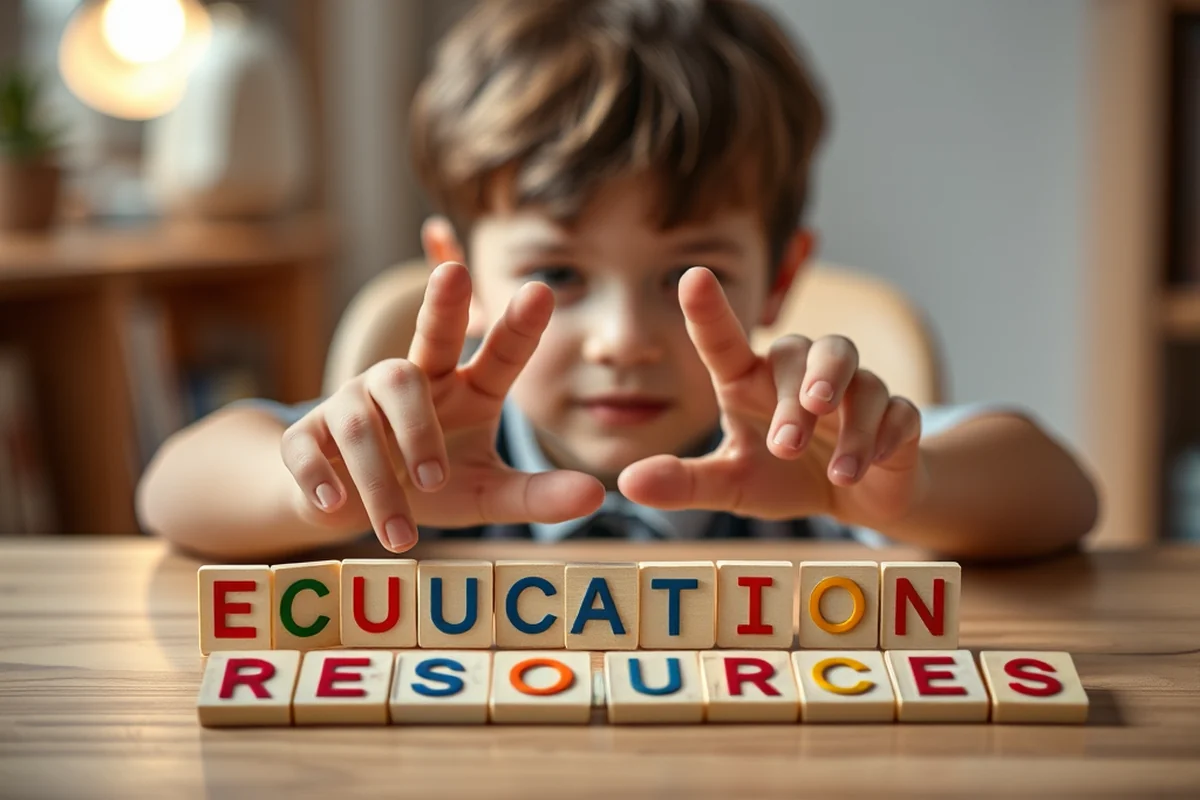
Traditional textbooks can be extremely expensive. For example, a single textbook for a college course can cost over $100, and students often need to buy several for a single semester. This financial burden can be overwhelming, especially for students from low-income backgrounds. (66.6%, libguides.dickinson.edu)[3]
In contrast, OER are free to use. According to a 2021 report by the U.S. Department of Education, students who used OER saved an average of $116 per course. Over the course of a four-year degree, that savings can add up to thousands of dollars. (65 percent, reportcenter.highered.texas.gov)[4]
These savings are not just a benefit for students — they also allow institutions to reallocate funds toward other important initiatives, such as student support services and faculty development.
Every dollar saved on textbooks is a dollar that can be invested in your future.
Related: How to online class
How OER Improve Learning Outcomes
Research has shown that students who use OER perform just as well — if not better — than students who use traditional textbooks. A 2019 study by the Open Education Group found that students using OER had higher course completion rates and better grades, particularly in STEM fields.
OER also allow for greater customization. Educators can modify content to fit the specific needs of their students, adding local examples or adjusting the difficulty level of the material. This flexibility can lead to a more engaging and effective learning experience.
Also, OER are often designed with accessibility in mind. Many resources include features such as text-to-speech capabilities and closed captions, making learning more inclusive for all students.
Look for OER that allow you to download and modify the content. This can be especially helpful if you're preparing for a test or need additional practice in a specific subject area.
“I remember the first time I stumbled upon a free, high-quality textbook for my college-level chemistry course.”— Online Course Reviews editors
Related: What is primavera online school
The Role of Educators in the OER Movement
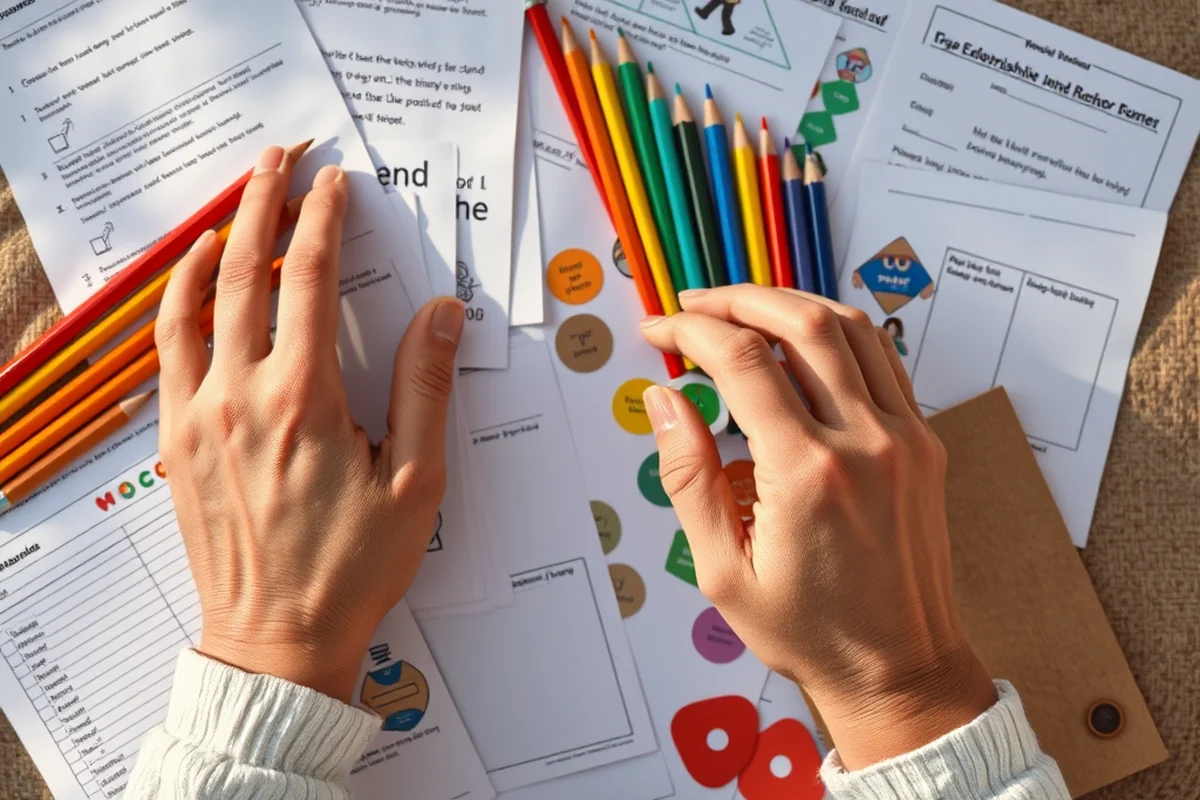
While many OER are developed by institutions or organizations, educators are often the ones who use and adapt these resources in the classroom. Teachers can contribute to the OER movement by creating their own open educational materials and sharing them with the wider community.
Collaboration is key in the OER movement. Educators can work together to develop high-quality resources that are freely available to all. This approach not only benefits their own students but also helps other educators around the world who may be teaching similar subjects.
By embracing OER, educators can break down barriers to learning and create a more equitable educational system. They can also reduce the financial burden on students and make learning more accessible to everyone.
Related: What is online business
The Benefits of OER for Institutions
For universities and colleges, OER can be a game-changer. By adopting OER, institutions can significantly reduce the cost of textbooks, which is a major expense for many schools. This can help institutions save money and invest in other important initiatives.
OER also have a positive impact on student success. When students have access to free, high-quality learning materials, they are more likely to complete their courses and graduate on time. This can lead to higher retention rates and better outcomes for students.
Also, OER encourage innovation in teaching and learning. Educators can experiment with new teaching methods and use technology in creative ways to enhance the learning experience.
Related: Online course about ai
The Global Impact of OER
OER are not limited to the United States — they have a global impact. In countries where access to educational resources is limited, OER can provide a lifeline for students and educators. These materials can be translated into multiple languages, making them accessible to learners around the world.
For example, the OpenStax initiative has partnered with universities in Africa, Asia, and Latin America to provide free textbooks to students in those regions. This has helped thousands of students gain access to high-quality educational materials that they might not have otherwise.
By promoting the use of OER, we can help bridge the educational gap between developed and developing countries. This can lead to more equitable access to education and better learning outcomes for all.
OER are a powerful tool for making education more inclusive and accessible worldwide.
Related: What is drivers ed online
Getting Started with OER
To begin using OER, you can start by searching online for resources that are freely available. Many OER are hosted on platforms such as OpenStax, MERLOT, and OER Commons. These platforms allow you to search for materials by subject, grade level, or resource type.
Once you've found a resource, make sure it is licensed under an open license such as Creative Commons. This will allow you to use, modify, and distribute the content freely. You can also look for OER that have been reviewed by educators or institutions to ensure their quality.
Finally, don't be afraid to customize the materials to fit your needs. Many OER are designed to be adaptable, allowing you to modify the content to suit your learning goals. This can be especially helpful if you're preparing for a test or need additional practice in a specific subject area.
The Challenges and Opportunities of Adopting OER in Rural and Underserved Communities
In rural and underserved communities, limited internet access and digital literacy can hinder the adoption of OER. For instance, a 2022 study by the International Association for the Evaluation of Educational Achievement found that only 38% of schools in remote areas had reliable broadband access, making it difficult for educators and students to access online OER platforms. This lack of infrastructure can create a significant gap in the use of OER compared to urban settings, where access is more consistent and reliable.
To address this, some organizations have implemented offline solutions, such as distributing OER on USB drives or using low-bandwidth websites. For example, a pilot program in Kenya provided 15,000 teachers with OER content on portable storage devices, resulting in a 40% increase in OER usage within six months. These strategies help bridge the digital divide by ensuring that even in areas with poor connectivity, educational resources remain accessible and usable.
Another opportunity lies in community-driven OER creation and sharing. In some rural regions, local educators and students collaborate to develop culturally relevant OER that better reflect the needs and context of their communities. One initiative in Nepal involved 200 teachers and students creating 500 open-access lesson plans tailored to local curricula, which were then shared across the country. This not only improves relevance but also builds a sense of ownership and engagement among learners and educators alike.
🎒 Younger Learners
OER for children include interactive games, colorful workbooks, and animated videos that make learning fun and engaging.
🎓 Older Students
For high school and college students, OER include full courses, research papers, and practice exams that help prepare for advanced studies.
⏱️ No-Prep Version
A no-prep version of OER allows users to download and use resources immediately, without needing to modify or adapt the content.
👥 Group Learning
OER can be used in group settings, such as in classrooms or study groups, to facilitate collaborative learning and discussion.
🧠 Extension Activities
Extension activities using OER can help deepen understanding and provide additional challenges for learners who are ready for more advanced material.
| The mistake | Why it happens | The fix |
|---|---|---|
| Using OER without checking the license. | Some OER are released under restrictive licenses that may limit how they can be used or shared. | Always check the license information before using an OER. This will help ensure that you're using the resource in a way that's permitted. |
| Assuming all OER are the same quality. | Not all OER are created equal. Some resources may be incomplete, outdated, or of poor quality. | Look for OER that have been reviewed by educators or institutions. These resources are more likely to be high quality and effective for learning. |
| Not adapting OER to fit your needs. | Some users may download OER without modifying the content to suit their learning goals or teaching style. | Take the time to customize the materials to fit your needs. This can help make the learning experience more effective and engaging. |
| Not sharing OER with others. | One of the key benefits of OER is that they can be shared with others. However, some users may not take advantage of this opportunity. | Consider sharing OER with other students, educators, or institutions. This can help promote the use of OER and make learning more accessible for all. |
Open Educational Resources
Common Questions
How can I find OER that are of high quality?
Are OER only available for certain subjects?
Can I use OER in my classroom?
Do I need any special equipment to use OER?
References
- ABANDONED UPON ARRIVAL: IMPLICATIONS FOR REFUGEES ... (govinfo.gov)
- Open Educational Resources in Colorado (cdhe.colorado.gov)
- Research Guides: Open Educational Resources (OER): Home (libguides.dickinson.edu)
- Open Educational Resources (OER) Grant Program (reportcenter.highered.texas.gov)
Cite this guide
Online Course Reviews (2026). Open Educational Resources: What They Are and How They Help Learning. https://evaluatemind.com/open-educational-resources/
Feel free to cite or share this guide.