
Online Training Ideas
📖 Table of Contents
- How to Choose the Right Online Training Tools
- Creating an Interactive Online Learning Environment
- Incorporating Gamification Techniques
- Designing Effective Online Training Content
- Using Real-World Examples to Enhance Learning
- Encouraging Student Collaboration in Online Training
- Providing Feedback and Support in Online Training
- Make It Your Way
- Frequently Asked Questions
I remember the first time I tried to create an online training program for my students. I had a vision of engaging lessons, interactive content, and a way to keep kids motivated from their own homes. But after a few weeks of trial and error, I realized how challenging it was to find the right 'online training ideas' that would both educate and entertain my students. It was during this time that I began to explore a variety of methods, tools, and creative approaches that eventually helped me transform my online classroom into a space of curiosity and learning.[4]
My journey taught me that the best 'online training ideas' don't come from generic templates or vague advice. They come from real-life applications, tested techniques, and a deep understanding of what works for different age groups and learning styles. Whether you're an educator, a parent, or a self-learner, finding the right balance between structure and creativity is key. That's why I've spent the last few years experimenting, collecting insights, and developing a list of proven 'online training ideas' that truly make a difference.[5]
What makes an online training program effective? It's not just about the content — it's about how that content is delivered, how it's tailored to the audience, and how it keeps people engaged. The best 'online training ideas' are those that are flexible, adaptable, and designed with both the learner and the instructor in mind. I've learned this the hard way, but now I can share my experiences and the lessons I've picked up along the way.
Why You'll Love This Online Training Approach
- Interactive and engaging for all age groups
- Easy to adapt and customize for different learning styles
- Supports both individual and group learning environments
- Encourages creativity and critical thinking
How to Choose the Right Online Training Tools
As of August 2026, when I first started, I tried using generic video platforms that didn't support interactive features. It didn't take long for me to realize that tools like Zoom, Microsoft Teams. Google Meet have features that make online training more engaging, such as breakout rooms, screen sharing, and real-time collaboration. I also discovered that platforms like Khan Academy and Coursera offer structured, curriculum-based training, which is ideal for more formal learning.[1]
Another key factor is the level of customization these tools allow. For example, using tools like Canva or Adobe Express can help create visually appealing presentations that make even the most complex concepts easier to understand. I once designed a lesson on fractions using Canva, and my students were so engaged that they asked for more lessons like that.
It's also important to consider the accessibility of these tools. Not every student has the same level of access to technology, so choosing tools that are compatible with different devices and have offline capabilities can be a game-changer. Tools like YouTube and Google Docs work well in this regard, as they are widely accessible and can be used even on low-bandwidth connections.
Testing with a small group allows you to see how your training tools perform in real time and identify any issues before rolling out the program to a larger audience.
Part of our Online training guide.
Creating an Interactive Online Learning Environment
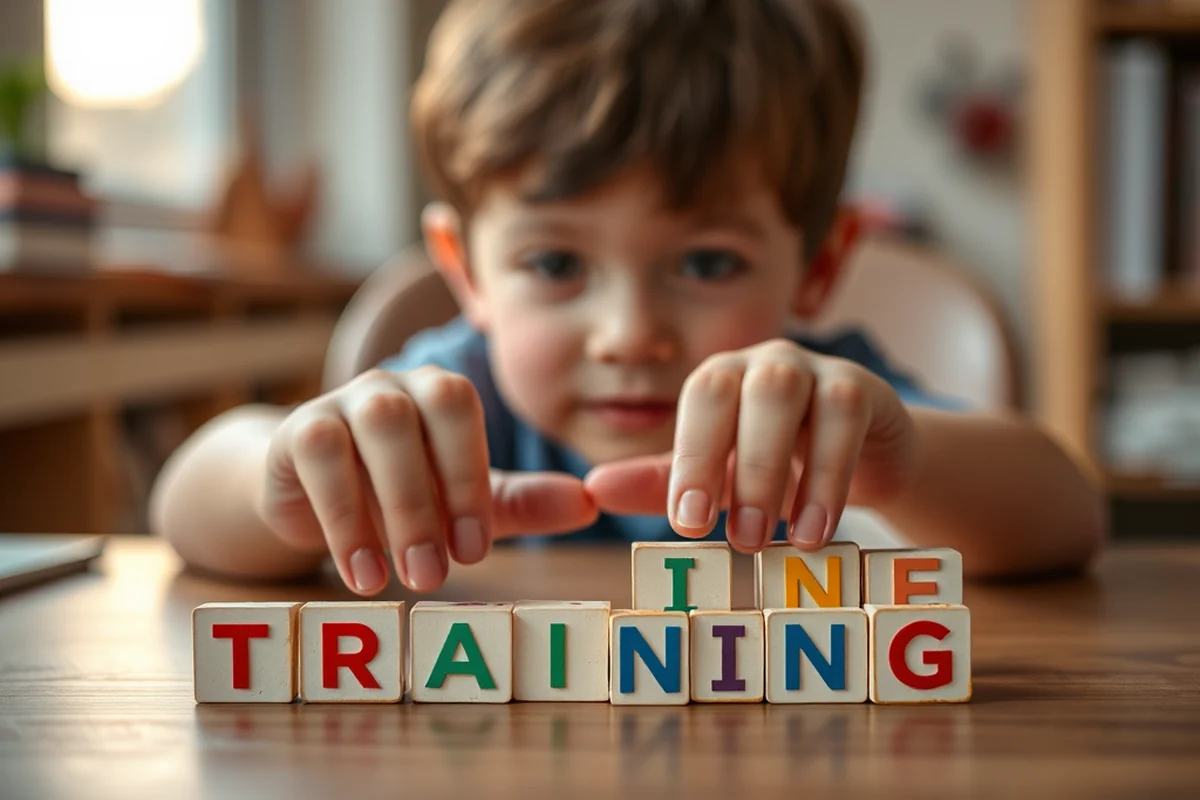
Interactive elements like quizzes, polls, and discussion forums can transform a passive learning experience into an active one. I've used tools like Mentimeter and Kahoot! For live quizzes during my online classes, and the response has been overwhelmingly positive. The students love the competition and the instant feedback they receive after answering questions.
Another way to create an interactive environment is by using breakout rooms for group activities. I once assigned students to small groups to work on a project, and the collaboration and creativity that emerged was incredible. It also helped build a sense of community among the students.
Including real-time feedback is another important aspect of interactivity. When students can see how they're performing and where they need to improve, it helps them stay motivated. Tools like Google Forms and Quizizz are great for providing immediate results and allowing students to track their progress over time.
Interaction is the key to unlocking the full potential of online learning.
Related: Training Budget Online
Related: How much online course
Related: Goethe online course review reddit
Related: Online dog training course reviews
Related: What is online course business
Related: How To Online Training
Related: Cyber Security Training
Related: Online It Training Programs
Related: What Online Training
Related: Online Training And Courses
Related: What Is Digital Marketing Institute
Incorporating Gamification Techniques
Gamification involves using game-like elements such as points, badges, and leaderboards to motivate students. I introduced a points system in my online classes, where students earned points for completing tasks and participating in discussions. The students were so motivated by the leaderboard that they started completing their assignments earlier and more thoroughly.
I also used a game-based learning platform called Classcraft, which turned my classroom into a fantasy world where students could earn rewards for good behavior and academic performance. The transformation was remarkable — students were more focused, and the classroom atmosphere was more positive.
Another gamification technique I've used is giving students the option to choose their own learning paths. This allows them to take ownership of their learning and explore topics that interest them the most. It also helps in catering to different learning styles and preferences.
It's important not to overwhelm your students with too many gamification elements at once. Start with one or two and gradually introduce more as your students become comfortable with the concept.
“I remember the first time I tried to create an online training program for my students.”— Online Course Reviews editors
Designing Effective Online Training Content

I've learned that the most effective online training content is concise, visually appealing, and easy to follow. I often use tools like Canva or Adobe Express to create infographics and visual guides that help explain complex concepts in a simple and engaging way. These visual aids make it easier for students to grasp the material and retain it longer.
Another important aspect of content design is the use of multimedia. Incorporating videos, animations, and audio can make learning more interactive and enjoyable. I've used YouTube videos to explain scientific concepts, and it has been incredibly effective in helping students visualize and understand the material.
I also make sure that all content is accessible to students with different learning needs. Providing transcripts for videos, using alt text for images, and ensuring that all materials are compatible with screen readers helps make the learning experience more inclusive and effective for everyone.
Using Real-World Examples to Enhance Learning
One of the most effective ways to enhance learning is by using real-world examples that students can relate to. I've used case studies and real-life scenarios in my online classes to show how concepts are applied in the real world. This helps students see the practical value of what they're learning and makes the material more engaging.[2]
For example, in a science class, I used a case study about a local environmental issue to teach students about ecosystems and biodiversity. The students were so invested in the topic that they even started researching ways to help improve their local environment.[3]
Using real-world examples also helps in making learning more personal. I've seen students become more motivated when they can see how the material relates to their interests, hobbies, or future careers. It helps them see the bigger picture and understand how what they're learning can impact their lives.
Encouraging Student Collaboration in Online Training
I've found that encouraging collaboration among students helps them learn from each other and develop important social skills. I've used group projects, peer reviews, and collaborative assignments to promote teamwork and communication. These activities not only help students work together but also encourage them to take ownership of their learning.
One of the most effective ways to promote collaboration is by using collaborative tools like Google Docs, Padlet, and Trello. These tools allow students to work together in real time, share ideas, and track their progress. I've used Google Docs for group assignments, and the level of collaboration and communication has been impressive.
Another way to encourage collaboration is by organizing virtual group discussions or debates. These activities help students practice critical thinking and develop their communication skills. I've seen students become more confident and articulate as a result of participating in these discussions.
Collaboration is the glue that holds a learning community together.
Providing Feedback and Support in Online Training
Feedback is an essential part of the learning process, and I've learned that providing timely and meaningful feedback can make a big difference in student performance. I've used tools like Google Forms and Quizizz to give students immediate feedback on their assignments and quizzes. This helps them understand where they need to improve and what they're doing well.
I also make sure to provide personalized feedback to each student. This helps them feel supported and encourages them to keep working hard. I've noticed that students who receive personalized feedback are more motivated and perform better in their assignments.
In addition to feedback, it's important to provide support through regular check-ins, office hours, and one-on-one meetings. These interactions help students feel connected to their instructors and give them a chance to ask questions and seek help when needed. I've found that students who have regular check-ins with their instructors are more likely to complete their assignments and achieve their learning goals.
🧑🎓 Younger Kids Online Learning
Interactive games and colorful visuals that keep young learners engaged and excited about learning.
🧍♂️ Older Kids Online Learning
More structured and project-based learning that encourages critical thinking and problem-solving skills.
⏱️ No-Prep Online Training
Quick and easy-to-use tools that require no preparation and can be used on the fly.
👥 Group Online Training
Collaborative learning experiences that promote teamwork and communication among students.
🚀 Extension Online Learning
Advanced learning opportunities that challenge students and help them develop deeper understanding of the subject.
| The mistake | Why it happens | The fix |
|---|---|---|
| Using too many gamification elements at once. | Overloading students with too many gamification elements can be overwhelming and reduce the effectiveness of the training program. | Start with small gamification elements and gradually introduce more as students become comfortable with the concept. |
| Failing to provide personalized feedback. | Students may feel unsupported and disengaged if they don't receive personalized feedback on their performance. | Use tools like Google Forms and Quizizz to provide immediate feedback, and offer one-on-one meetings for personalized guidance. |
| Ignoring the need for accessibility in online training tools. | Not all students have the same level of access to technology, so ignoring accessibility can limit the effectiveness of the training program. | Choose tools that are compatible with different devices and have offline capabilities. Ensure that all content is accessible to students with different learning needs. |
| Not encouraging collaboration among students. | A lack of collaboration can lead to a disengaged and isolated learning environment, reducing the overall effectiveness of the program. | Use collaborative tools and organize virtual group discussions, debates, and group projects to promote teamwork and communication. |
Online Training Ideas
Common Questions
How can I keep students engaged during online training sessions?
What are some effective online training tools for educators?
How can I provide personalized feedback to students in an online training environment?
What are some ways to encourage collaboration among students in online training?
Cite this guide
Online Course Reviews (2026). Online Training Ideas. https://evaluatemind.com/online-training-ideas/
Feel free to cite or share this guide.
References
- Is Online Learning Here to Stay? Trends & Insights for 2026 (calmu.edu)
- Online Courses and Certification Prep Classes | ed2go (careertraining.seark.edu)
- Online Training Resources - State.gov (2009-2017.state.gov)
- USA Staffing Online Training Registration Instructions - OPM (abrc-usastaffing.opm.gov)
- Online Courses | Flexible Certificate and Career Training Programs (bmcc.cuny.edu)