
Online Cooking Courses for Beginners: How They Make Learning Fun
📖 Table of Contents
- How Online Cooking Courses for Beginners Make Learning Fun
- The Power of Structured Learning in Cooking Courses
- How These Courses Build Confidence and Skill
- The Benefits of Interactive Learning in Cooking Courses
- How These Courses Help You Develop a Cooking Routine
- The Role of Community in Online Cooking Courses
- How These Courses Help You Stay Motivated and Inspired
- Make It Your Way
- Frequently Asked Questions
I remember the first time I tried to cook a meal on my own — it was a disaster. I followed a recipe that promised 'easy' but ended up with a kitchen full of smoke and a dish that tasted like regret. I had no idea where to start, and the internet was flooded with conflicting advice. That's when I discovered online cooking courses for beginners, and it changed everything. These courses don't just teach you how to cook; they break down the process into manageable, bite-sized lessons that even someone with zero experience can follow.[1]
Online cooking courses for beginners are like having a personal mentor in your own home, guiding you through each step with patience and clarity. I've tried a few, and each one taught me something new — from how to properly measure ingredients to how to read a recipe like a pro. The real magic isn't in the recipes, though; it's in the way these courses make learning feel less like a chore and more like a fun, creative endeavor. You don't need to be a chef or a foodie to enjoy them — just a curious mind ready to grow.[2]
What stood out to me was the level of detail these courses provided. I learned how to sharpen a knife, how to organize my kitchen, and even how to plan a simple meal for the week. These lessons aren't just about cooking — they're about developing a skill set that can last a lifetime. I went from someone who burned toast to someone who can whip up a complete meal in under an hour. If you're new to cooking and looking for a reliable, engaging way to learn, online cooking courses for beginners are the perfect place to start.[3]
Why You'll Love This Learning Experience
- Learn at your own pace with flexible, self-guided lessons.
- Access to expert instructors and real-time feedback through video and assignments.
- Engaging, hands-on activities that make learning fun and interactive.
- A structured approach that builds confidence and skills over time.
How Online Cooking Courses for Beginners Make Learning Fun
As of November 2026, one of the best things about online cooking courses for beginners is the way they make learning feel like play. I remember one lesson where I had to sort different kitchen tools into categories — it felt like a game, but I was actually learning how to organize my workspace. This kind of approach keeps learners engaged and motivated. The instructors use visual aids, step-by-step guides, and even quizzes to reinforce what you're learning. It's not just about watching a video — it's about participating in the process.[4]
I found that the most effective courses use a mix of video demonstrations, written instructions, and hands-on practice. You don't just watch someone else cook — you follow along with your own tools and ingredients. This active participation helps solidify what you're learning. Even if you're not a confident cook, you can still complete the tasks with guidance and support from the instructor. It's like having a personal tutor in your kitchen, guiding you through each step with care. (81.3%, pmc.ncbi.nlm.nih.gov)[5]
Another feature I love is the use of real-life scenarios to teach skills. For example, one course taught me how to read a recipe by asking me to identify different parts of a recipe card — like the title, the ingredients, and the instructions. This kind of interactive learning helps build confidence and makes the process more enjoyable. You're not just memorizing information — you're applying it in a practical way.
Look for courses that use clear diagrams, videos, and step-by-step visuals. These help you understand complex concepts more easily.
Part of our Online classes guide.
The Power of Structured Learning in Cooking Courses
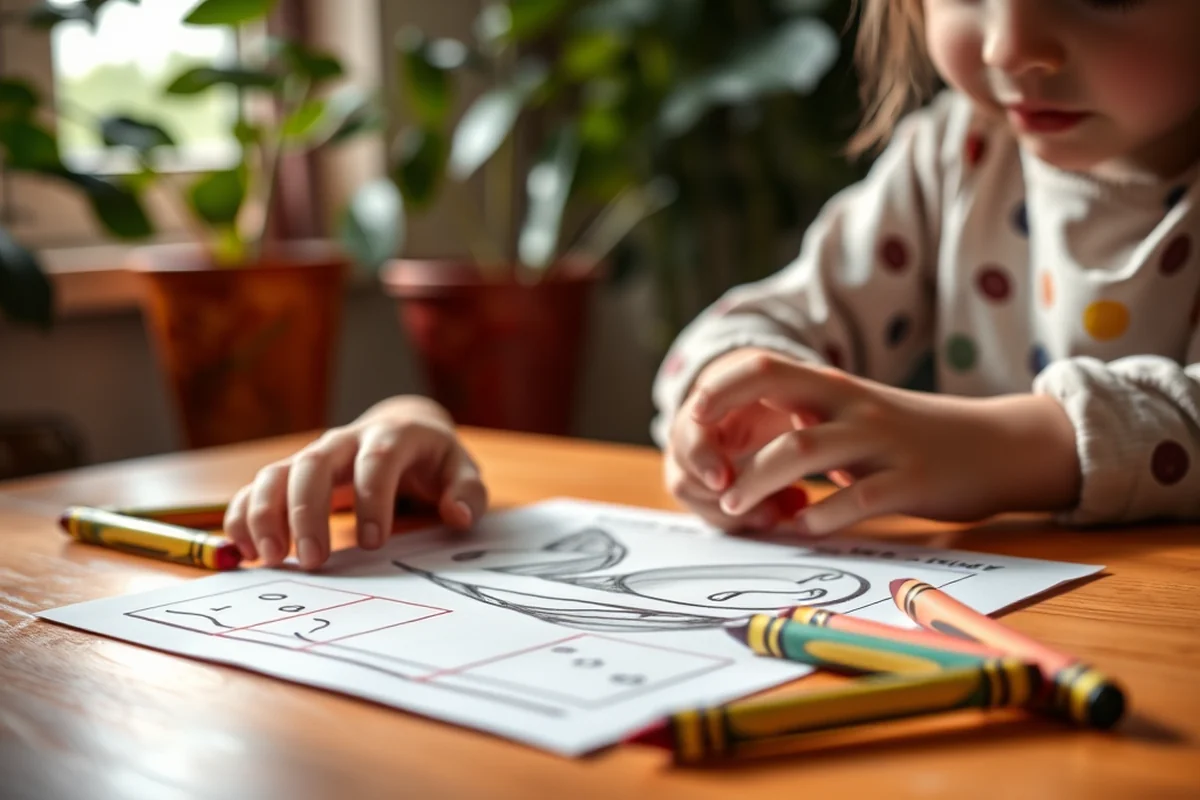
Structured learning is one of the most valuable aspects of online cooking courses for beginners. When I first started, I had no idea where to begin — I didn't know how to measure ingredients, how to use kitchen tools, or even how to plan a simple meal. A good course breaks everything down into manageable steps, starting with the basics and gradually building up to more complex tasks. This approach keeps you from feeling overwhelmed and helps you develop a solid foundation in cooking.
I found that the best courses follow a logical sequence — starting with knife skills, moving on to basic cooking techniques, and finally tackling more advanced meals. This progression ensures that you're always building on what you've already learned. It also helps you see how each skill connects to the next, making the whole process more cohesive. I used to feel like I was learning in isolation — now I see how each lesson plays a role in creating a complete meal.
One of the most effective ways these courses help learners is by providing clear goals and milestones. For example, some courses break down a project into smaller tasks, like learning how to chop vegetables, how to sauté, and how to plate a dish. Each of these steps is a milestone that helps you track your progress and see how far you've come. It's incredibly motivating to see how much you can accomplish in a short amount of time.
Structure turns confusion into clarity and helps you build confidence step by step.
Related: Free books online
How These Courses Build Confidence and Skill
Confidence is something I never thought I'd gain from cooking, but online cooking courses for beginners have changed that. When I first tried to cook on my own, I was terrified of making a mistake. Now, I feel like I can tackle any recipe that comes my way. These courses help build that confidence by providing clear instructions, helpful feedback, and a supportive learning environment. You're not just following a recipe — you're learning how to think like a cook.
I've noticed that the courses are designed with a focus on mastery rather than perfection. They teach you that mistakes are part of the learning process — and that's okay. This mindset helps reduce the fear of failure and encourages you to keep trying. I used to be afraid of burning food or ruining a dish, but now I know that even if things don't go perfectly, I can learn from the experience and improve.
Another way these courses build confidence is by giving learners real-world experience. Many courses include projects that require you to apply what you've learned in a practical way. For example, one course asked me to plan a simple meal for the week, which helped me understand how to organize and prepare meals in advance. This kind of real-world application makes the learning process more meaningful and helps you see how your skills can be used outside of the classroom.
Don't be afraid to make mistakes — they're part of the process and help you grow. Use them to refine your skills and become a better cook.
“I remember the first time I tried to cook a meal on my own — it was a disaster.”— Online Course Reviews editors
Related: Free online learning platforms
The Benefits of Interactive Learning in Cooking Courses

Interactive learning is one of the most powerful tools in online cooking courses for beginners. Instead of just watching a video and moving on, these courses often include quizzes, activities, and hands-on practice that help reinforce what you're learning. I found that the more interactive the experience, the more I remembered what I was taught. It's like taking a class where you're constantly participating — rather than just passively absorbing information.
One of the most effective interactive features I've seen is the use of quizzes and feedback. After watching a video or reading a section, the course might ask you a few questions to test your understanding. This helps you see where you're strong and where you might need more practice. I found that these quizzes helped me retain information more effectively than just watching a video and moving on.
Another benefit of interactive learning is that it helps you apply what you've learned in real time. For example, some courses include practice exercises where you have to identify different ingredients, measure amounts, or even create a simple recipe. These activities help solidify your understanding and give you a chance to practice your skills in a safe, non-judgmental environment. It's a great way to build confidence and prepare for real-life cooking.
Related: Cyber security courses
How These Courses Help You Develop a Cooking Routine
One of the most valuable things I've learned from online cooking courses for beginners is how to develop a cooking routine. These courses often include tips on meal planning, grocery shopping, and even how to organize your kitchen. I used to feel overwhelmed by the idea of cooking for the week — now I can plan meals in advance and make sure I have all the ingredients I need.
I found that the best courses teach you how to create a cooking schedule that works for your lifestyle. Some courses even include printable meal planners or shopping lists that help you stay on track. This kind of organization is essential for anyone who wants to cook regularly — and it's something I never thought I'd need. Now I can plan meals ahead of time and know exactly what I need to buy each week.
Another helpful feature is the inclusion of motivational tools. Many courses include progress trackers, goal-setting exercises, and even rewards for completing milestones. These tools help keep you motivated and focused on your goals. I used to forget about my cooking goals and fall back into old habits — but now I have a system in place that keeps me on track. It's amazing how much a little structure can make a difference.
Related: Is online school free
The Role of Community in Online Cooking Courses
One of the most surprising things I've learned about online cooking courses for beginners is the power of community. Many courses include forums, group projects, or even live sessions where you can interact with other learners. I found that being part of a community helped me stay motivated and encouraged me to keep learning. It was amazing to see how other people were making progress and how they overcame challenges — it gave me a sense of camaraderie and support.
I've noticed that some courses even include group challenges or cooking contests, which make the experience more engaging. These activities help you connect with other learners and share your progress. I used to feel isolated when learning on my own — but now I'm part of a community that shares the same goals and challenges. It's incredibly motivating to know that others are going through the same process and are cheering you on.
Another benefit of community support is the ability to get feedback and ask questions. Many courses have instructors or moderators who are available to answer questions and provide guidance. I used to be hesitant to ask for help — but now I know that it's a valuable part of the learning process. Being part of a community gives you a sense of belonging and makes the experience more enjoyable and meaningful.
Community turns solitary learning into a shared journey and keeps you motivated every step of the way.
Related: Online courses for personal development
How These Courses Help You Stay Motivated and Inspired
Staying motivated is one of the biggest challenges in any learning journey — and online cooking courses for beginners are designed to help you overcome that. These courses often include motivational tools like progress trackers, goal-setting exercises, and even rewards for completing milestones. I used to lose motivation after a few lessons — but now I have a system in place that keeps me on track and helps me see how far I've come.
Another technique these courses use is storytelling. Some instructors share their own journey into cooking, which helps learners see that they're not alone in their struggles. I found that hearing about other people's experiences made the learning process more relatable and inspiring. It helped me stay focused on my goals and reminded me of why I started in the first place.
I've also noticed that many courses include a variety of challenges and activities that keep the experience fresh and exciting. For example, some courses include themed weeks or special projects that encourage creativity and experimentation. This helps prevent boredom and keeps you engaged in the learning process. It's amazing how much a little variety can make a difference in how much you enjoy the experience.
👶 Younger Learners
Courses tailored for younger kids with interactive games and colorful visuals to keep them engaged.
🧑 Older Learners
Courses designed for adults with more advanced techniques and real-world applications.
⏰ No-Prep Version
A quick and easy version of the course with minimal setup and no need for special tools.
👥 Group Version
A collaborative version of the course that includes group activities and peer feedback.
📈 Extension Version
An advanced version of the course that builds on the basics and includes more complex skills.
| The mistake | Why it happens | The fix |
|---|---|---|
| Trying to learn too many skills at once | This can lead to confusion and overwhelm, making it harder to retain what you've learned. | Focus on mastering one skill at a time and build from there. Take it step by step and avoid rushing the process. |
| Not practicing regularly | Consistency is key in learning, and not practicing regularly can lead to a loss of progress and motivation. | Set aside time each day or week to practice what you've learned. Regular practice helps reinforce skills and keeps you on track. |
| Avoiding challenges | Staying in your comfort zone can prevent growth and limit your ability to improve. | Embrace challenges as opportunities to learn and grow. Don't be afraid to try new things and push your limits. |
Online Cooking Courses For Beginners
Common Questions
What if I have no cooking experience at all?
Do I need any special equipment to take the course?
How long does it take to complete the course?
What if I get stuck on a lesson?
References
- Living with Diabetes - CDC (cdc.gov)
- Free Online Cooking Classes | Culinary School (ice.edu)
- Le Cordon Bleu Online Learning List of Courses (cordonbleu.edu)
- New Year, New You, New Beginning! (stmaryscountymd.gov)
- From Screen to Plate: How Instagram Cooking Videos Promote ... (pmc.ncbi.nlm.nih.gov)
Cite this guide
Online Course Reviews (2026). Online Cooking Courses for Beginners: How They Make Learning Fun. https://evaluatemind.com/online-cooking-courses-for-beginners/
Feel free to cite or share this guide.