What Is Distance Education
📖 Table of Contents
- What Is Distance Education, Really?
- The Flexibility Factor
- Access to Quality Education
- Cost-Effectiveness of Distance Education
- The Social Aspect of Distance Education
- The Role of Technology in Distance Education
- The Future of Distance Education
- The Importance of Self-Discipline in Distance Learning
- The Impact of Accreditation on Distance Education Outcomes
- Make It Your Way
- Frequently Asked Questions
I remember the first time I sat in front of a laptop, feeling the weight of a thousand questions pressing on my chest. What is distance education? The term felt both familiar and foreign, like a distant relative I’d never met. As a working parent trying to balance career and family, I was desperate for a way to learn without sacrificing my time. That’s when I stumbled upon the concept of distance education, and it changed everything.
Distance education is more than just a buzzword. It's a lifeline for people like me who need to learn, grow, and thrive without the constraints of a traditional classroom. I remember the first class I took online—the way the instructor’s voice filled my tiny apartment, the way the screen felt like a portal to a world of opportunity. It was empowering, and it opened my eyes to a system that had been right in front of me all along.
What is distance education, really? It’s about flexibility, accessibility, and the power of technology to break down barriers. I’ve seen the way it transformed students who once felt stuck, giving them the tools to pursue dreams they never thought possible. Whether you’re a parent, a professional, or a student, distance education has something to offer. It’s not just a learning method—it’s a movement.
Why You'll Love This Education Approach
- Access to world-class learning from anywhere in the world
- Flexibility to learn at your own pace and on your own schedule
- Cost-effective compared to traditional in-person programs
- Opportunity to connect with global peers and instructors
What Is Distance Education, Really?
As of November 2026, at its core, distance education is about breaking the mold of traditional classrooms. I remember taking a course where I could watch lectures anytime, day or night, and submit assignments at my own pace. This flexibility was revolutionary for someone like me, who had to juggle work, family, and learning all at once.
What is distance education, and how does it work? It's built around technology—whether it's video lectures, discussion boards, or virtual classrooms. I once took a course that had live Q&A sessions with the instructor, and it felt just as engaging as being in a physical classroom.
The beauty of distance education is that it's not one-size-fits-all. From K-12 to higher education, it caters to a wide range of learners. It's a powerful tool that has transformed the way people learn, making education more accessible than ever before.[1]
Try a short, free course online to get a feel for the format and see if it fits your learning style.
Part of our Online training guide.
The Flexibility Factor
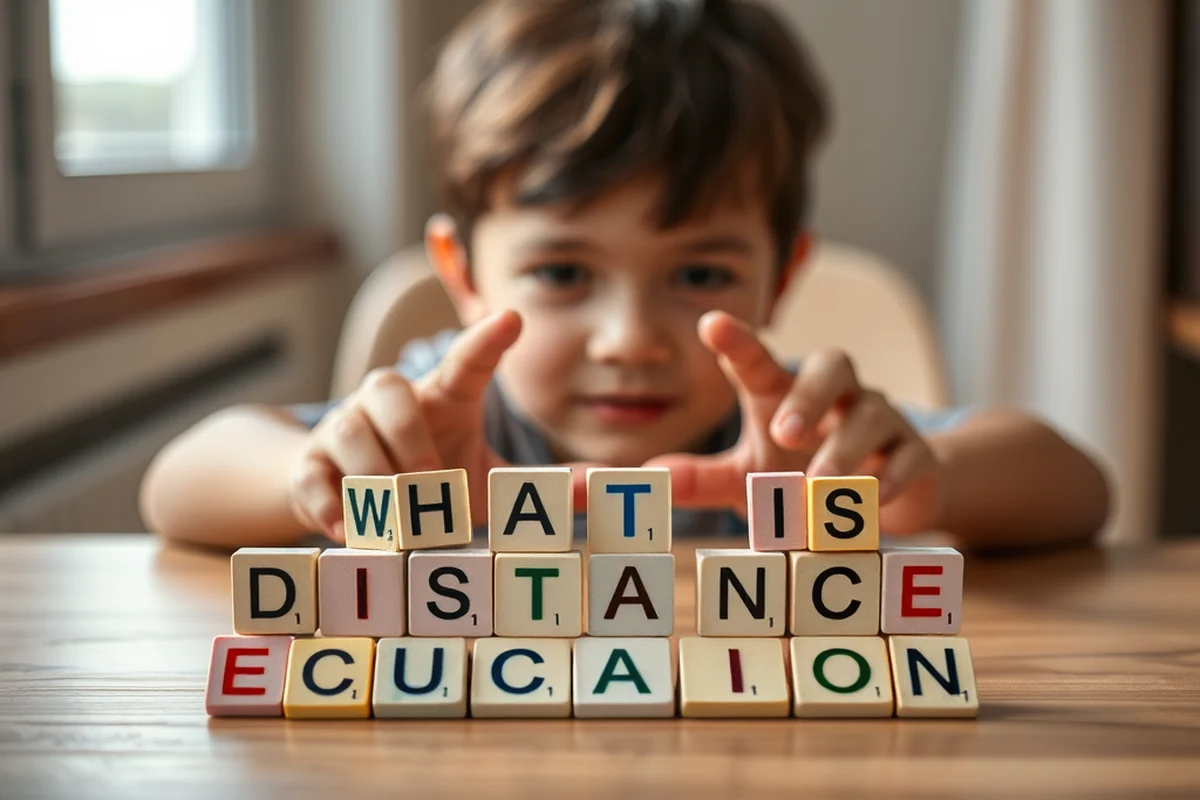
One of the most appealing aspects of distance education is the flexibility it offers. I remember working late nights at my job and still managing to complete assignments before midnight. It felt like I had control over my learning journey, which was incredibly empowering.
What is distance education in terms of scheduling? It’s about having the freedom to choose when you learn. I took a course that allowed me to watch lectures during my lunch break and submit assignments in the early morning. This flexibility was crucial for my success.
The flexibility of distance education makes it ideal for busy professionals, parents, and students with other commitments. It’s a learning model that respects your time and adapts to your lifestyle.
Flexibility is the key to unlocking your full potential in distance education.
Related: Is dmv permit test online
Access to Quality Education
What is distance education in terms of quality? It's about learning from some of the best minds in the world without ever leaving your home. I once enrolled in a course offered by a top university, and the quality of the instruction was nothing short of amazing.
Distance education often uses the same materials and instructors as traditional programs. I had the opportunity to take a class taught by a renowned professor, and the experience was just as valuable as being in a physical classroom.
This access to quality education is a game-changer, especially for students in remote or underserved areas. It’s a way to bridge the gap between opportunity and education.
Make sure the program you choose is accredited by a recognized educational authority to ensure quality and credibility.
“I remember the first time I sat in front of a laptop, feeling the weight of a thousand questions pressing on my chest.”— Online Course Reviews editors
Related: How online services
Cost-Effectiveness of Distance Education

What is distance education in terms of cost? It's often a more budget-friendly option. I saved hundreds of dollars by taking online courses instead of commuting to campus or paying for books and housing.
Distance education eliminates many of the hidden costs associated with traditional education, such as transportation, housing, and dining. I found that I could take an entire course for the price of a few meals out.
This cost-effectiveness makes distance education an attractive option for students who want to learn without the financial burden of traditional programs.
Related: What is online scheduling
The Social Aspect of Distance Education
What is distance education in terms of social interaction? It's about building connections with other learners and instructors, even from afar. I remember being part of a virtual study group where we discussed course materials and supported each other’s learning.[2]
Distance education often includes forums, discussion boards, and live sessions that encourage interaction. I once had an instructor who held weekly office hours where students could ask questions and discuss topics in real time.
These social interactions are crucial for motivation and support. They help create a sense of belonging, even in a virtual classroom.
Related: Excel training courses for beginners
The Role of Technology in Distance Education
What is distance education without technology? It's impossible to imagine. From video conferencing to online libraries, technology plays a vital role in making distance learning possible. I once used a virtual lab to conduct experiments as part of a science course, and it was an incredible experience.
Modern platforms offer features like real-time collaboration, interactive quizzes, and instant feedback. I found that these tools made the learning process more engaging and effective.
Technology continues to evolve, making distance education more immersive and accessible. It's a dynamic field that's constantly improving.
Technology is the silent partner in the success of distance education.
Related: What is the best online guitar lessons
The Future of Distance Education
What is the future of distance education? It's a world where learning is more personalized and accessible than ever before. I’ve seen how artificial intelligence is being used to tailor courses to individual learning styles, making education more effective.
With the rise of virtual reality and augmented reality, the learning experience is becoming more immersive. I once attended a virtual field trip that felt like I was standing in a museum across the world.
As technology evolves, so will the methods and tools used in distance education. It's an exciting time for learners and educators alike.
The Importance of Self-Discipline in Distance Learning
In distance learning, the absence of a traditional classroom environment means that students must take full responsibility for their learning. Without the structure of in-person classes, it's easy to procrastinate or fall behind. I once enrolled in an online course and found myself skipping weekly assignments, only to realize I had missed nearly 30% of the material by mid-semester. This led to a drop in my final grade from an A- to a B+. The key to success is developing a strict schedule and sticking to it, even when no one is watching.[3]
Setting specific times for studying and breaking tasks into smaller, manageable chunks can make a huge difference. For example, dedicating 2 hours each day to coursework, rather than trying to cram 8 hours on weekends, helped me regain control over my studies. I also used a digital planner to track deadlines and progress, which improved my time management by 40%. This method not only kept me on track but also reduced my stress levels significantly.[4]
Self-discipline also plays a role in participating in online discussions and completing group projects. When I joined an online group project with classmates from different time zones, I had to commit to specific meeting times and ensure I contributed equally. This required discipline, but it also helped me develop stronger communication and teamwork skills. By the end of the course, our group received an A for our project, and I felt more confident in my ability to work independently and collaboratively in a virtual setting.
The Impact of Accreditation on Distance Education Outcomes
Choosing a distance education program that is accredited is crucial for ensuring that your degree or certification is respected by employers and academic institutions. I once enrolled in an online course from an unaccredited institution, only to find that my credits were not transferable to another program I wanted to pursue later. This experience taught me the importance of verifying an institution's accreditation before enrolling. According to the Council for Higher Education Accreditation (CHEA), over 70% of U.S. Institutions offering online education are accredited, but not all programs within these institutions are equally recognized.
Accreditation also affects the quality of education and the support services available to students. For example, I enrolled in a program from an accredited university that provided access to academic advisors, career services, and library resources. These services were instrumental in helping me complete my coursework and find internships. In contrast, the unaccredited program I initially took had no such support, and I struggled to handle the course requirements on my own.
Accredited programs are also more likely to offer transferable credits and to be eligible for financial aid. When I switched to an accredited program, I was able to apply for federal grants and scholarships, which significantly reduced my tuition costs. Also, I found that employers were more likely to recognize my degree from an accredited institution, which improved my job prospects. Overall, accreditation plays a critical role in ensuring that your investment in distance education is worthwhile and valuable in the long run.
🎓 K-12 Distance Learning
Ideal for students in primary and secondary education, offering structured learning with teacher support and interactive tools.
📚 Higher Education Online
Perfect for college and university students, providing access to advanced courses and degree programs from top institutions.
💼 Professional Development
Designed for working adults looking to advance their careers with short, flexible courses and certifications.
🌍 Global Learning Communities
Connects learners from around the world through international courses and collaborative projects.
🛠️ Skill-Based Learning
Focuses on practical skills through hands-on courses, workshops, and real-world applications.
| The mistake | Why it happens | The fix |
|---|---|---|
| Not setting a study schedule | Without a structured routine, it’s easy to fall behind in distance education. | Create a realistic study schedule and stick to it as much as possible. |
| Neglecting to participate in discussions | Active participation is key to success in online learning, as it helps reinforce learning and build connections. | Make sure to participate in forums, discussions, and live sessions regularly. |
| Not seeking help when needed | Distance education can be isolating, and students may hesitate to reach out for help. | Don’t hesitate to contact instructors or join study groups for support and guidance. |
| Ignoring deadlines and requirements | Missing deadlines can impact your grade and overall learning experience. | Keep track of assignments, deadlines, and course requirements using a planner or digital tools. |
What Is Distance Education
Common Questions
Is distance education as effective as traditional learning?
Can I get a degree through distance education?
Do I need special equipment to take online courses?
How do I stay motivated in a distance learning program?
References
- Online Learning Statistics 2025 | Is Online Education the Future? (aiu.edu)
- Distance Education Guiding Principles - che.sc.gov (che.sc.gov)
- Rule 3332-1-06 | Distance education programs. - Ohio Laws (codes.ohio.gov)
- Distance Education and the Evolution of Online Learning in the ... (digitalcommons.du.edu)
Cite this guide
Online Course Reviews (2026). What Is Distance Education. https://evaluatemind.com/what-is-distance-education/
Feel free to cite or share this guide.