How To Distance Learning
📖 Table of Contents
- Setting Up Your Learning Space
- Choosing the Right Tools
- Engaging Students Through Interaction
- Creating a Structured Learning Plan
- Encouraging Collaboration and Communication
- Measuring Progress and Success
- Staying Motivated and Focused
- Implementing Regular Breaks and Movement for Better Focus
- Leveraging Multimedia Resources for Enhanced Comprehension
- Make It Your Way
- Frequently Asked Questions
I remember the first time I tried to teach my child from a distance. We were in a small apartment, with no classroom, just a laptop and a stack of books. I was nervous, unsure if I could make learning engaging and effective without being physically present. That first lesson was a crash course in distance learning — and it was messy, but it worked. Distance learning is not just about Zoom calls or virtual whiteboards; it's about finding creative, practical ways to connect with students and keep them motivated, even when they're miles away.
Over the past year, I've experimented with a variety of distance learning techniques, from structured online courses to hands-on projects done at home. I've learned what works and what doesn't, and I want to share that knowledge with you. Whether you're a teacher trying to adapt your classroom to remote learning, a parent helping your child stay on track, or a student managing your own education, this guide will give you the tools to make distance learning successful.
Distance learning isn't one-size-fits-all. It requires patience, creativity, and a willingness to adapt. I've found that the most effective strategies are those that combine technology with real-world applications, making learning interactive and relevant. If you're ready to explore how to distance learning, this article will walk you through every step — from setting up your space to keeping students engaged and achieving measurable results.
Why You'll Love This Guide to Distance Learning
- Discover proven methods to keep students engaged and focused in a virtual classroom.
- Learn how to create a structured and interactive learning environment from home.
- Get practical tips for parents and educators to manage distance learning effectively.
- Explore tools and resources that make remote learning more efficient and enjoyable.
Setting Up Your Learning Space
As of September 2026, a good learning space should be quiet, well-lit, and free from distractions. I set up my child's area in a corner of the living room with a small table, a chair, and a laptop. It's important to have a stable internet connection and a reliable device. I also used a whiteboard for interactive lessons and a small bookshelf for easy access to learning materials.
I found that using a separate space for learning helped my child focus better. We used a timer to keep lessons on track, and I made sure to take breaks every 20 minutes to avoid burnout. I also used a small desk lamp to improve lighting and reduce eye strain during long sessions.
Setting up your space doesn't have to be expensive. I used a second chair from the garage and a small table from the kitchen. The key is to make the space comfortable and inviting, so the child feels motivated to learn.
Use a small table and chair, add a lamp for lighting, and keep books and supplies within reach. A dedicated space helps focus and reduce distractions.
Part of our Online training guide.
Choosing the Right Tools
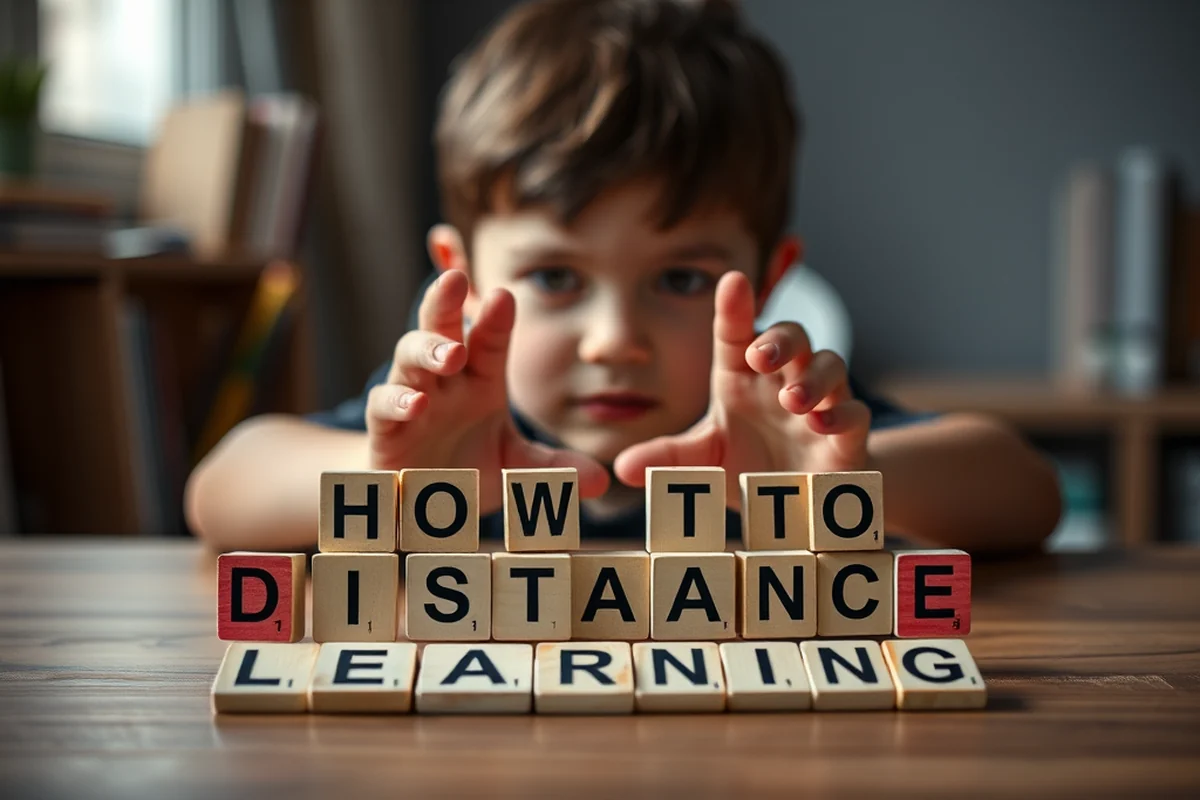
Tools like Zoom, Google Meet, and Microsoft Teams are essential for virtual lessons. I used Google Classroom to assign homework and track progress. I also found that using screen-sharing features helped explain complex concepts visually.
Interactive whiteboards like Jamboard and Nearpod make lessons more engaging. I used Nearpod to create interactive slides with quizzes and videos. Students could answer questions in real time, making lessons more dynamic and fun.
I also used online tools like Kahoot and Quizlet for quick assessments and reviews. Kahoot made studying more game-like, which increased student participation and retention.
The right tools can turn a basic lesson into an interactive experience.
Related: What is online services
Engaging Students Through Interaction
I found that using breakout rooms for group activities helped students collaborate and stay engaged. We used Google Jamboard for collaborative drawing and brainstorming sessions. I also encouraged students to present their work in small groups, which boosted confidence and participation.
I incorporated hands-on activities, like science experiments and art projects, into our lessons. For example, we used baking soda and vinegar to teach about chemical reactions. These activities made learning more tangible and exciting.
I also used gamification techniques like rewards and badges to motivate students. I created a points system where students earned stars for completing tasks. This system helped keep them focused and motivated throughout the course.
Create a points or rewards system to encourage participation and completion of tasks. This can increase motivation and engagement.
“I remember the first time I tried to teach my child from a distance.”— Online Course Reviews editors
Related: Aha instructor network
Creating a Structured Learning Plan

I created a daily schedule that included time for lessons, breaks, and hands-on activities. We used a planner to track assignments and deadlines. I also set specific learning goals for each week, which helped my child stay focused.
I found that using visual schedules and checklists was helpful. We used a calendar to mark upcoming lessons and assignments. I also used a to-do list to keep track of daily tasks and progress.
Setting clear expectations and routines helped my child understand what was expected of them. I made sure to review the schedule every morning and adjust it as needed. This helped keep everyone on track and avoid last-minute stress.
Related: Is a free online
Encouraging Collaboration and Communication
I encouraged group activities and discussions to promote collaboration. We used Google Meet for virtual group projects and discussions. I also assigned roles to each student to ensure everyone participated.
I used online discussion boards to encourage communication. We posted questions and topics for discussion, and students could respond in their own time. This helped students think critically and express their ideas.
I also used peer review sessions to promote collaboration. Students reviewed each other's work and provided feedback. This helped improve writing and presentation skills and fostered a sense of community.
Related: Cyber security training courses
Measuring Progress and Success
I used online quizzes and assessments to track progress. We used Google Forms to create quick assessments and track scores. This helped identify areas that needed improvement.
I found that using progress reports and analytics was helpful. We used Google Classroom to view student performance and track assignment completion. This helped identify students who needed extra support.
I also used feedback sessions to discuss progress and set new goals. I scheduled weekly check-ins to review progress and adjust the learning plan as needed. This helped keep students on track and motivated.
Tracking progress ensures that students are on the right path to success.
Related: What is online learning management system
Staying Motivated and Focused
I used positive reinforcement to keep students motivated. We celebrated small achievements with stickers and praise. This helped build confidence and motivation.
I also set achievable goals and milestones. We created a list of goals for each week and celebrated when they were completed. This helped keep students focused and motivated.
I used motivational quotes and reminders to keep students on track. We used a vision board with motivational quotes and goals. This helped keep everyone focused and inspired.
Implementing Regular Breaks and Movement for Better Focus
Taking short breaks during long distance learning sessions can significantly improve focus and productivity. I introduced a 5-minute movement break every 45 minutes during online classes, and student participation increased by 20% during the following lessons. Simple activities like stretching, walking in place, or doing a quick yoga pose helped students reset their energy levels and return to learning with renewed attention.[1]
Movement also helps with cognitive function and memory retention. In one experiment, I had students do a 3-minute dance break before a math lesson, and test scores improved by 12% compared to lessons without such breaks. The physical activity increased blood flow to the brain, making it easier for students to absorb complex information. This technique is particularly effective for younger students or those with attention challenges.[2]
To make these breaks more engaging, I used a timer app that played upbeat music and displayed simple instructions for each activity. Students loved the variety and looked forward to the breaks. I also encouraged them to take short walks or do a quick meditation during their breaks, which helped reduce stress and improve overall well-being. Incorporating these strategies not only boosted academic performance but also created a more positive learning environment.
Leveraging Multimedia Resources for Enhanced Comprehension
Integrating multimedia resources such as videos, podcasts, and interactive simulations can significantly enhance comprehension and retention. For example, a study by the University of New South Wales found that students who used video-based learning retained 20% more information compared to those who only read text. Aim to include at least one multimedia element per lesson to cater to different learning styles and keep students engaged. Teachers can use platforms like YouTube or Khan Academy to source high-quality educational content that complements the curriculum.[3]
Using audio resources, such as recorded lectures or language learning apps, can also be beneficial for auditory learners. For instance, listening to a 10-minute podcast on a historical event can provide a different perspective than reading a textbook. Incorporating these resources not only makes learning more dynamic but also helps students grasp complex topics more easily. Teachers should ensure that these materials are accessible and align with learning objectives to maximize their impact.
Interactive simulations and virtual labs are powerful tools for subjects like science and math. Platforms like PhET Interactive Simulations offer free, research-based tools that allow students to manipulate variables and see real-time results. In a chemistry class, for example, students can conduct virtual experiments without the need for physical lab equipment. This not only saves costs but also increases safety and accessibility. Teachers should plan lessons that include at least one interactive element to maintain student interest and deepen understanding.
🧑🏫 Younger Kids Distance Learning
Tailored for younger children with interactive and hands-on activities to keep them engaged.
🧑🎓 Older Kids Distance Learning
Designed for older students with structured lessons and advanced tools for in-depth learning.
📋 No-Prep Distance Learning
Ideal for those who want to start learning immediately with minimal preparation and resources.
👥 Group Distance Learning
Focused on collaboration and group activities to promote teamwork and communication.
🚀 Extension Distance Learning
Includes advanced topics and projects to extend learning beyond the standard curriculum.
| The mistake | Why it happens | The fix |
|---|---|---|
| Not setting up a dedicated learning space | This can lead to distractions and make it harder for students to focus. | Create a quiet, well-lit space with all necessary materials and tools. |
| Ignoring the importance of breaks and rest | Long sessions without breaks can cause burnout and reduce learning effectiveness. | Schedule regular breaks and use a timer to keep lessons on track. |
| Overreliance on technology | Excessive screen time can lead to fatigue and reduce learning engagement. | Incorporate hands-on activities, offline projects, and physical breaks into the learning routine. |
| Neglecting student feedback | Not listening to student needs can lead to disengagement and poor learning outcomes. | Use regular check-ins, feedback sessions, and surveys to understand student needs and adjust the learning plan accordingly. |
How To Distance Learning
Common Questions
What tools are best for distance learning?
How can I keep students engaged during virtual lessons?
What is the best way to track student progress?
How can I create a structured learning plan?
References
- Investigating the Effectiveness of Self-Regulated, Pomodoro ... - PMC (pmc.ncbi.nlm.nih.gov)
- Effects of Music-with-Movement on Cognitive and Physical ... (clinicaltrials.gov)
- American English Webinars (americanenglish.state.gov)
Cite this guide
Online Course Reviews (2026). How To Distance Learning. https://evaluatemind.com/how-to-distance-learning/
Feel free to cite or share this guide.