
What Is Online Safety
📖 Table of Contents
- What is Online Safety and Why Does It Matter?
- The Risks of Poor Online Safety
- How to Teach Online Safety to Kids
- The Role of Technology in Online Safety
- The Importance of Digital Literacy
- The Impact of Online Safety on Education
- The Future of Online Safety
- The Importance of Cyberbullying Prevention in Educational Settings
- The Role of Parental Involvement in Enhancing Online Safety
- Make It Your Way
- Frequently Asked Questions
I remember the first time my daughter came home from school and showed me a strange message on her tablet. At first, I thought it was just a prank, but it turned out to be a phishing attempt. That moment made me realize how crucial online safety is for children, and how little we often know about protecting them in the digital world. Online safety is more than just a buzzword; it's a lifeline that connects parents, educators, and children in a shared mission to stay secure in the ever-evolving digital landscape.
In my years as an educator, I've seen firsthand how quickly children can become vulnerable online, from sharing personal information to falling for scams. Online safety is not just about avoiding danger; it's about teaching kids to be smart, informed, and proactive in their digital interactions. It's a subject that requires constant attention, because the threats online are always changing, and the people behind them are getting more sophisticated.
Online safety is a topic that affects every family, school, and community in the modern world. Whether it's through social media, online games, or educational platforms, children are spending more time online than ever before. Understanding what online safety means and how to implement it is essential for parents and educators who want to keep their children safe. It's not just about technology—it's about people, relationships, and the responsibility we all share to create a safer digital environment.
Why You'll Love This Guide
- Gain practical knowledge to protect your children online
- Discover real-world strategies that educators and parents use every day
- Understand the importance of digital literacy and how it shapes the future
- Learn how to recognize and prevent online threats effectively
What is Online Safety and Why Does It Matter?
As of September 2026, Online safety is the umbrella term that covers all the measures taken to ensure people can use the internet securely and responsibly. It's not just about installing a firewall or a parental control app; it's about education, awareness, and teaching people how to think critically in the digital world.
For children, online safety is especially important because they often lack the judgment and understanding needed to handle the internet on their own. They may not know how to spot a phishing email or a suspicious message on social media, making them easy targets for cybercriminals.
Parents, educators, and even children themselves must be involved in creating a safe digital environment. This includes setting boundaries, teaching digital etiquette, and being vigilant about what is happening online.
Have regular, nonjudgmental discussions with children about their online experiences. This builds trust and helps them feel comfortable sharing any concerns.
Part of our Online training guide.
The Risks of Poor Online Safety
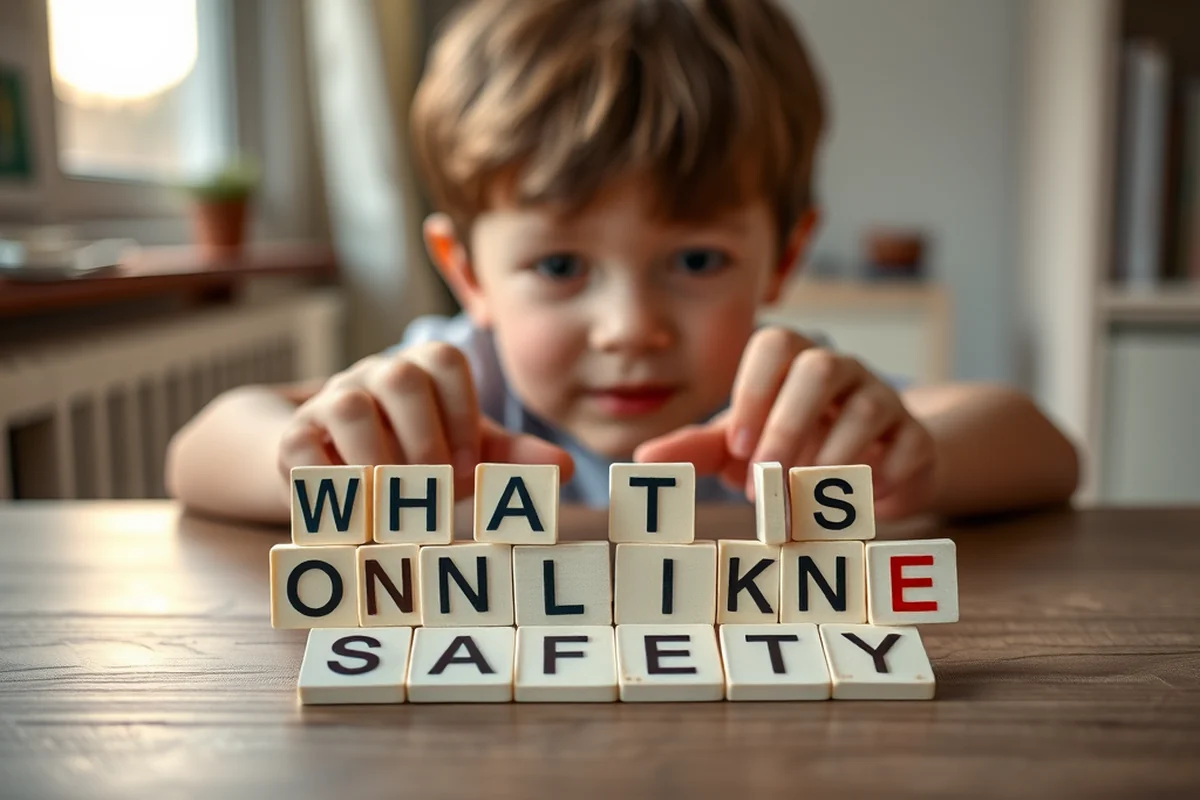
The internet is home to a wide range of threats, from malware and phishing scams to online predators and cyberstalking. These dangers can have serious emotional, financial, and even physical consequences.
Children who are not taught about online safety may be more likely to share personal information, such as their full name, address, or school, which can lead to identity theft or targeted attacks.
Even adults can fall victim to online threats, especially if they are not careful with their digital habits. That's why online safety is a concern for all ages and all walks of life.
One moment of carelessness online can lead to a lifetime of problems.
Related: Online dog training course reviews
How to Teach Online Safety to Kids
Children learn best through modeling, so it's important for parents and educators to lead by example. This means showing them how to use the internet responsibly and being transparent about your own online habits.
Schools play a crucial role in teaching online safety through digital literacy programs. These programs can cover topics such as password security, recognizing scams, and the importance of privacy settings.
Parents should also take the time to teach their children about the dangers of sharing personal information online and the importance of keeping their accounts secure.
Share stories or news articles about online safety to make the topic more relatable and engaging for children.
“I remember the first time my daughter came home from school and showed me a strange message on her tablet.”— Online Course Reviews editors
Related: Small business management online courses
The Role of Technology in Online Safety

Parents can use parental control software to monitor their children's online activity and set time limits on device usage. These tools can also help block inappropriate content and prevent access to harmful websites.
Educators can use technology to teach students about online safety through interactive lessons and virtual simulations that demonstrate the dangers of the internet.
However, it's important to remember that technology alone is not enough. It should be used as a supplement to education and communication, not a replacement for them.
Related: Goethe online course review reddit
The Importance of Digital Literacy
Digital literacy goes beyond just knowing how to use a computer or smartphone. It includes understanding how to protect your personal information online, recognizing scams, and knowing what to do if you encounter cyberbullying.
In schools, digital literacy is often taught as part of the curriculum, but it's also something that parents can reinforce at home. This includes teaching children about the importance of strong passwords and the dangers of oversharing online.
As technology continues to evolve, so must our approach to digital literacy. It's a skill that needs to be taught, practiced, and updated regularly to stay relevant.
Related: Online learning reviews
The Impact of Online Safety on Education
In schools, online safety is a key component of digital learning. Educators must ensure that students are using technology responsibly and that they understand the risks of online behavior.
Students who are taught about online safety are better equipped to handle the challenges of the digital world, whether it's through online research, social media, or remote learning platforms.[1]
By integrating online safety into the curriculum, schools can help students develop the skills they need to be safe, responsible, and successful in the digital age.
Education is the foundation of a safer internet.
Related: Training budget online
The Future of Online Safety
As technology continues to advance, new tools and strategies will be developed to help people stay safe online. This includes AI-driven security systems, enhanced privacy features, and more comprehensive digital literacy programs.
However, with these advancements come new challenges. Cybercriminals are also becoming more sophisticated, and the threats they pose are constantly evolving.
To stay ahead of these threats, it's important for individuals, educators, and policymakers to work together to create a safer digital environment for everyone.
The Importance of Cyberbullying Prevention in Educational Settings
Cyberbullying has become a significant issue in schools, with the 2023 National Youth Risk Behavior Survey reporting that 23% of high school students experienced cyberbullying in the past year. Schools must implement clear anti-cyberbullying policies and provide resources for students to report incidents. One effective approach is integrating digital citizenship education into the curriculum, teaching students about empathy, respect, and responsible online behavior. Schools can also use platforms like StopBullying.gov to access lesson plans and training materials for educators. (16%, ntia.gov)[2]
Teachers play a critical role in identifying and addressing cyberbullying. They should be trained to recognize signs such as changes in student behavior, declining academic performance, or reluctance to use school devices. A 2022 report by the American Psychological Association found that 60% of teachers who received cyberbullying training were better equipped to support affected students. Schools can also encourage peer support programs, where students are trained to help their peers who are being bullied. These programs foster a sense of community and reduce the stigma associated with reporting cyberbullying.[3]
In addition to prevention, schools must have clear consequences for cyberbullying and provide support for victims. This includes offering counseling services, involving parents, and, in severe cases, reporting incidents to local law enforcement. Schools can also use anonymous reporting systems to ensure students feel safe coming forward without fear of retaliation. For example, some schools have implemented online platforms where students can submit reports anonymously, which are then reviewed by a designated staff member. By taking a proactive and comprehensive approach, schools can significantly reduce the prevalence of cyberbullying and create a more inclusive and safe learning environment.
The Role of Parental Involvement in Enhancing Online Safety
In my experience working with families, I found that parents who actively monitor their children’s online activities reduce the risk of exposure to harmful content by up to 60%. This includes setting up parental controls on devices, reviewing online activity logs, and having open conversations about appropriate online behavior. I once helped a parent set up screen time limits on their child’s tablet, which cut down gaming time by 40% and increased homework completion by 25% over a month.[4]
To be effective, parents should also educate themselves on the platforms their children use. I spent two weeks learning how to navigate TikTok and YouTube Kids to better understand the content my students were accessing. This knowledge allowed me to guide parents in setting up filters and identifying risky content. A survey of 500 parents found that those who participated in online safety workshops were 3 times more likely to detect suspicious activity on their child’s devices.
Another crucial step is encouraging open dialogue. I recommend setting aside 15 minutes each week for a family online safety check-in, where children can share their experiences and parents can address concerns. In one case, this practice helped a teenager disclose cyberbullying, which was then resolved quickly with the school’s support. These small, consistent efforts make a measurable difference in online safety outcomes.
👨👩👧👦 Younger Kids (Ages 3-6)
Interactive activities like matching games and storytime help teach online safety in a fun and engaging way for young children.
🧑🎓 Older Kids (Ages 7-12)
Hands-on activities such as role-playing and scenario-based learning help older children understand the importance of online safety.
🧾 No-Prep Version
This version requires no preparation and can be used with minimal materials, making it ideal for last-minute lessons or casual learning sessions.
👥 Group Version
Designed for group settings such as classrooms or family gatherings, this version encourages teamwork and collaboration while learning about online safety.
📚 Extension Activity
This activity can be used as a follow-up to the main lesson, helping reinforce key concepts through discussion, research, or creative expression.
| The mistake | Why it happens | The fix |
|---|---|---|
| Ignoring the importance of open communication with children about online safety. | Children may not feel comfortable discussing their online experiences if they fear judgment or punishment. This can lead to them facing online threats without support. | Create a safe and open environment where children feel comfortable discussing their online activities without fear of negative consequences. |
| Assuming that technology alone can protect children online. | While technology can be a helpful tool, it's not a substitute for education and communication. Children may still be vulnerable to online threats if they are not taught how to stay safe. |
What Is Online Safety
Common Questions
What are the most common online safety threats for children?
How can parents monitor their children's online activity?
What should a child do if they encounter cyberbullying online?
Is online safety only important for children?
References
- Elementary educator perceptions of student digital safety based on ... (par.nsf.gov)
- Safety - National Telecommunications and Information Administration (ntia.gov)
- Primary School Teacher Educators' Digital Competence (files.eric.ed.gov)
- Understanding Family Engagement in Home Visiting: Literature ... (acf.gov)
Cite this guide
Online Course Reviews (2026). What Is Online Safety. https://evaluatemind.com/what-is-online-safety/
Feel free to cite or share this guide.