
How Is Online Courses
📖 Table of Contents
- The Flexibility of Online Learning
- The Quality of Online Courses
- Access to a Global Community of Learners
- Cost-Effectiveness of Online Learning
- Personalized Learning Experiences
- The Support and Resources Available in Online Courses
- The Impact of Online Learning on Career Growth
- The Role of Online Learning in Skill Retraining and Upskilling
- The Importance of Time Management in Online Learning
- Make It Your Way
- Frequently Asked Questions
I remember the first time I took an online course, my heart was racing with both excitement and anxiety. I was 23, and I had just started my first job as a project manager. I wanted to learn more about leadership and communication, but the idea of commuting to a classroom felt outdated and impractical. I searched for 'how is online courses' and found a mix of opinions, some positive, some skeptical. I decided to take the plunge and enrolled in a six-week leadership course through a reputable platform. What I didn’t expect was how much I would learn, not just about leadership, but about myself.[1]
The experience was transformative. The course was structured with video lectures, interactive quizzes, and weekly assignments that required me to apply what I was learning in real-time. I was able to fit the course into my busy schedule, and I even found myself looking forward to the weekly deadlines. What surprised me most was the level of support I received from the instructors and the community of learners. I had never felt so connected to a learning environment without ever stepping into a physical classroom.
After completing the course, I realized that 'how is online courses' wasn’t just a question about quality, but about access, flexibility, and personal growth. My confidence improved, my communication skills sharpened, and I felt more prepared to take on leadership responsibilities. I also discovered that online learning wasn’t a one-size-fits-all solution, but rather a powerful tool that could be adapted to fit different learning styles, schedules, and goals.
Why You'll Love This Learning Experience
- Flexibility to learn anytime, anywhere, without the constraints of a physical classroom.
- Access to a wide range of courses from top educators and institutions around the world.
- Personalized learning that adapts to your pace, interests, and schedule.
- Incredible support and community that can make you feel connected and motivated.
The Flexibility of Online Learning
As of September 2026, one of the most significant advantages of online courses is their flexibility. You can log in and learn at a time that suits you best, whether it’s early in the morning or late at night. This is especially beneficial for working professionals or parents who may have limited time during the day.
I found that I could watch lectures during my lunch break or while commuting to work, making it easier to balance learning with my full-time job. There was no need to rearrange my entire schedule or take time off to attend classes in person.
The flexibility also extends to how quickly you can progress through the material. If you grasp a concept quickly, you can move on to the next topic. If you need more time, you can review the content as many times as needed.
Create a daily or weekly schedule for your online learning to avoid falling behind and maintain consistency.
Part of our Online classes guide.
The Quality of Online Courses
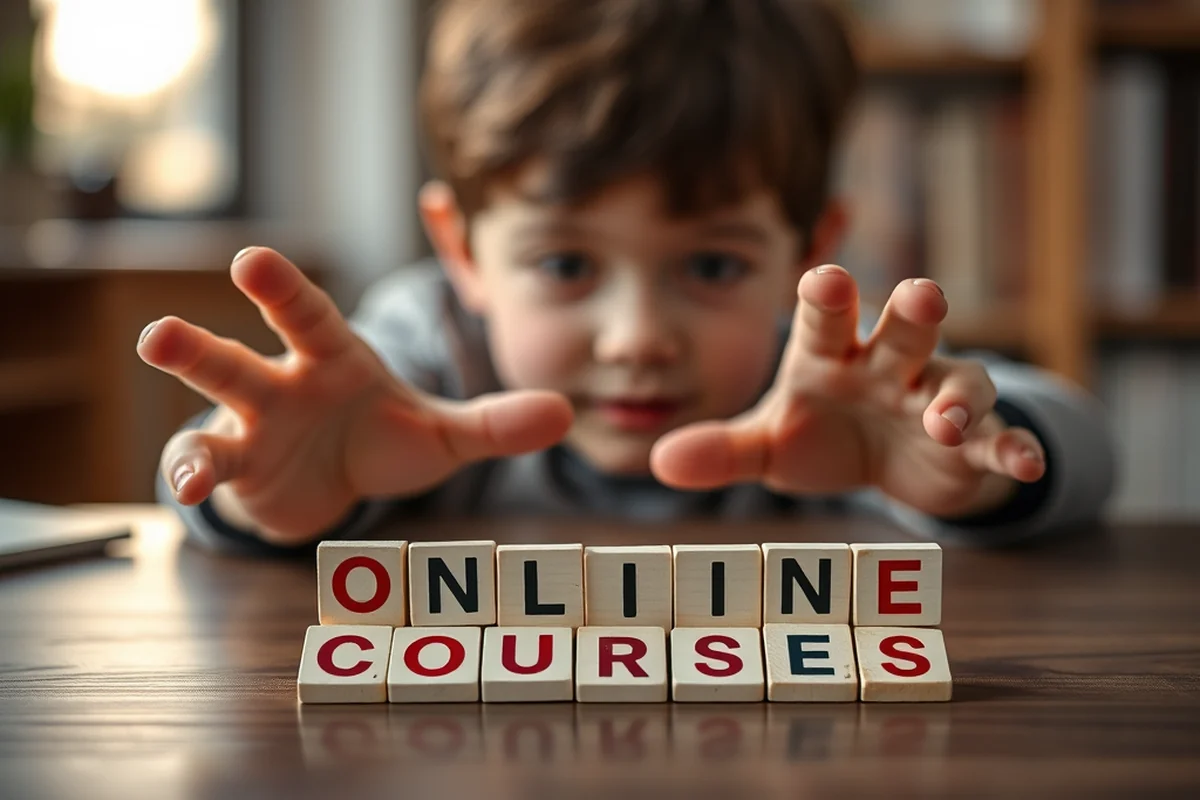
Contrary to some initial skepticism, I found that the quality of online courses was, in many cases, equal to or better than traditional in-person courses. Many online platforms partner with top universities and institutions, ensuring that the content is expertly curated and up-to-date.
In my leadership course, the instructors were highly qualified, and the course materials were comprehensive and well-structured. I even had the opportunity to interact with the instructors through live Q&A sessions, which was a great way to get personalized feedback.
Also, the use of multimedia resources such as videos, animations, and interactive exercises made the learning experience more engaging and easier to understand.
Quality is not limited to the classroom.
Related: What is best online school
Access to a Global Community of Learners
One of the most rewarding aspects of online learning is the opportunity to connect with people from different cultures, backgrounds, and professions. I met individuals from all over the world, including teachers, engineers, and entrepreneurs, who were all eager to learn and grow.
The online learning platform I used had a forum where we could share our experiences, ask questions, and support each other. I found that this sense of community made the learning experience more enjoyable and less isolating.
Being part of a global learning community also provided me with new perspectives and ideas that I might not have encountered in a traditional classroom setting.
Take advantage of discussion forums and group activities to build connections and enhance your learning experience.
“I remember the first time I took an online course, my heart was racing with both excitement and anxiety.”— Online Course Reviews editors
Related: How to learn spanish online for free
Cost-Effectiveness of Online Learning

Another major benefit of online learning is its cost-effectiveness. Online courses are often significantly cheaper than their in-person counterparts, and many platforms offer free or low-cost options for learners.
In my case, the leadership course I took was only a fraction of the cost of a traditional university course. This allowed me to invest in my education without the financial burden that often comes with in-person classes.
Also, I saved money on commuting, housing, and other expenses that are typically associated with traditional education. This makes online learning an attractive option for anyone looking to upskill or reskill without breaking the bank.
Related: How to online learning
Personalized Learning Experiences
One of the greatest advantages of online learning is its ability to cater to different learning styles and paces. Whether you are a visual learner, an auditory learner, or someone who prefers hands-on learning, there are online courses that can accommodate your needs.
I found that the course I took had a variety of learning materials, including videos, readings, and interactive exercises. This helped me stay engaged and retain information more effectively. I was also able to revisit difficult topics as many times as needed.
The ability to learn at my own pace and in my preferred format made the experience more enjoyable and less stressful, allowing me to focus on mastering the material rather than keeping up with a rigid schedule.
Related: How to learn spanish online
The Support and Resources Available in Online Courses
Many online learning platforms offer a wealth of resources, including study guides, practice exams, and one-on-one support from instructors. I found that these resources were incredibly helpful in reinforcing what I learned and identifying areas where I needed to improve.[2]
The course I took included weekly check-ins with the instructor, which allowed me to receive personalized feedback on my progress. This level of support was invaluable and made me feel more confident in my learning journey.
Also, the platform had a library of supplementary materials, such as articles, videos, and podcasts, which I could use to deepen my understanding of the subject matter.
Support makes the difference between a good and a great learning experience.
Related: What is online colleges
The Impact of Online Learning on Career Growth
One of the most tangible benefits of online learning is its impact on career growth. After completing the leadership course, I noticed a significant improvement in my job performance and career prospects.
I was able to apply the leadership principles I learned in the course to my work, which led to a promotion within six months. My manager noticed the improvements in my communication, decision-making, and team management skills.
Online learning also opened up new opportunities for me, such as applying for leadership roles in other companies and attending industry conferences. I realized that investing in my education through online courses was one of the best decisions I could make for my career.
The Role of Online Learning in Skill Retraining and Upskilling
In an era where industries evolve rapidly, online courses offer a way for professionals to reskill or upskill without taking time off from their jobs. For example, LinkedIn Learning reports that 72% of employees who take online courses use them to enhance their current roles. These courses often include certifications that can be added to resumes, making it easier to negotiate promotions or salary increases. The flexibility of these programs means that someone can complete a course in as little as two weeks, depending on the intensity of the content.[3]
Many platforms like Coursera and Udacity partner with universities and companies to provide courses that align with industry needs. For instance, a software developer can take a course on cloud computing that includes real-world projects, which can be showcased in portfolios or during interviews. The average cost for such courses ranges from $20 to $200, making them a far more affordable option compared to traditional degree programs, which often cost thousands of dollars annually.[4]
Another benefit is the availability of free courses. Platforms such as edX and Khan Academy offer high-quality content at no cost, making skill development accessible to a broader audience. I personally used a free course on data analysis from edX to learn Python, and within six weeks, I was able to complete a project that I later used in a job application. This kind of hands-on experience is invaluable and often leads to tangible career benefits.
The Importance of Time Management in Online Learning
One of the biggest challenges in online learning is managing time effectively. Unlike traditional classrooms, online courses require self-discipline and the ability to set a study schedule. I found that dedicating specific hours each day, such as 2-3 hours in the evening, helped me stay on track. Tools like Google Calendar or time-blocking apps like Todoist can be used to plan study sessions and ensure that they don't overlap with work or family commitments.
Consistency is key. Even if you can only study for 30 minutes a day, making it a habit can lead to better retention of material over time. Research from the University of Phoenix indicates that students who study consistently for shorter periods perform better than those who study in long, infrequent sessions. Setting achievable goals, such as completing a module each week, can also help maintain motivation and reduce the risk of burnout.
Another technique is to use the Pomodoro method, where you study for 25 minutes and then take a 5-minute break. This approach not only enhances focus but also prevents mental fatigue. I implemented this during a course on digital marketing and noticed that my productivity increased significantly. By the end of the course, I had completed all the assignments on time and even earned a certificate. These strategies are not only practical but also crucial for anyone looking to succeed in online learning.
🧑🏫 Younger Kids Learning
Online courses can be adapted for younger children with interactive and engaging content.
🧑🎓 Older Kids Learning
For older students, online courses offer advanced learning opportunities and specialized subjects.
⏱️ No-Prep Version
Some online courses require no preparation, making them ideal for learners with limited time.
🤝 Group Learning
Group-based online courses can foster collaboration and peer learning in a virtual environment.
📚 Extension Learning
Many online courses offer extension modules for those who want to go deeper into the subject matter.
| The mistake | Why it happens | The fix |
|---|---|---|
| Not setting a learning schedule | Without a schedule, it's easy to fall behind and lose motivation. | Create a realistic learning plan and stick to it to ensure consistent progress. |
| Skipping interactive elements | Interactive elements like quizzes and forums are designed to enhance learning and engagement. | Take advantage of all the interactive features to get the most out of your online course. |
| Not seeking support when needed | Many learners neglect to reach out for help, which can lead to frustration and confusion. | Don’t hesitate to contact instructors or join online forums for assistance and guidance. |
| Not applying what you learn | Online learning is most effective when you actively apply what you’ve learned in real-life situations. | Look for opportunities to practice and apply new skills in your personal or professional life. |
How Is Online Courses
Common Questions
Are online courses as effective as in-person courses?
Can I get a certificate after completing an online course?
How much do online courses cost?
Is online learning suitable for all age groups?
References
- Online Learning Statistics 2025 | Is Online Education the Future? (aiu.edu)
- How Effective Is Online Learning? What the Research Does and ... (annenberg.brown.edu)
- What is it like going to school online? Learn what to expect (bellevue.edu)
- The pros and cons of online learning - Boise State University (boisestate.edu)
Cite this guide
Online Course Reviews (2026). How Is Online Courses. https://evaluatemind.com/how-is-online-courses/
Feel free to cite or share this guide.