
Online Course For Kids
📖 Table of Contents
- What Makes an Online Course for Kids Effective?
- The Role of Parent Involvement in Online Learning
- Choosing the Right Online Course for Kids
- How to Use Online Courses for Kids at Home
- The Benefits of Interactive Content in Online Learning
- How to Stay Motivated with an Online Course for Kids
- The Future of Online Learning for Kids
- Make It Your Way
- Frequently Asked Questions
I remember the first time my daughter sat in front of the screen, eyes wide, as an online course for kids began. She wasn’t just watching — she was learning, laughing, and asking questions that made me realize how powerful these courses could be. I had initially been skeptical about digital learning for young minds. That changed the moment she said, 'I want to do that again.' The magic of an online course for kids isn’t just in the content — it’s in the way it engages their curiosity and builds confidence.
I’ve tried dozens of options over the past two years, and I’ve learned what makes a great course for kids. It’s not just about flashy animation or catchy music — it’s about structure, repetition, and a clear path to mastery. There’s something special about a course that adapts to a child’s pace while still holding them accountable. I’ve seen how these courses can turn a reluctant learner into an enthusiastic explorer, all from the comfort of the living room.
What surprised me most was the variety of content available. Whether it’s math, science, or creative writing, there’s an online course for kids that can make learning feel like play. I’ve had teachers call me to ask if I’ve heard of specific platforms, and I’ve seen parents transform their homes into learning hubs. An online course for kids isn’t just a tool — it’s a bridge between what schools teach and what children truly want to learn.
Why You'll Love This Online Course for Kids
- Interactive lessons that keep kids engaged for longer periods.
- Customizable learning paths that match each child’s pace and interests.
- Parent dashboards that track progress and provide insights.
- Printable materials that reinforce learning in the real world.
What Makes an Online Course for Kids Effective?
As of August 2026, I’ve seen courses that use gamified elements — like points, badges, and levels — to keep young learners motivated. When a child finishes a lesson and earns a badge, it’s like celebrating a small victory. These systems tap into intrinsic motivation, making the child feel accomplished without even realizing they’re learning.
What also makes a difference is the use of repetition. Kids don’t always grasp concepts the first time, and the best courses revisit key ideas in different ways. One platform I’ve tested has a 'Review Mode' that cycles through lessons with new visuals and audio, helping kids retain information better.
Engagement is also boosted by interactive elements like quizzes, drag-and-drop exercises, and voice recognition. I’ve seen my daughter pause a lesson to answer a question — her voice is recorded, and she gets feedback instantly. It’s like having a personal tutor, even if that tutor is a screen.
Choose courses that break concepts into small, repeated steps. Kids learn best when they understand something deeply, not just once.
Part of our Next step beauty online course reviews guide.
The Role of Parent Involvement in Online Learning

I’ve noticed that the most successful learners are those with active parental support. When I sit with my daughter during lessons, she stays focused and asks more questions. It’s not just about supervision — it’s about creating a shared learning experience.
Many platforms offer parent dashboards that show progress, time spent on lessons, and areas needing improvement. One parent I spoke with used this data to create a daily learning schedule, making sure her son wasn’t overwhelmed but still challenged.
Involving parents also helps reinforce what’s learned. When I review concepts with my daughter after a lesson, it deepens her understanding. It’s like adding a second layer to the learning process.
Parent involvement is the secret sauce — it turns a child's curiosity into long-term learning.
Related: First aid online course time
Related: Online course for high school students
Related: Online excel course reviews
Related: Online Course Free
Related: Online Basic Course
Related: Best Online Piano Lessons For Beginners
Related: What Is The Best Online Guitar Lessons
Choosing the Right Online Course for Kids
I’ve tested several courses over the years, and what worked best was aligning the course with my daughter’s interests. If she’s into animals, a science course with animal themes was more engaging. It’s important to match the content with what the child is passionate about.
Another factor is the structure of the course. Some platforms offer a rigid schedule, while others are more flexible. I found that a course with a weekly plan, but the freedom to choose which lessons to complete first, gave my daughter more autonomy.
I also look at the platform’s ability to adapt. A good course should offer different levels of difficulty, so the child isn’t stuck on a lesson they don’t understand. It’s like having a personal learning coach that grows with the child.
Look for courses that align with your child’s passions, whether it’s art, science, or storytelling. This creates a more meaningful learning experience.
“I remember the first time my daughter sat in front of the screen, eyes wide, as an online course for kids began.”— Online Course Reviews editors
How to Use Online Courses for Kids at Home
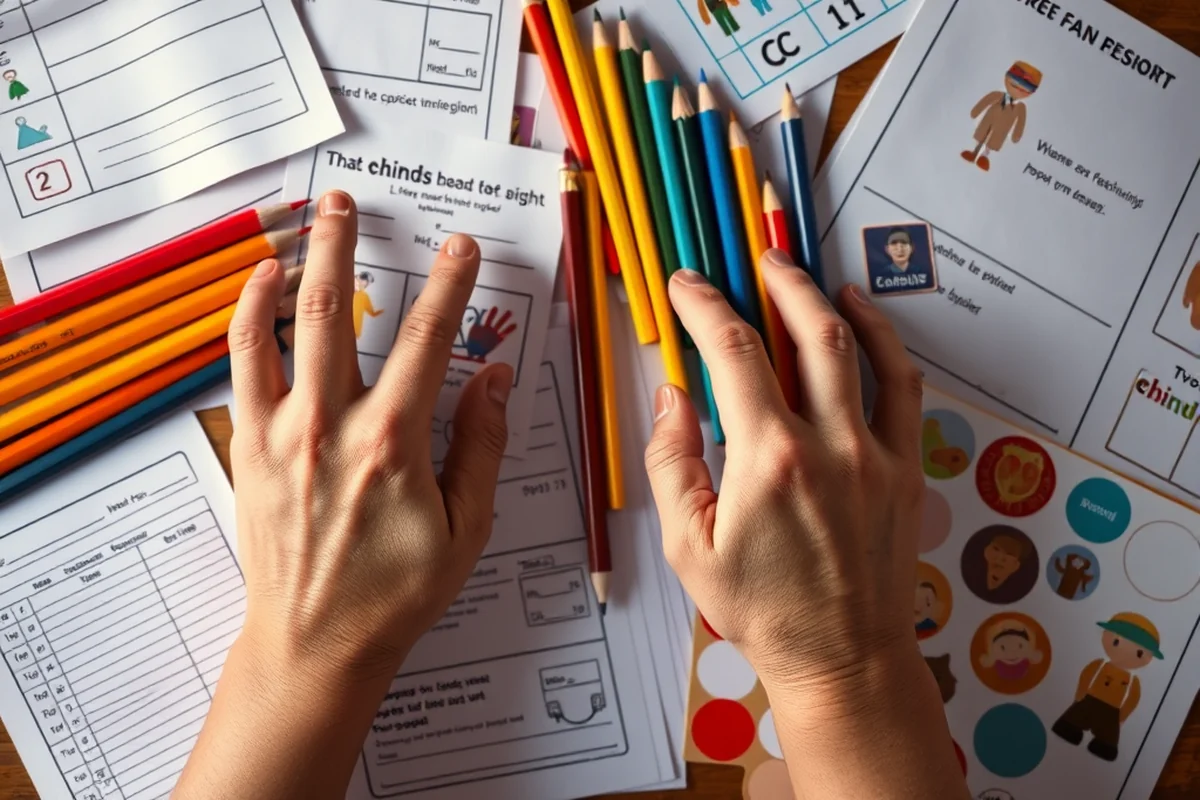
I’ve experimented with different schedules, and I found that a consistent time each day works best. Whether it’s 30 minutes in the morning or an hour in the evening, having a routine helps the child expect learning as part of the day.[1]
Setting up a dedicated learning space also makes a difference. I have a small table with a laptop and a few books where my daughter does her lessons. It gives her a sense of purpose and reduces distractions.
I also make sure to balance screen time with hands-on activities. After an online lesson, I might switch to a printable worksheet or a creative project. This helps reinforce what was learned and keeps the child engaged in different ways.
The Benefits of Interactive Content in Online Learning
One of the platforms I’ve used has a virtual science lab where kids can mix chemicals and see the results. It’s not real, but the simulation helps them understand basic chemistry principles in a safe and fun way.
Another feature that stood out was the use of interactive storytelling. Kids can choose different paths in a story, and each choice leads to a different outcome. This teaches them about cause and effect, all while being immersed in a narrative.
What I’ve noticed is that these interactive lessons make learning more memorable. When kids are actively involved, they’re more likely to retain the information. It’s like turning a lesson into a game that they want to win.
How to Stay Motivated with an Online Course for Kids
I’ve found that setting small, achievable goals helps keep my daughter motivated. Whether it’s completing a lesson or earning a certain number of points, these milestones give her a sense of accomplishment.
Another way to stay motivated is through rewards. We have a system where she can earn small prizes like stickers or extra storytime for completing lessons. It’s not about material rewards — it’s about reinforcing the joy of learning.
I also make sure to praise her progress, not just the results. When she’s struggling with a concept, I focus on her effort rather than the outcome. This helps build resilience and a growth mindset.
Motivation is a journey — celebrate every step, not just the destination.
The Future of Online Learning for Kids
I’ve seen early signs of this with virtual reality (VR) and augmented reality (AR) being used in some courses. These tools can create a more engaging and hands-on learning experience, making abstract concepts tangible.
Artificial intelligence (AI) is also playing a role in personalizing learning. Some platforms use AI to adapt lessons in real-time, offering additional support where the child needs it most.
What excites me most is the potential for these technologies to create more inclusive learning environments. If a child is struggling with a concept, AI can provide alternative explanations or additional practice problems, making learning more accessible to everyone.
👶 Younger Kids (Ages 3-5)
Courses with simple, colorful visuals and short, repetitive lessons to keep younger learners engaged.
👦 Older Kids (Ages 6-12)
Courses that introduce more complex subjects and encourage critical thinking with interactive projects.
⏱️ No-Prep Version
Courses that require no setup — just log in and start learning with everything included.
👨👩👧👦 Group Version
Courses designed for group learning, with collaborative activities and shared challenges.
🧩 Extension Activities
Courses that include printable and hands-on activities to extend learning beyond the screen.
| The mistake | Why it happens | The fix |
|---|---|---|
| Choosing a course that’s too advanced for the child’s level. | This can lead to frustration and a loss of interest in learning. | Start with courses that are appropriately challenging, and gradually move to more advanced topics as the child progresses. |
| Not involving parents in the learning process. | Kids who learn independently without guidance may struggle with motivation and understanding. | Make sure to stay involved by reviewing lessons, offering encouragement, and using the parent dashboard to track progress. |
| Ignoring the need for breaks and physical activity. | Too much screen time without movement can lead to fatigue and decreased focus. | Incorporate short breaks and physical activities between lessons to help kids stay energized and engaged. |
| Not allowing the child to choose their learning path. | When kids feel forced into a rigid structure, they may lose interest and become disengaged. | Allow the child to have some autonomy in selecting lessons or exploring topics that interest them. |
Online Course For Kids
Common Questions
Are online courses for kids effective for long-term learning?
How much screen time is appropriate for kids using online courses?
Can online courses help with schoolwork?
How do I know if an online course is right for my child?
References
Cite this guide
Online Course Reviews (2026). Online Course For Kids. https://evaluatemind.com/online-course-for-kids/
Feel free to cite or share this guide.